

Are you eager to kickstart your tomato garden in Kentucky but unsure about the best time to plant those juicy red fruits? Picture this: it’s a sunny day, and you’re envisioning a bountiful harvest of homegrown tomatoes. But when should you actually get your hands dirty and start planting?
Timing is key when it comes to growing tomatoes in Kentucky. In this article, we’ll guide you on the optimal planting schedule tailored specifically for the Bluegrass State. By knowing the ideal timing for planting tomatoes, you can maximize your chances of a successful yield and enjoy plump, flavorful tomatoes all season long.
Key Takeaways
- Understand the Kentucky climate for tomato planting to optimize growth and yield.
- Be aware of the benefits and challenges associated with planting tomatoes in Kentucky for informed decisions.
- Plant tomatoes in Kentucky after the last frost date, typically around mid-to-late May, for successful development throughout the season.
- Choose appropriate tomato varieties like “Better Boy,” “Celebrity,” or “Cherokee Purple” suited to Kentucky’s conditions.
- Prepare soil with proper pH levels and nutrients, incorporating organic matter like compost or manure for healthy plant growth.
- Care for tomato plants by maintaining proper watering practices, controlling weeds, and protecting them from pests and diseases to ensure a bountiful harvest.
Understanding the Kentucky Climate for Tomato Planting
When it comes to planting tomatoes in Kentucky, understanding the local climate is crucial. Here’s what you need to know:
Benefits of Planting at the Right Time
Planting your tomatoes at the optimal time in Kentucky offers several advantages:
- Extended Growing Season: By planting at the right time, you can maximize your tomato plant’s growth potential and enjoy a longer harvesting period.
- Better Yield: Timely planting increases the chances of a bountiful harvest with plump, juicy tomatoes.
- Disease Prevention: Starting at the correct time helps reduce susceptibility to common tomato diseases prevalent in Kentucky.
Challenges of Kentucky Weather
Kentucky weather can pose challenges for tomato growers:
- Frequent Temperature Variations: The fluctuating temperatures in Kentucky can stress tomato plants, affecting their growth and fruit development.
- Humidity Issues: High humidity levels in Kentucky can create a favorable environment for fungal diseases that may impact tomato plants.
- Unpredictable Rainfall: Erratic rainfall patterns in Kentucky can lead to overwatering or underwatering issues for tomatoes.
By being aware of both the benefits and challenges associated with planting tomatoes in Kentucky, you can make informed decisions to optimize your tomato-growing experience.
The Best Time to Plant Tomatoes in Kentucky
When it comes to planting tomatoes in Kentucky, timing is crucial for a successful harvest. Here’s a breakdown of the best time to plant your tomatoes to maximize growth and yield.
Recommended Products
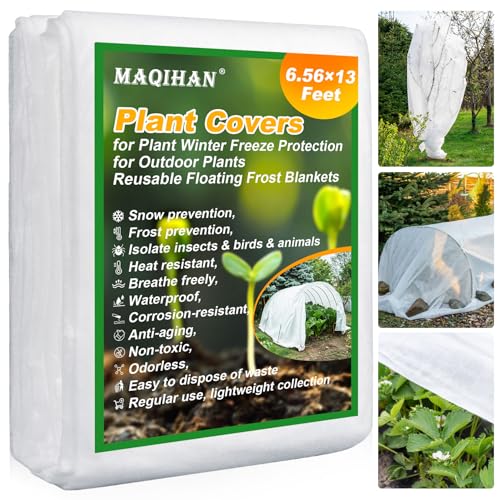
Product Features: Our plant covers are ideal for protecting all plant. Made from premium 1 oz/sq non-woven fabric, their durability and breathability ensuring both insulation against frost and facilitation of sunlight penetration for healthy plant growth

THICKER MATERIAL: Our plant freeze protection cover is made of UV stabilized polypropylene. Upgraded thicker 0.9oz./sq.yard lightweight but durable. Soft plant covers are friendly and no harm to your plants. Breathable non-woven fabric allow light, air go through the frost cloths and reach the plants.
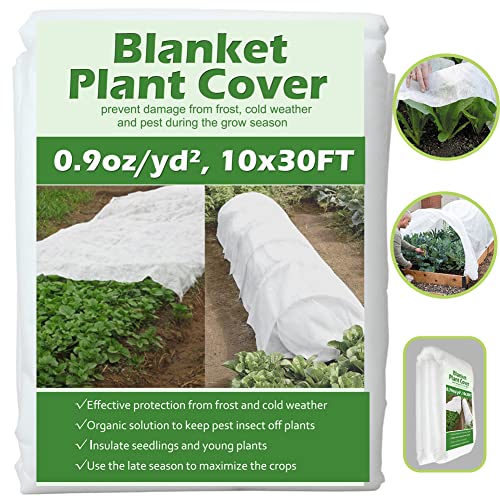
※Big Size to cover large area : The size of our plant cover is 10x30ft, the size can cover large areas. You can cut the plant covers freeze protection into different sizes for different use. You can cover it over the plant such as shrub tomato, pepper, pumpkin, and so on.
Early Planting: Risks and Rewards
Starting your tomato plants early in Kentucky can have both risks and rewards. While early planting may lead to an extended growing season and earlier harvest, it also exposes the plants to potential frost damage due to the state’s unpredictable spring weather. To mitigate these risks, consider using protective coverings like row covers or Wall O’ Water for your young tomato plants if you decide on early planting.
Ideal Planting Windows
In Kentucky, the ideal time for planting tomatoes is after the last frost date, typically around mid-to-late May. This timeline allows the soil to warm up adequately for optimal seed germination and plant growth while reducing the risk of cold snaps that can harm tender tomato seedlings. By waiting until after the last frost date, you set your tomato plants up for success by providing them with a favorable environment for healthy development throughout the growing season.
By following these guidelines on when to plant tomatoes in Kentucky, you can enhance your gardening experience and increase your chances of a bountiful tomato harvest.
Preparing for Tomato Planting
To ensure a successful tomato harvest in Kentucky, here are essential steps to prepare for planting.
Recommended Products

Quick, at home results for Soil pH, Nitrogen, Phosphorous and Potash Innovative and inexpensive soil test kit features an easy-to-use capsule system and patented color comparators

Kindly NOTE: This soil tester can not be applied to test pH value of any other liquid. If the soil is too dry the indicator will not move, and water it before testing.

Accurate Soil pH Testing: Dewildetradingco Soil pH Test Strips offer measurements of soil pH levels (pH 3.5-9). As an essential tool for every gardener and grower, these test strips help determine the optimal pH for various plants, such as outdoor plants, indoor plants, gardens, grass lawns, fruit trees, flowers, vegetables, and forest shrubs.
Choosing the Right Tomato Varieties
Selecting the appropriate tomato varieties is crucial for a thriving garden. Opt for cultivars that are well-suited to Kentucky’s climate and growing conditions. Popular choices like “Better Boy,” “Celebrity,” or “Cherokee Purple” perform well in the region. Consider factors such as disease resistance, fruit size, and flavor profiles when making your selection.
Soil Preparation and Fertilization
Proper soil preparation sets the foundation for healthy tomato plants. Before planting, test your soil to determine its pH levels and nutrient content. Aim for a slightly acidic soil pH of around 6.0 to 6.8 for optimal growth. Incorporate organic matter like compost or well-rotted manure into the soil to improve its structure and fertility.
When fertilizing, use a balanced fertilizer with equal parts nitrogen, phosphorus, and potassium (N-P-K). Apply fertilizer based on soil test recommendations or general guidelines for tomatoes. Avoid over-fertilizing as it can lead to excessive foliage growth at the expense of fruit production.
By following these steps, you’ll be well-prepared to plant tomatoes in Kentucky successfully.
Care and Maintenance Tips for Tomatoes in Kentucky
When it comes to caring for your tomato plants in Kentucky, following these essential tips will help ensure a successful harvest.
Recommended Products

1. Package Include:You will get 12 pcs plant support stakes, size measure 6.25"W X 9.8"H.Sufficient quantities to meet your needs

【New generation Plant Support Cage】Different from other tomato trellis, LOMNYIY tomato support cage have the newest plug-in connection, and unique double-layer metal tube built-in interface design to stay together tighter and more stable. And the poles are very hard with a metal core, yet are coated entirely in plastic to keep them from rusting, and the heat dissipation is good. It means strong durable performance can hold up in the wind with heavy tomato plants in them.

Plant Support Function: These Tomato Support Clips are designed to secure tomatoes on trusses helping guide plant growth and improve stability in garden cultivation
Watering and Weed Control
To keep your tomatoes healthy and thriving, it’s crucial to maintain proper watering practices. Ensure that your plants receive about 1-1.5 inches of water per week, either through rainfall or irrigation. Water deeply at the base of the plants to encourage strong root development.
Weeds can compete with your tomato plants for nutrients and water, so regular weeding is important. Mulching around the base of the plants can help suppress weed growth while retaining soil moisture. Be diligent in keeping the area around your tomato plants weed-free to promote optimal growth.
Protecting Plants from Pests and Diseases
Tomatoes are susceptible to various pests and diseases that can harm or even destroy your crop if left unchecked. Inspect your plants regularly for signs of common issues such as aphids, hornworms, blight, or wilts.
Consider using natural remedies like neem oil or insecticidal soap to combat pest infestations without harming beneficial insects. Additionally, practicing crop rotation each year can help reduce disease pressure by preventing pathogens from building up in the soil.
By staying vigilant and implementing proactive measures to protect your tomato plants from pests and diseases, you can maximize their growth potential and enjoy a plentiful harvest come harvest time.
Conclusion
Now that you have a clearer understanding of the timing and preparations needed for planting tomatoes in Kentucky, you are well-equipped to embark on a successful gardening journey. By selecting the right varieties, testing soil pH levels, and implementing proper care techniques like watering deeply and using mulch, you can set yourself up for a bountiful harvest. Remember to stay vigilant against pests and diseases by inspecting your plants regularly and practicing preventive measures. With these guidelines in mind, your tomato plants are sure to thrive in the unique climate of Kentucky. Happy planting and may your garden be filled with juicy tomatoes!
Frequently Asked Questions
When is the best time to plant tomatoes in Kentucky?
The best time to plant tomatoes in Kentucky is after the last frost date, typically around mid-May.
What are some suitable tomato varieties for planting in Kentucky?
Some suitable tomato varieties for planting in Kentucky include “Better Boy” and “Cherokee Purple.”
How should I prepare the soil before planting tomatoes?
Before planting tomatoes, test soil pH levels, add organic matter like compost, and use balanced fertilizers to prepare the soil.
How should I care for tomato plants in Kentucky?
Care for tomato plants by watering deeply but infrequently, weeding regularly, using mulch, and inspecting for pests and diseases.
What pest management strategies can I use for my tomato plants in Kentucky?
For pest management on tomato plants in Kentucky, inspect regularly for aphids and blight, use natural remedies like neem oil or soap spray, and practice crop rotation.
