

Have you ever wondered what happens to tomato plants after they’ve produced fruit? Picture this: you’ve nurtured your tomato plant, eagerly waiting for those vibrant red tomatoes to ripen. But once the harvest is over, do the plants simply wither away? In this article, we’ll explore the fate of tomato plants post-fruiting.
You’re not alone if you’ve pondered whether tomato plants die off after yielding their bounty. Understanding the life cycle of these garden favorites can help you plan your gardening efforts more effectively. Stay tuned as we uncover what actually occurs to tomato plants once they’ve completed their fruiting stage.
Discovering the truth about what happens to tomato plants after bearing fruit can provide valuable insights for any gardener looking to optimize their plant care practices. Let’s delve into this intriguing aspect of tomato plant biology together.
Key Takeaways
- Tomato plants are typically considered annuals, completing their lifecycle within a single growing season.
- Factors like variety, environmental conditions, disease resistance, pruning, and soil quality can impact the longevity of tomato plants post-fruiting.
- Providing proper care such as pruning, support, watering, fertilization, pest control, soil preparation, and variety selection can help maintain tomato plants’ health and productivity.
- Contrary to common myths, tomato plants can be perennials in tropical regions with proper care and maintenance for continued growth and fruit production.
Understanding the Tomato Plant Lifecycle
Tomato plants go through distinct growth phases that culminate in fruiting, offering a bounty of delicious tomatoes for your enjoyment. Understanding these stages is crucial for successful gardening and maximizing plant productivity.
Growth Phases of Tomato Plants
Tomato plants progress through several key growth phases during their lifecycle:
- Seed Germination: This initial stage marks the beginning of a tomato plant’s life, where the seed sprouts and develops into a seedling.
- Vegetative Growth: During this phase, the plant focuses on leaf and stem development to support future fruit production.
- Flowering Stage: As the plant matures, it transitions to producing flowers necessary for pollination and fruit formation.
- Fruiting Phase: The highlight of the tomato plant’s lifecycle is the fruiting stage, where flowers develop into ripe tomatoes ready for harvest.
- Fruit Development: After successful pollination, flowers transform into green fruits that gradually ripen into red, yellow, or other colored tomatoes depending on the variety.
- Nutrient Utilization: The plant channels its energy towards fruit development by utilizing nutrients absorbed from soil and sunlight captured through photosynthesis.
- Continuous Care: Proper watering, fertilization, and pest control are essential during this stage to ensure healthy fruit growth and minimize risks of diseases.
By recognizing these growth phases and understanding what occurs during each stage of a tomato plant’s lifecycle, you can effectively care for your plants post-fruiting period to promote long-term health and productivity in your garden.
Do Tomato Plants Die After Fruiting?
After tomatoes have been harvested, you may wonder if the plant will continue to thrive or if its life cycle is nearing its end. Let’s explore what typically happens next.
Annual vs. Perennial Perspectives
Tomato plants are considered annuals in most regions, meaning they complete their life cycle within a single growing season. Once they have fruited and the harvest is over, these plants usually start to decline and eventually die off.
In contrast, some gardeners manage to keep tomato plants alive for multiple years by overwintering them indoors or in a greenhouse. With proper care and attention, these plants can survive longer than typical annuals.
Factors That Impact Tomato Plant Longevity
Several factors play a role in determining how long a tomato plant can live post-fruiting:
- Variety: Certain tomato varieties are more resilient and long-lived than others.
- Environmental Conditions: Adequate sunlight, water, nutrients, and temperature control can extend a plant’s lifespan.
- Disease Resistance: Plants that resist common diseases are more likely to survive longer.
- Pruning and Maintenance: Regular pruning and maintenance practices can promote plant health and longevity.
- Soil Quality: Rich, well-draining soil provides essential nutrients for sustained growth.
By considering these factors and providing optimal care tailored to your specific tomato plant variety, you may be able to prolong its life beyond the usual growing season.
Caring for Tomato Plants Post-Fruiting
After your tomato plants have finished fruiting, it’s crucial to provide them with the proper care to ensure their long-term health and potential for future harvests. Here are some essential tips to help you maintain your tomato plants post-fruiting:
Recommended Products

ORGANIC PLANT FOOD: This liquid fertilizer for tomatoes & vegetables provides nutrients to ensure superior results.

Contains natural ingredients to feed microbes in the soil
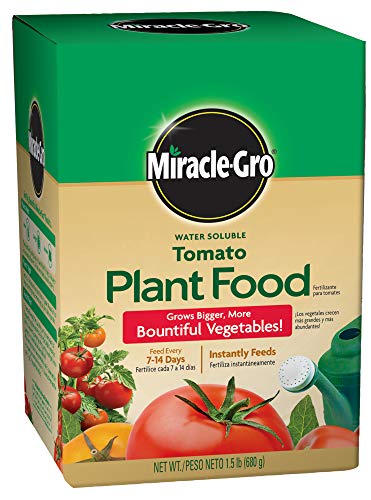
Instantly feeds to grow bigger, more bountiful vegetables versus. unfed plants
Pruning and Maintenance Tips
- Trimming:
- Trim off any yellow or diseased leaves to prevent the spread of diseases and promote healthy growth.
- Remove any additional stems or branches that may hinder airflow or sunlight penetration.
- Support:
- If you haven’t already, install stakes or cages to support the plant as it continues to grow.
- Proper support prevents the plant from bending under the weight of new fruit.
- Watering:
- Continue watering your tomato plants regularly but avoid overwatering, which can lead to root rot.
- Ensure adequate drainage in the soil to prevent waterlogging.
- Fertilization:
- Consider feeding your plants with a balanced fertilizer high in potassium to support fruit development.
- Follow recommended dosages on fertilizer labels for best results.
- Pest Control:
- Keep an eye out for common pests like aphids, caterpillars, and whiteflies post-fruiting.
- Use organic pest control methods if needed to protect your plants without harmful chemicals.
- Soil Preparation:
- Before planting new crops, enrich the soil with compost or organic matter to replenish nutrients.
- Test the pH levels of the soil and adjust if necessary for optimal growing conditions.
- Rotation:
- Rotate where you plant your tomatoes each year to reduce disease buildup in the soil.
- Avoid planting tomatoes in areas where related crops were grown recently.
- Variety Selection:
- Choose tomato varieties known for disease resistance and high yields for a successful next harvest.
- Consider trying different types of tomatoes each season for variety in flavor and size.
By following these pruning, maintenance, and preparation tips after your tomato plants have fruited, you can help them stay healthy and productive throughout their lifecycle while setting yourself up for success in future growing seasons.
Common Myths About Tomato Plants
Let’s debunk some common myths surrounding tomato plants to help you better understand how to care for them effectively.
Myth 1: Tomato Plants Die After Fruiting
- Contrary to popular belief, tomato plants are actually perennials in their native tropical regions. While they may decline in production after a season, with proper care and maintenance, they can continue to grow and produce fruit for multiple years.
Myth 2: Pruning Tomato Plants is Harmful
- Pruning tomato plants can be beneficial as it helps improve air circulation, reduce disease risk, and promote better fruit development. However, excessive pruning or incorrect techniques can indeed harm the plant. It’s essential to prune selectively and follow best practices for optimal plant health.
Myth 3: Overwatering Tomatoes Leads to Better Growth
- Overwatering tomato plants can actually do more harm than good. Excess water in the soil can lead to root rot, nutrient leaching, and overall stress on the plant. It’s crucial to maintain a balanced watering schedule based on the plant’s needs and environmental conditions.
- While most tomato varieties thrive in full sun conditions, some cultivars can tolerate partial shade. Understanding the sunlight requirements of your specific tomato variety is key to ensuring healthy growth and abundant fruit production.
By dispelling these myths and understanding the true needs of tomato plants, you’ll be better equipped to nurture your plants for long-term success.
Conclusion
You now have a deeper understanding of tomato plants’ lifecycle and how to care for them throughout their growth stages. Remember, tomato plants are perennials, meaning they can continue producing fruit season after season with proper care. By following the tips on pruning, support, watering, fertilization, pest control, soil preparation, rotation, and variety selection mentioned in this article, you can ensure your tomato plants thrive. Don’t be discouraged by common myths about tomato plants; instead, focus on providing them with the right conditions to flourish. With the knowledge gained here about sunlight requirements for different varieties and debunked misconceptions about overwatering and plant lifespan after fruiting, you’re well-equipped to cultivate healthy and productive tomato plants in your garden. Happy gardening!
Frequently Asked Questions
Q: What are the key growth stages of tomato plants?
A: Tomato plants go through several growth stages, starting with seed germination, followed by seedling development, flowering, fruiting, and finally post-fruiting care.
Q: How can pruning benefit tomato plants?
A: Pruning helps improve air circulation and sunlight exposure to lower leaves, reducing disease risk and promoting better fruit production.
Q: Why is soil preparation important for growing tomatoes?
A: Soil preparation ensures proper drainage, nutrient availability, and root development essential for healthy tomato plant growth.
Q: How often should I water my tomato plants?
A: Water tomato plants consistently to keep the soil moist but not waterlogged. Typically, they need about 1-2 inches of water per week.
Q: What are some common pests that affect tomato plants?
A: Common pests include aphids, hornworms, whiteflies, and spider mites. Regular inspection and early intervention are crucial for pest control.
Q: Can overwatering harm tomato plants?
A: Yes, overwatering can lead to root rot and other issues that may harm the health of tomato plants. It’s important to maintain proper watering practices.
Q: Do all tomato plant varieties require the same amount of sunlight?
A: No, different tomato varieties have varying sunlight requirements. Some need full sun exposure while others can thrive in partial shade. Understanding these needs is vital for successful cultivation.
