

Ever wondered if cooking broccoli removes its nutrients? Picture this: you’re in the kitchen, preparing a healthy meal, and you start to question whether your cooking methods are impacting the nutritional value of your veggies. Well, you’re not alone in this dilemma.
Understanding the Nutritional Value of Broccoli
To fully grasp the impact of cooking methods on broccoli’s nutrients, it’s essential to understand the vegetable’s composition and nutritional benefits:
- Rich in Vitamin C: Broccoli is a powerhouse of Vitamin C, an essential nutrient that supports the immune system and skin health.
- High in Fiber: This vegetable is packed with fiber, aiding digestion and promoting a healthy gut.
- Abundant in Antioxidants: Broccoli contains antioxidants like vitamin A, vitamin E, and flavonoids, which help fight inflammation and oxidative stress in the body.
Cooking broccoli can indeed lead to nutrient loss due to exposure to heat and water. However, not all cooking methods affect its nutritional value in the same way. For example:
- Steaming: Steaming broccoli helps retain more nutrients compared to boiling, as it minimizes direct contact with water.
- Microwaving: Microwaving broccoli quickly cooks it, preserving more nutrients than boiling or frying.
By understanding the nutritional components of broccoli and how different cooking methods impact them, you can make informed decisions on how to prepare this nutrient-dense vegetable while maintaining its health benefits.
Recommended Products

BPA-Free Silicone Steamer Basket with Lid:This AODISTUCE microwave steamer is made from premium food-grade, BPA-free silicone and withstands high temperature up to 446°F/230°C. Designed for safe microwave cooking, it won’t melt or release harmful chemicals like plastic steamers. A safer, reusable, and eco-friendly solution for healthy everyday meals

Microwave steamer makes healthy meals in minutes

Contains (1) PrepSolutions Mini Microwave Steamer in Gray. Perfect as a holiday gift!
Effects of Cooking on Broccoli’s Nutrients
When cooking broccoli, it’s important to consider the impact on its nutrient content. Here’s how different cooking methods can affect the nutritional value of this powerhouse vegetable:
- Steaming: Preserves the most nutrients.
- Microwaving: Retains a good amount of nutrients.
- Boiling: Leaches some vitamins into the water.
- Frying: Results in significant nutrient loss.
Remember, to make the most of your broccoli’s health benefits, opt for steaming or microwaving over boiling or frying.
Steaming vs. Boiling Broccoli: Which is Better?
When it comes to cooking broccoli while aiming to retain nutrients, the method you choose can make a significant difference. Here’s a breakdown comparing steaming and boiling:
Steaming:
- Retains more nutrients than boiling.
- Helps preserve the vitamins and minerals in broccoli.
- Recommended for maximizing nutritional benefits.
- May result in nutrient loss due to leaching into the water.
- Can still be a valid cooking method if you consume the cooking water as well.
- Be mindful of cooking time to minimize nutrient loss.
Both steaming and boiling are viable options for cooking broccoli, but steaming tends to preserve more nutrients due to its gentler cooking process. Try experimenting with both methods and see which one you prefer for maximizing the nutritional value of your broccoli dishes.
Recommended Products

[PREMIUM QUALITY MATERIAL] - The foldable steamer basket is made of food grade stainless steel, which is rustproof, harmless and durable. The holes on steamer basket are for easy steaming and draining.
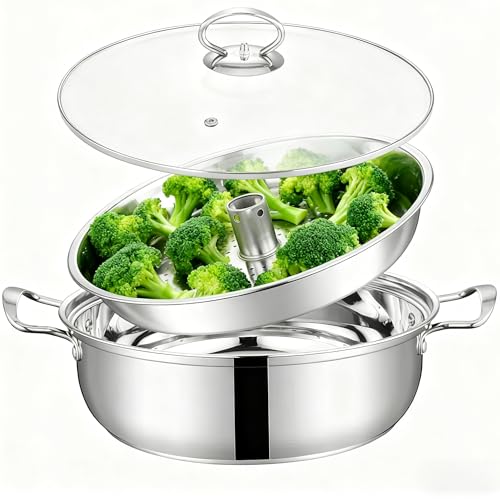
Engineered for Steaming Broccoli Just Right Purpose-built for vegetables like broccoli, with a focused steam pathway for quick, even cooking.
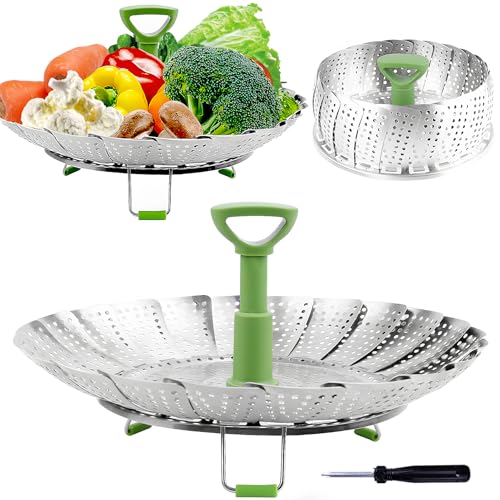
Healthier cooking choices: The steamer basket with high quality stainless steel petals, food grade plastic handle and silicone feet will promote your health. It is non-rust, scratch proof and corrosion resistant, easy to clean for long use. Steaming is a healthy cooking choice because it helps retain more than 90% of the nutrients lost when either boiling or microwaving food. The foldable steam basket can be used to steam veggies, seafood, eggs, meats, desserts, baby food and much more
Retaining Broccoli’s Nutrients While Cooking
To retain the nutritional value of broccoli while cooking, there are a few methods to consider:
- Steaming: This method involves cooking broccoli over boiling water. It is effective at preserving nutrients due to the minimal contact of the vegetable with water.
- Boiling: Boiling broccoli in water can lead to some nutrient loss as vitamins and minerals may leach into the cooking water. However, consuming the cooking water can still offer some benefits.
- Microwaving: Using a microwave to cook broccoli for a short period can help retain nutrients as it involves minimal water and shorter cooking times.
When preparing broccoli, remember these tips to maximize nutrient retention:
- Cooking Time: Be mindful of the cooking time to avoid excessive nutrient loss. Shorter cooking times generally help preserve more nutrients.
- Cooking Water: If you boil broccoli, consider using the cooking water in soups or sauces to make the most of the nutrients that may have leached into it.
Experiment with different cooking methods to find the one that best suits your preferences while preserving the nutritional content of this healthy vegetable.
| Method | Nutrient Retention |
|---|---|
| Steaming | High |
| Boiling | Some nutrient loss |
| Microwaving | Retains nutrients well |
Recommended Products

Bloom is the updated model of the previous Lotus steamer

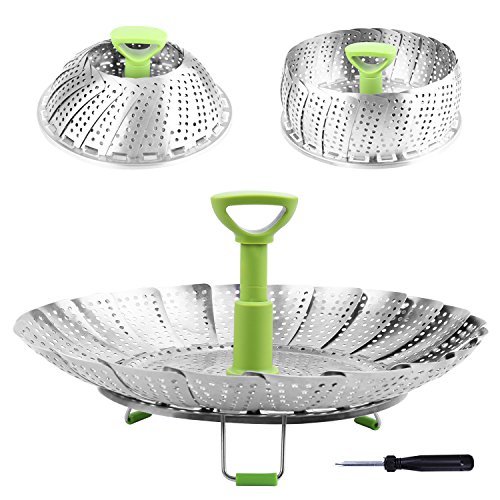
Healthier cooking choices: The steamer basket with high quality stainless steel petals, food grade plastic handle and silicone feet will promote your health. It is non-rust, scratch proof and corrosion resistant, easy to clean for long use. Steaming is a healthy cooking choice because it helps retain more than 90% of the nutrients lost when either boiling or microwaving food. The foldable steam basket can be used to steam veggies, seafood, eggs, meats, desserts, baby food and much more
Myth Busted: Does Cooking Broccoli Remove Nutrients?
When it comes to cooking broccoli, the concern about nutrient loss is a common one. However, the idea that all cooking methods strip broccoli of its nutrients is a bit of a misconception. Cooking broccoli does lead to some nutrient loss, but the extent can vary depending on the method used.
Retaining Nutrients:
- Steaming is a great way to cook broccoli while retaining most nutrients. By cooking the broccoli above boiling water without submerging it, you can minimize nutrient loss.
- Boiling broccoli can cause some nutrients to leach into the water, but you can still preserve a good amount by keeping the cooking time short.
- Microwaving broccoli quickly can help retain nutrients as well, as it involves short cooking times.
- Blanching or overcooking broccoli can lead to excessive nutrient loss.
- Avoid prolonged cooking to minimize nutrient depletion.
Remember, the key is to strike a balance between cooking the broccoli enough to make it palatable while preserving its nutritional value.
Conclusion
Remember, when cooking broccoli, some nutrient loss is inevitable, but the key lies in choosing the right cooking method. Opt for steaming, boiling briefly, or microwaving to retain the most nutrients. Avoid blanching or overcooking, as these can lead to excessive nutrient depletion. Striking a balance between cooking the broccoli to your liking and preserving its nutritional value is crucial. Enjoy your broccoli dishes knowing that you can cook them in a way that keeps them both delicious and nutritious.
Frequently Asked Questions
Q: Does cooking broccoli make it lose its nutrients?
A: Yes, cooking broccoli does lead to some nutrient loss, but the extent varies based on the cooking method used.
Q: Which cooking method is best for retaining nutrients in broccoli?
A: Steaming is the best method for retaining most nutrients in broccoli, followed by boiling with a short cooking time and microwaving quickly.
Q: What cooking methods should be avoided to prevent excessive nutrient loss in broccoli?
A: Blanching and overcooking broccoli should be avoided to prevent excessive nutrient loss.
Q: How can I balance cooking broccoli for taste while keeping its nutritional value?
A: Find a balance by cooking the broccoli adequately for taste while preserving its nutritional value, avoiding prolonged cooking times.
