

Ever wondered if those broccoli scraps could magically transform into a thriving vegetable garden? Picture this: you finish prepping a delicious broccoli dish, and instead of tossing out the scraps, you envision a future harvest right in your kitchen. Exciting, right? In this article, you’ll uncover the secrets to growing broccoli from those very scraps, turning what you once considered waste into a sustainable and rewarding gardening adventure. Get ready to witness the transformation from kitchen leftovers to homegrown goodness, all with a little bit of know-how and a sprinkle of green-thumb magic. Let’s dive in and unlock the potential of those humble broccoli remnants.
Benefits of Growing Broccoli from Scraps
Embrace eco-friendliness: Reducing food waste by regrowing broccoli from scraps contributes to a more sustainable lifestyle.
Experience the joy of harvesting: Witnessing the transformation from kitchen scraps to vibrant broccoli plants can be a truly rewarding journey.
Enjoy fresh and organic produce: Cultivating broccoli at home allows you to harvest chemical-free vegetables whenever you need them.
Save money in the long run: By regrowing broccoli from scraps, you cut down on grocery expenses for buying this nutritious vegetable.
Teach sustainability: Involving your family in the process of regrowing broccoli can be a fun and educational activity for all.
Spark creativity in gardening: Experimenting with regrowing scraps can inspire you to try cultivating other vegetables from kitchen leftovers.
Strengthen self-sufficiency: Developing your skills in regrowing broccoli enhances your ability to grow your own food and rely less on store-bought produce.
Foster a deeper connection with nature: Engaging in regrowing broccoli from scraps allows you to appreciate the cycles of growth and the beauty of nature’s processes.
| Statistic | Value |
|---|---|
| Global food waste annually | 1.3 billion tons |
| Broccoli nutritional benefits | Rich in Vitamin C, K, and fiber |
| Average cost of broccoli | $1.50 per pound |
Selecting the Right Broccoli Scraps
When choosing broccoli scraps for regrowing, look for healthy and fresh pieces with stems intact for successful cultivation. Here are some key tips to help you select the best broccoli scraps:
- Choose: Opt for broccoli with firm stems and unblemished florets.
- Avoid: Discard any mushy or moldy parts as they may hinder growth.
- Size Matters: Select scraps with larger stem portions for better regrowth potential.
- Freshness: Pick scraps that are recently cut to increase the chances of successful regrowth.
Remember, the quality of the scraps you choose will impact the success of your regrowing venture.
Preparing Broccoli Scraps for Regrowth
To start regrowing broccoli from scraps, select pieces with healthy stems, intact florets, and bigger portions. Cut the stems at a 45-degree angle to expose more surface area for absorption. Place the scraps in a shallow container of water, ensuring that only the stems are submerged. Change the water every 1-2 days to prevent bacterial growth and ensure freshness. Keep the container in a well-lit area with indirect sunlight to promote regrowth.
Recommended Products

GROW FRESH SPROUTS AT HOME: Grow crisp broccoli and alfalfa sprouts in just days with a simple jar system designed for easy rinsing, draining, and dependable results.
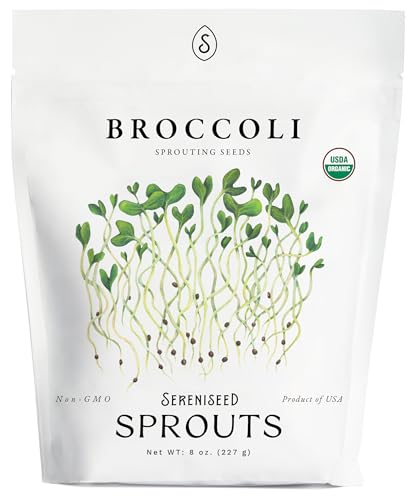
Tested quality. These broccoli sprouting seeds are grown in the USA, non-GMO, open pollinated, certified organic by Oregon Tilth, and tested for pathogens.

【All-in-One Sprouting Kit】Most sprout growing kit sell dual packs; our single kit delivers better value for affordable home sprouting fun. Contents: 950ml Mason jar, mesh sprouting lid, angle-adjustable stand, blackout sleeve.
Growing Broccoli Indoors vs. Outdoors
When considering growing broccoli from scraps, the choice between indoors and outdoors can significantly impact your results. Here’s a breakdown to help you decide:
- Indoors:
- Perfect for those with limited outdoor space or harsh weather conditions.
- Control over the environment, including temperature and light exposure.
- Simpler pest control compared to outdoor crops.
- Outdoors:
- Ideal for larger quantities, as broccoli plants thrive with ample space.
- Access to natural sunlight during all stages of growth.
- Potential challenges include pests and weather variations.
If you opt to grow broccoli indoors, you’ll enjoy more control over the growing conditions. Outdoors, the plants can benefit from natural sunlight but might face more challenges. Ultimately, choose the method that aligns best with your space and lifestyle.
Recommended Products

Superfood Garden in 7 Days: Transform your kitchen counter into a nutrient-dense oasis. Harvest fresh Broccoli, Arugula, Kale, Cabbage, and Radish in just one week-providing up to 40x more vitamins than mature vegetables for your smoothies and salads

INTRODUCING THE EXCITING WAY TO GROW FRESH MICROGREENS EVERY WEEK. No soil, no mess, just add water! Harvest crisp, nutrient-packed microgreens in 7–10 days with no soil, special lights, or daily misting. The easiest way to grow fresh greens on your kitchen counter.

🥗EASY & HEALTHY SPROUTING AT HOME - Our sprouting kits make it easy to grow a variety of nutritious sprouts at home. Healthy and delicious ingredients for your sandwiches, salads, and soups! Growing sprouts is not only a fun process, but it's also a cheap way to get fresh sprouts! For $29.99 you can have a whole year's worth of sprouts. or even 3 years, 5 years, 10 years.
Harvesting and Enjoying Your Homegrown Broccoli
So, you’ve successfully regrown broccoli from scraps, and now it’s time to enjoy the fruits of your labor. Here are some tips to help you harvest and savor your homegrown broccoli:
- Harvesting: When the broccoli heads are firm, tight, and about 6-8 inches in diameter, it’s time to harvest. Cut them at a diagonal angle about 5 inches down the stem using a sharp knife or shears.
- Continual Growth: After the main head is harvested, side shoots will develop, giving you a second and sometimes even third harvest.
- Storage: Store freshly harvested broccoli in the refrigerator, ideally in a plastic bag with holes to maintain humidity.
- Cooking Tips: Enjoy your freshly harvested broccoli by steaming, roasting, or sautéing it. Remember, overcooking can diminish its nutritional value.
- Nutritional Benefits: Broccoli is packed with vitamins C and K, fiber, and antioxidants. A true powerhouse of nutrition!
- Homegrown Flavor: Taste the difference in flavor between your homegrown broccoli and store-bought ones. Your efforts have paid off!
| Aspect | Homegrown Broccoli | Store-Bought Broccoli |
|---|---|---|
| Flavor | Fresher, more flavorful | Less fresh, may lack flavor |
| Nutritional Value | Higher nutrient content | Nutrients may degrade over time |
| Environmental Impact | Low carbon footprint | May have traveled long distances |
Conclusion
You’ve learned about the rewarding journey of growing broccoli from scraps. Harvesting your own homegrown broccoli not only offers superior flavor and nutrition but also reduces environmental impact. With tips on harvesting, storing, and cooking, you can savor the benefits of freshly harvested broccoli. Don’t forget about the joy of continuous growth with side shoots for more harvests. Embrace the process and enjoy the delicious rewards of regrowing broccoli at home. Happy gardening and happy eating!
Frequently Asked Questions
When is the best time to harvest broccoli?
The best time to harvest broccoli is when the heads are firm and tight, before the individual buds start to flower. This is typically around 60-85 days after planting.
How should I store harvested broccoli?
Harvested broccoli should be stored in a plastic bag in the refrigerator. Avoid washing it before storing to prevent moisture buildup, which can cause spoilage.
What are some delicious ways to cook fresh broccoli?
Fresh broccoli can be steamed, roasted, stir-fried, or even eaten raw in salads. Steaming or roasting helps retain its nutritional value.
What are the nutritional benefits of homegrown broccoli?
Homegrown broccoli is rich in vitamins C and K, fiber, and antioxidants. It provides more nutrients compared to store-bought broccoli due to its freshness.
How can I regrow broccoli from scraps for continual harvests?
To regrow broccoli from scraps, save the stem with leaves attached, place it in a container with water, and wait for new shoots to appear. Transplant into soil for continual growth.
