

Ever wondered how many carrots sprout from a single tiny seed? Picture this: you’re in your backyard, planting seeds, dreaming of a bountiful harvest. But how many carrots will you actually get from each seed you sow? That’s the mystery we’re about to uncover together.
In this article, you’ll uncover the magic hidden within each carrot seed. No more guessing games or uncertainty – we’re here to shed light on this fascinating aspect of gardening. By the end of this read, you’ll be equipped with the knowledge to maximize your carrot yield and cultivate a thriving garden. Let’s dive in and unlock the secrets of how many carrots can emerge from just one humble seed.
Exploring the Carrot Seed
You’re ready to dive into the world of carrot seeds and unlock their hidden potential. Here’s what you need to know:
Carrot Seed Varieties
- Different types of carrot seeds can produce varying sizes and shapes of carrots. Consider your preferences when choosing a seed variety.
Optimal Planting Conditions
- Carrots thrive in loose, well-drained soil. Ensure your garden receives ample sunlight for successful growth.
Seed Spacing
- When planting carrot seeds, space them properly to prevent overcrowding, which can lead to stunted carrot growth.
Watering Tips
- Avoid over-watering carrot seeds as it can cause them to rot. Maintain consistent moisture levels in the soil for best results.
Thinning Out Seedlings
- Once your carrot seeds germinate, thin out the seedlings to provide ample space for each carrot to grow to its full potential.
Pest Control
- Keep an eye out for pests that might target carrot plants. Implement organic pest control methods to protect your crop.
Harvesting Time
- Carrots are typically ready for harvest between 60-80 days after planting. Gently pull them out of the soil once they reach a desirable size.
- Store harvested carrots in a cool, dark place or refrigerate them to maintain freshness.
Recommended Products
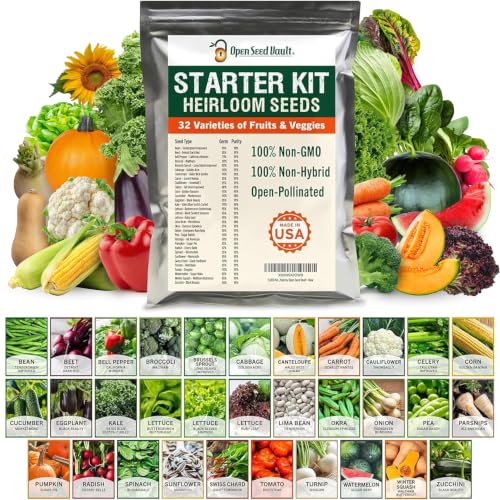
COMPLETE VEGETABLE GARDEN VARIETY PACK – Grow a thriving home garden with 32 popular vegetable seeds including Bean, Beet, Bell Pepper, Broccoli, Brussels Sprout, Cabbage, Cantaloupe, Carrot, Cauliflower, Celery, Corn, Cucumber, Eggplant, Kale, Lettuce (3 types), Lima Bean, Okra, Onion, Pea, Parsnip, Pumpkin, Radish, Spinach, Sunflower, Swiss Chard, Tomato, Turnip, Watermelon, Zucchini. A diverse mix perfect for fresh meals, backyard gardens, and sustainable growing.

Set includes 43 lightly assorted Vegetable and Herb seeds!

Vegetable seeds variety pack: Grow 35 varieties of leafy greens, root vegetables, tomatoes, peppers, beans, peas, squash, melons, and more. Includes 16,000+ vegetable seeds for planting outdoors in raised beds, garden rows, or containers.
Factors Affecting Carrot Yield
Thinking about how many carrots could grow from just one seed? Well, the number isn’t fixed. Several factors come into play when determining carrot yield. Below are key factors that influence the growth and yield of carrots from a single seed:
- Variety Selection: Different carrot varieties have varying sizes and shapes. Some varieties tend to produce larger carrots, while others are better suited for smaller sizes.
- Soil Quality: Carrots thrive in well-draining, loose soil with ample nutrients. Optimal soil conditions can significantly impact the size and quality of the carrots.
- Seed Spacing: Proper seed spacing ensures that each carrot has enough room to develop fully without competing for resources with neighboring plants.
- Watering: Consistent and adequate watering is essential for carrot growth. Inconsistent watering can result in stunted or misshapen carrots.
- Thinning Out Seedlings: Thinning out seedlings is essential to prevent overcrowding and ensure that each carrot plant has enough space to grow.
- Pest Control: Keep an eye out for common pests like carrot flies and aphids, as they can damage the crop and reduce overall yield.
- Harvesting Time: Harvesting carrots at the right time is crucial. If left too long, they can become woody and lose their flavor.
| Aspect | Impact |
|---|---|
| Variety Selection | Affects size and shape of carrots produced |
| Soil Quality | Influences nutrient intake and growth |
| Seed Spacing | Allows room for full development of carrots |
| Watering | Essential for proper growth and development |
| Thinning Out Seedlings | Prevents overcrowding and aids growth |
| Pest Control | Protects crop from damage and low yield |
| Harvesting Time | Timing affects taste and quality of carrots |
Recommended Products

🌳 PROFESSIONALLY MIXED IN THE USA - Each bag is hand blended on our small family farm with premium horticultural grade ingredients: Coco Coir, Canadian Peat Moss, Perlite, Worm Castings- 3 QUART BAG


Understanding Carrot Seedling Growth
When planting carrots, it’s crucial to understand how many carrots can grow from just one seed. Carrot seeds are tiny, so it may seem surprising that each individual seed has the potential to produce more than one carrot.
- Seed Viability: Ensure you use fresh, high-quality carrot seeds to maximize germination rates.
- Soil Conditions: Plant seeds in well-draining, loose soil with optimal moisture levels for healthy growth.
- Thinning Seedlings: Give each seedling enough space to develop fully by thinning out excess seedlings as they grow.
Seeds are resilient, and if given the right conditions, they can surprise you with the number of carrots they produce.
Maximizing Carrot Harvest
Are you eager to maximize your carrot harvest? Here are some practical tips to make the most of each seed:
- Plant Carrots Close Together: Sow your carrot seeds around a 1/2 inch apart (1.3 cm) to increase the yield per square foot.
- Thinning is Key: As seedlings sprout, thin them to at least 1 inch (2.5 cm) apart to allow for robust growth.
- Consistent Watering: Ensure your carrot crops receive an inch (2.5 cm) of water per week for optimal development.
- Ideal Soil Conditions: Plant carrots in well-draining soil rich in organic matter to encourage healthy root growth.
- Regular Harvesting: Harvest mature carrots promptly to make space for new growth and prevent overcrowding.
Recommended Products

VERSATILE DESIGN: Manual seed dispenser perfect for spreading small seeds like carrot, lettuce, grass, and spinach in gardens and lawns

【Mini Seed Spreader Set】If you have been troubled by putting too many seeds in one spot in your garden. This mini seed spreader sets is a must-have for the avid gardener, we have different combinations of planting gadgets for you to choose. Makes it so much easier to make seed tapes and evenly distribute the seeds when direct seed sowing.which makes planting seeds a breeze! You will not have this problem anymore.

【Easy to Use】The Mini Seed Spreader is designed for simplicity. Just load the seeds, hold the handheld grip,and adjust seed quantity by pressing the button. Then insert the sowing helper into the soil to planting effortlessly
Conclusion
Now that you’ve learned how to maximize your carrot harvest, remember to plant seeds close together, thin seedlings, water consistently, choose well-draining soil, and harvest mature carrots promptly. By following these tips, you’ll optimize your carrot production and enjoy healthy root development. Happy gardening!
Frequently Asked Questions
How can I maximize my carrot harvest?
To maximize your carrot harvest, plant seeds close together for increased yield, thin seedlings to promote robust growth, water consistently with an inch per week, use well-draining soil rich in organic matter, and harvest mature carrots promptly to encourage new growth and prevent overcrowding.
What practices can help optimize carrot production?
Practices such as planting seeds close together, thinning seedlings, consistent watering, choosing well-draining soil with organic matter, and harvesting mature carrots in a timely manner can optimize carrot production and ensure healthy root development.
