

Ever wondered why your cucumber plants seem to disappear overnight? Could those sneaky chipmunks be the culprits? Picture waking up to find your precious garden nibbled away. Frustrating, right? In this article, you’ll uncover the truth about whether chipmunks have a taste for your cucumber plants.
You’re not alone in this struggle – many gardeners face the same dilemma. The thought of those cute little chipmunks wreaking havoc in your garden might be disheartening. But fear not! By the end of this read, you’ll have the knowledge to protect your cucumber plants and preserve your garden oasis.
Understanding Chipmunk Behavior
Chipmunks are adorable creatures, but their behavior can spell trouble for your cucumber plants. Understanding their habits is key to protecting your garden. Chipmunks are skilled climbers and diggers, making them adept at accessing your plants from various angles. They are opportunistic feeders and primarily consume nuts, fruits, seeds, and insects. However, they won’t hesitate to nibble on tender cucumber leaves if the opportunity arises. Chipmunks are diurnal, meaning they are most active during the day, which is when they are likely to target your garden. Keep this in mind when planning your protective measures.
Experts suggest that Chipmunks are territorial creatures that typically stake out their domains within 50 feet of their burrows. Creating barriers like fences, mesh, or row covers can deter them from entering your garden. You might also want to explore repellant options such as natural scents or predator urine, which may discourage them from getting too close to your precious cucumber plants. Alternatively, offering distractions like designated feeding areas with non-crop food sources can redirect their attention away from your garden. Be observant and proactive in managing chipmunk interactions to safeguard your cucumber patch.
Remember, the key is to think like a chipmunk and strategize accordingly – consider their behavior, preferences, and patterns to outsmart these garden intruders. By enhancing your understanding of chipmunk behavior, you can devise effective strategies to protect your beloved cucumber plants.
Signs of Chipmunk Damage on Cucumber Plants
If you suspect chipmunks have been dining on your cucumber plants, look out for the following telltale signs:
- Nibbled Leaves: Irregular edges or small holes on the leaves indicate chipmunk activity.
- Missing Fruit: Disappearing cucumbers that are partially eaten or entirely gone could be a result of chipmunk foraging.
- Burrow Holes: Small openings near the cucumber plant roots may signify chipmunks digging in the vicinity.
Preventing Chipmunks from Feasting on Your Cucumber Plants
If you’re tired of chipmunks munching on your cucumber plants, here are some effective strategies to keep them at bay:
- Barriers: Install mesh fences around your garden to prevent chipmunks from accessing the plants.
- Repellants: Use natural repellants like garlic or pepper spray to deter chipmunks from your cucumber patch.
- Distractions: Placing bird feeders or offering other food sources away from your garden can help distract chipmunks.
By implementing these protective measures, you can safeguard your cucumber plants from the nibbling tendencies of these troublesome creatures.
Recommended Products

【Package Contents】The plant protector includes 15 plant fences+20 ground stakes+100 black cable ties+1 glove. The height of each mesh is about 14 inches, you can combine 3 or more meshes for larger plants, which will provide enough space for the plants to grow

COMPLETE PROTECTION KIT - Professional-grade 7ft x 100ft deer netting with 3/4" fine mesh that effectively blocks deer, rabbits, birds, and small pests. Includes 10 metal landscape staples and 50 zip ties for immediate installation - everything you need in one package.
Natural Deterrents for Chipmunks
When dealing with pesky chipmunks eyeing your cucumber plants, there are natural deterrents you can use that are both effective and eco-friendly. Here are some practical tips to keep those critters at bay:
1. Spicy Sprays:
Spraying a mixture of hot peppers and water on and around your cucumber plants can create an unwelcoming environment for chipmunks. The spicy scent will deter them from nibbling on your precious plants.
2. Planting Daffodils:
Chipmunks have an aversion to daffodils, making them an excellent deterrent when planted near cucumber patches. The strong scent of daffodils can help keep chipmunks away.
3. Predator Urine:
Consider using predator urine, like that of foxes or coyotes, around your garden perimeter. The scent signals to chipmunks that predators are nearby, encouraging them to seek out safer feeding grounds.
4. Broken Eggshells:
Scatter crushed eggshells around your cucumber plants. The sharp edges of the shells deter chipmunks, acting as a natural barrier without causing harm to your plants.
5. Ultrasonic Devices:
Invest in ultrasonic devices specifically designed to repel chipmunks. These gadgets emit high-frequency sounds that are unpleasant for chipmunks but harmless to other wildlife and pets.
| Natural Deterrent | Effectiveness Level |
|---|---|
| Spicy Sprays | High |
| Planting Daffodils | Medium |
| Predator Urine | High |
| Broken Eggshells | Low |
| Ultrasonic Devices | Medium |
Implementing these natural deterrents can help safeguard your cucumber plants and ensure a thriving garden free from chipmunk damage.
Conclusion
Protecting your cucumber plants from chipmunks doesn’t have to be a daunting task. By incorporating natural deterrents like spicy sprays, daffodils, predator urine, eggshells, and ultrasonic devices, you can create a safe haven for your garden. Each method offers a unique way to deter chipmunks and safeguard your plants. With a bit of creativity and effort, you can enjoy a bountiful harvest without worrying about chipmunk damage. Happy gardening!
Frequently Asked Questions
Recommended Products

Ultra-Powerful Snake Repellent for Yard | 50ft Dynamic Pulse Coverage: Featuring 50% higher energy conversion, our advanced ultrasonic snake repellent to drive away snakes, moles, and gophers within a 50ft radius—100% wider than standard 25ft models.Ultrasonic & Vibration Dual Technology:Drives away with powerful ultrasonic pulses (400-1,000Hz) and vibrations(evey 20 seconds).

Effective Repellent: This ultrasonic repellent uses solar-powered Ultrasonic and vibrations Dual Technology to deter Mole, Snake, Skunk, Rabbit, Gopher, Vole, Chipmunk, Deer, Groundhog, Armadillo, and Raccoon from your Lawns Gardens Yards, Farms, and Orchard
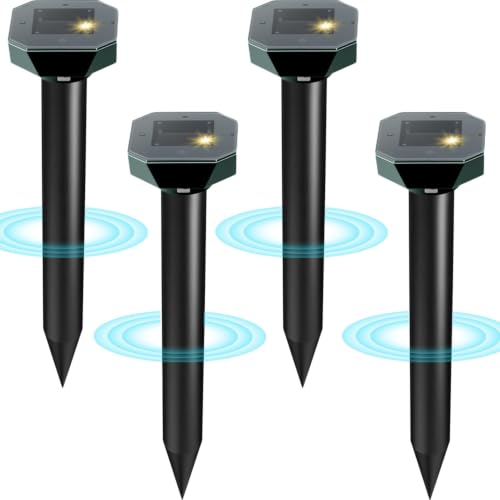
High-Efficiency Ultrasonic Snake & Burrowing Pest Repeller, Up to 50ft Effective Coverage: Boasting optimized energy conversion efficiency, this upgraded ultrasonic repellent delivers effective coverage up to 50ft in radius, outperforming regular 25ft basic versions. Built with dual-action ultrasonic & vibration working principle, it emits 400–1000Hz ultrasonic pulses paired with intermittent vibrations every 20 seconds to deter snakes, moles and gophers around your property.
How can I protect my cucumber plants from chipmunks?
To protect cucumber plants from chipmunks, consider using spicy sprays, planting daffodils, predator urine, broken eggshells, or ultrasonic devices. These natural deterrents can help keep chipmunks away from your garden.
Are these natural deterrents effective in deterring chipmunks?
Yes, these methods have different levels of effectiveness in deterring chipmunks from damaging your cucumber plants. It is recommended to combine a few different deterrents for better results.
Can I implement these strategies in an eco-friendly manner?
Absolutely! These natural deterrents are eco-friendly alternatives to chemical solutions. By using them, you can protect your cucumber plants without harming the environment.
How long should I use these deterrents for optimal results?
For best results, it’s recommended to consistently implement these natural deterrents throughout the growing season of your cucumber plants. By doing so, you can help prevent chipmunks from causing damage to your garden.
Are there any other tips for protecting cucumber plants from chipmunks?
In addition to natural deterrents, you can also consider placing physical barriers around your garden, such as fences or netting. These barriers can act as an extra layer of protection against chipmunks and other pests.
