

Ever wondered how you could grow your own sweet stash of sugar beets right in your backyard? Picture this: a flourishing garden filled with vibrant green leaves and the promise of delicious, homegrown sweetness. In this article, you’ll uncover the secrets to successfully nurturing these root vegetables from seed to harvest.
Have you ever craved that sense of accomplishment that comes from cultivating your own produce? Growing sugar beets not only offers a rewarding experience but also provides you with a fresh supply of versatile, nutrient-rich ingredients for your culinary adventures. Get ready to embark on a journey that will not only enrich your garden but also your kitchen creations.
By delving into the art of sugar beet cultivation, you’ll gain valuable insights and practical tips that will empower you to cultivate these gems with confidence. Get your gardening gloves ready as we explore the step-by-step process of growing sugar beets and unlock the potential of your green thumb.
Selecting the Right Variety of Sugar Beets
To ensure a successful sugar beet harvest, choosing the right variety is crucial. Here are essential points to consider when selecting the most suitable sugar beet for your garden:
- Consider your climate: Opt for varieties that thrive in your specific climate and growing conditions.
- Determine use: Select based on your intended use, whether for fresh consumption, processing, or storage.
- Growth characteristics: Look for varieties with optimal root size, sugar content, and disease resistance.
- Research: Explore different varieties’ reviews and characteristics before making your final decision.
| Climate | Use | Characteristics | Research |
|---|---|---|---|
| Cold | Fresh consumption | Optimal root size | Explore reviews |
| Warm | Processing | High sugar content | Compare characteristics |
| Neutral | Storage | Disease resistance | Seek recommendations |
Recommended Products

Sugar Beet seeds garden seeds vegetable seeds bulk Make your own sugar.

TOP-RATED NUTRITIONAL HEIRLOOM: Detroit Dark Red is a premium, high-yielding, and stress-resistant beet variety that stands at the pinnacle of root vegetables. This all-season favorite is a mid-early universal cultivar, perfect for consistent home harvests of professional quality.
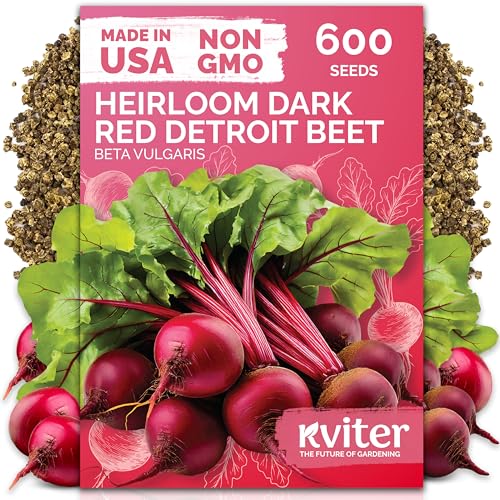
55-60 Day Harvest: Red beet seeds mature fast with tender 2-3 inch roots and sweet classic flavor; sow in loose, well-drained soil at 55-70 °F for best vegetable seeds results.
Choosing the Ideal Growing Conditions
When Choosing the Ideal Growing Conditions for your sugar beets, consider the following factors:
- Sunlight: Sugar beets thrive in full sunlight; aim for at least 6-8 hours of direct sunlight daily.
- Soil Quality: Opt for well-draining, loose soil rich in organic matter. Loamy or sandy soil types are ideal.
- pH Level: Sugar beets prefer slightly acidic soil with a pH range of 6.0-7.5.
- Temperature: Ensure soil temperatures are consistently between 50-75°F for optimal growth.
- Spacing: Plant sugar beet seeds 1 inch apart and thin seedlings to 3-4 inches apart once they emerge.
Keep these considerations in mind to create optimal growing conditions for your sugar beets.
Preparing the Soil for Planting
To kick start the growth of your sugar beets, you’ll need to focus on preparing the soil. Here’s what you should do:
- Clear the area: Remove any debris, rocks, or weeds from the planting site.
- Loosen the soil: Use a tiller or a shovel to break up compacted soil, ensuring good root penetration.
- Check the pH levels: Sugar beets prefer slightly acidic soil, so test your soil and adjust accordingly with lime or sulfur.
- Add organic matter: Improve soil structure and fertility by mixing in compost or well-rotted manure.
When planting sugar beets, remember that healthy soil sets the foundation for a successful crop.
Planting and Caring for Sugar Beet Seeds
When it comes to planting and caring for sugar beet seeds, there are essential steps you can take to ensure a successful crop:
- Planting Depth: Sow sugar beet seeds ½ inch deep in well-prepared soil.
- Spacing: Leave 2-4 inches between seeds to allow room for growth.
- Watering: Keep the soil consistently moist but not waterlogged, especially during germination.
- Thinning: Once seedlings have emerged, thin them to maintain a spacing of 4-6 inches apart.
To care for your sugar beet plants:
- Weeding: Regularly remove weeds that compete for nutrients and water.
- Fertilizing: Side-dress with a nitrogen-rich fertilizer when the plants reach 4-6 inches in height.
- Pests: Keep an eye out for common pests like aphids and flea beetles, and take action if infestations occur.
By following these guidelines, you can nurture your sugar beet seeds into healthy plants that will reward you with a bountiful harvest.
Harvesting and Utilizing Your Homegrown Sugar Beets
After nurturing your sugar beet seeds into healthy plants, the exciting part comes – harvesting and utilizing your homegrown sugar beets. Here are some tips to help you get the most out of your crop:
- Know When to Harvest: Sugar beets are ready to harvest when they reach 2-3 inches in diameter. Check by gently pulling one from the ground to assess the size.
- Harvesting Techniques: To harvest, loosen the soil around the beet with a spade or fork, then pull gently to avoid damaging the beet.
- Storage Tips: Store harvested sugar beets in a cool, dark place with high humidity. They can last up to 4-5 months if stored properly.
- Utilizing Your Harvest: Sugar beets are versatile; you can use them in various ways:
- Cooking: Boil, roast, or pickle sugar beets for diverse culinary creations.
- Juicing: Extract beet juice for refreshing and nutrient-packed drinks.
- Sugar Production: Explore homemade sugar-making using sugar beets in place of sugarcane.
- Share the Bounty: If you have a surplus, share your homegrown sugar beets with friends, family, or local food banks.
Conclusion
You’re now equipped with the knowledge needed to successfully grow your own sugar beets. From soil preparation to harvesting techniques, you’ve learned the essential steps to nurture your sugar beet seeds into a bountiful crop. By following the planting, caring, and harvesting tips provided in this article, you’re on your way to enjoying the sweet rewards of your hard work. Whether you’re cooking, juicing, or producing sugar from your homegrown sugar beets, there are endless possibilities to explore. Embrace the journey of cultivating your own sugar beets and savor the satisfaction of reaping the benefits of your harvest. Happy growing!
Frequently Asked Questions
How deep should sugar beet seeds be planted?
Sugar beet seeds should be planted at a depth of 0.5 to 1 inch in the soil.
What spacing is recommended when planting sugar beet seeds?
Space sugar beet seeds about 3 inches apart to allow room for the plants to grow.
How often should sugar beet plants be watered?
Water sugar beet plants regularly, ensuring the soil is consistently moist but not waterlogged.
When should I thin out sugar beet seedlings?
Thin out sugar beet seedlings when they reach 2-3 inches tall to prevent overcrowding.
How can I prevent weeds in my sugar beet field?
Regularly weed the sugar beet field by hand to prevent weeds from competing with the plants for nutrients.
Do sugar beet plants require fertilization?
Fertilize sugar beet plants with a balanced fertilizer high in phosphorus to promote root development.
What are some natural ways to control pests in sugar beet plants?
Control pests in sugar beet plants by introducing beneficial insects like ladybugs or using neem oil spray.
When is the best time to harvest sugar beets?
Harvest sugar beets in the fall when they have reached mature size and the tops start to die back.
How should sugar beets be stored after harvesting?
Store harvested sugar beets in a cool, dark place with high humidity to prevent them from drying out.
What are some ways to use homegrown sugar beets?
Homegrown sugar beets can be used for cooking, juicing, sugar production, or shared with friends and family.
