

Have you ever wondered if you can plant carrots alongside lettuce in your garden? You’re not alone. Many gardeners face this question as they look to maximize their space and grow a variety of veggies.
Planting different crops together can be a game-changer, but it’s important to know which pairings work well. This article will explore whether carrots and lettuce can coexist in the same garden bed and the benefits of companion planting. By understanding their compatibility, you can boost your garden’s productivity and enjoy a thriving harvest.
Key Takeaways
- Companion Planting Benefits: Carrots and lettuce thrive together, maximizing garden space and enhancing growth while providing natural pest management.
- Space Optimization: Carrots grow underground while lettuce spreads above, allowing efficient use of vertical space in your garden.
- Resource Competition: Monitor soil moisture and nutrient levels, as both plants can compete for resources despite their compatibility.
- Ideal Growing Conditions: Both crops require similar soil and light conditions, favoring sandy loam and 6-8 hours of sunlight daily for optimal growth.
- Effective Planting Techniques: Utilize methods like direct sowing, interplanting, and alternating rows to enhance yields and improve air circulation.
- Pest Management Practices: Implement crop rotation, companion planting with flowers, and regular monitoring to protect both crops from common pests and diseases.
Understanding Companion Planting
Companion planting involves strategically pairing crops to enhance growth, deter pests, and maximize garden efficiency. Carrots and lettuce make a compatible duo in your garden, offering several advantages.
Benefits of Planting Carrots with Lettuce
- Space Saving: Carrots grow underground, while lettuce spreads above. This vertical growth allows you to use garden space optimally.
- Pest Management: Lettuce can repel pests that typically harm carrots, providing a natural defense mechanism.
- Soil Health: Both plants have different nutrient requirements. Planting them together can enhance overall soil health.
- Faster Harvest: Lettuce grows quickly and matures before carrots. You can harvest lettuce first, creating space for carrot development.
- Competition for Resources: While carrots and lettuce are compatible, they still compete for water and nutrients. Monitor soil moisture levels to avoid stress on either plant.
- Weed Management: Lettuce can attract weeds. Regular weeding is necessary to prevent interference with carrots’ growth.
- Planting Times: Timing is crucial. Ensure you plant lettuce early in the season, followed by carrots at the appropriate time to maximize both crops’ success.
- Root Disturbance: Avoid disturbing carrot roots when harvesting lettuce. Use careful techniques to prevent damage to the carrot plants.
Growing Conditions for Carrots and Lettuce
Carrots and lettuce thrive in compatible growing conditions, making them excellent companions in your garden. Understanding their requirements ensures healthy growth and a bountiful harvest.
Recommended Products

Trusted Since 2015: Become one of the many plant lovers who rely on the proven accuracy of XLUX. Established in 2015, our soil moisture meter has earned over 60,000+ verified ratings for its consistent performance. While many many newer brands come and go, we provide the long-term reliability and quality that American households have trusted for over a decade.

Accurate Soil Moisture Detection: The XLUX Soil Moisture Meter can tell you if the soil deep inside your pot or garden is dry, moist or wet; whereas your eyes and fingers can only determine the moisture level of the soil surface. The probe is 5.5 inches (14 cm) longer than regular styles, allowing it to measure the soil moisture at the bottom of larger and deeper flower pots.

Easy to Operate for Home Composting, Gardening, Schools & Community Programs
Ideal Soil and Light Requirements
Carrots prefer sandy loam with good drainage. Aim for soil that’s loose and has a pH of 6.0 to 6.8. Mixing in compost can boost soil fertility. Lettuce enjoys similar conditions but can tolerate slightly heavier soils. Provide full sun to partial shade for both plants. Carrots require at least 6 to 8 hours of sunlight daily, while lettuce thrives with 4 to 6 hours.
Watering Needs for Both Plants
Consistent moisture is essential for both carrots and lettuce. Water carrots deeply and less frequently, ensuring about 1 inch of water per week. This promotes deep root growth. For lettuce, keep the soil evenly moist. Aim for more frequent, lighter watering to prevent wilting. Check the top inch of soil; if it’s dry, it’s time to water. Adjust your routine during dry spells to maintain optimal moisture levels.
Planting Techniques
Planting carrots with lettuce can maximize your garden space and enhance yields. Here are effective techniques to guide you.
Recommended Products
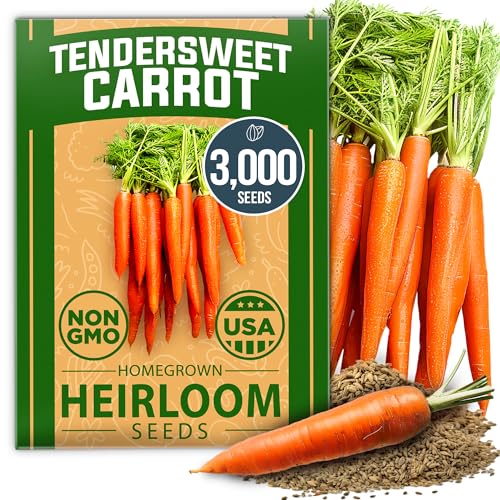
Premium Tendersweet Carrot Seeds: Authentic Open-Pollinated Premium Heirloom Seeds (USA) Non-GMO, Untreated, High Germination Rate. Phenomenal dessert Brix profile. High-impact carotene energy. An outstanding orange monolith for open ground, high ridges, and patio containers. Your garden bed is your pride.
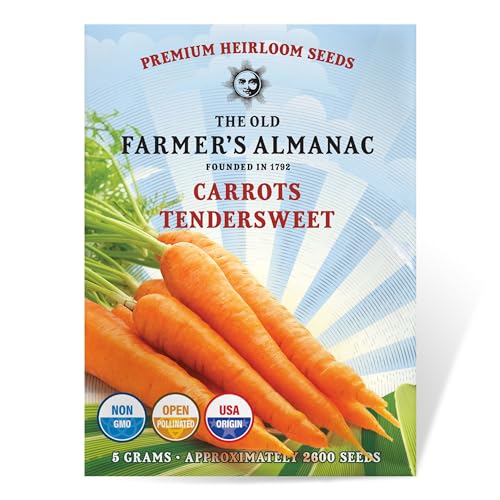
Premium Seeds: Tendersweet heirloom carrot variety offering approximately 2600 seeds for extensive garden planting and multiple growing seasons

The Best Value - Organo Republic Royal Chantenay Carrot Seeds Pack contains 1g or 850 of Non-GMO heirloom carrot seeds. Royal Chantenay Carrot (Daucus carota subsp. Sativa) is known for its sweet, crunchy, orange flesh, this carrot variety is the perfect addition to fresh vegetable salad or culinary creations.
Recommended Planting Methods
- Direct Sowing: Plant carrot seeds directly in the soil about 1/4 inch deep. Lettuce seeds can follow, planted at the surface level. This method encourages both plants to germinate in their preferred environments.
- Row Planting: Create alternating rows. Space carrot seeds 12-18 inches apart. Place lettuce seeds 10 inches apart in the adjacent row to ensure they receive adequate sunlight and airflow.
- Interplanting: Mix seeds for a dense planting. Sow carrot seeds with lettuce seeds every few inches. This approach optimizes space and can help with pest control.
- Carrot Spacing: Space carrots 2-4 inches apart within the row. Thinning seedlings to this distance promotes better growth.
- Lettuce Spacing: Position lettuce plants 6-12 inches apart. This spacing helps prevent overcrowding and improves air circulation.
- Companion Arrangement: Place carrots in the center of the bed and surround them with lettuce. Lettuce provides a shade that can help keep the ground cool, aiding carrot growth.
- Sequential Planting: Consider a staggered planting schedule. Sow carrot seeds every two weeks to extend the harvest period and regularly harvest outer lettuce leaves to make room for new growth in the center.
- Use of Mulch: Apply a layer of mulch around both plants to maintain moisture and inhibit weeds. This technique benefits both carrot and lettuce growth.
By employing suitable planting techniques, you foster a thriving garden environment for both carrots and lettuce.
Common Pests and Diseases
Carrots and lettuce can attract various pests and diseases. Understanding these threats helps you protect your crops effectively.
Recommended Products

PEST DEFENSE - Insecticidal Super Soap controls species of adelgid, ant, aphid, borer, caterpillar, spider mite, cricket, chinch bug, weevil, fly, thrip, & more.

READY-TO-USE CONTACT SPRAY: No mixing required. Thoroughly spray insecticide on all plant parts, including the underside of leaves. Pests must be sprayed directly to achieve control

FUNGAL DISEASE CONTROL: Prevents and controls black spot on roses, powdery mildew, rust, downy mildew, and other listed fungal diseases when applied on a 7–14 day schedule
Pests That Affect Carrots and Lettuce
- Aphids: Small, green or black insects that suck plant sap. They can weaken both carrots and lettuce.
- Carrot Flies: These pests lay eggs near carrot roots. The larvae tunnel into the roots, causing damage.
- Lettuce Leafcutter Bees: These bees cut circular holes in leaves. They don’t harm the plant’s health significantly but can affect appearance.
- Slugs and Snails: Moist environments invite these pests. They consume leaves and stems, leading to decreased yields.
- Flea Beetles: Tiny beetles that create small holes in lettuce leaves. They can stunt growth if not controlled.
- Crop Rotation: Change planting locations each year to break pest life cycles. This practice minimizes infestations.
- Companion Planting: Use flowers like marigolds to attract beneficial insects. These insects prey on harmful pests.
- Row Covers: Protect crops with lightweight fabric. This barriers prevent pests from reaching your plants while allowing light and moisture in.
- Regular Monitoring: Check plants frequently for signs of pests. Early detection allows for prompt action to mitigate damage.
- Organic Insecticides: Use products like neem oil or insecticidal soap. These options target pests without harming beneficial insects.
- Healthy Soil: Maintain good soil health to promote strong plant growth. Healthy plants are less susceptible to pests and diseases.
Implementing these strategies helps ensure that both your carrots and lettuce thrive while minimizing pest-related issues.
Conclusion
Planting carrots with lettuce can be a rewarding experience for your garden. By taking advantage of their compatibility you can maximize your space while enjoying a bountiful harvest. Remember to keep an eye out for pests and implement the strategies discussed to protect your plants.
With a little care and attention your carrots and lettuce can thrive side by side. So go ahead and give it a try. You might just find that this dynamic duo makes your gardening journey even more enjoyable. Happy planting!
Frequently Asked Questions
What is companion planting for carrots and lettuce?
Companion planting involves growing two or more plant species together for mutual benefits. Carrots and lettuce are compatible because they share similar growing conditions and can make optimal use of garden space, allowing each plant to thrive.
What pests commonly affect carrots and lettuce?
Common pests for carrots and lettuce include aphids, carrot flies, lettuce leafcutter bees, slugs, and flea beetles. These pests can harm both plants, affecting their health and yield.
How can I prevent pests in my carrot and lettuce garden?
Prevent pests by rotating crops, practicing companion planting with marigolds, using row covers, and regularly monitoring for pests. Maintaining healthy soil and applying organic insecticides can also help manage pest issues effectively.
What is crop rotation, and why is it important?
Crop rotation involves changing the types of plants grown in a specific area over time. It helps prevent soil depletion and interrupts pest lifecycles, reducing infestations and diseases in your garden.
Are there any organic insecticides that work for pests on carrots and lettuce?
Yes, organic insecticides like neem oil and insecticidal soap can effectively manage pests like aphids and beetles on carrots and lettuce while being safe for both plants and beneficial insects.
