

Have you ever wondered if you can still grow lettuce when the temperatures drop? If you enjoy fresh salads but worry about the chilly weather, you’re not alone. Many gardeners face the challenge of keeping their greens thriving during the colder months.
Key Takeaways
- Lettuce thrives in cool weather, with optimal growing temperatures between 60°F and 65°F (15°C to 18°C), and can tolerate conditions as low as 28°F (-2°C).
- Varieties such as Butterhead, Romaine, and Leaf Lettuce are ideal for cold weather, showcasing frost resistance and rich flavors even during chilly months.
- To encourage lettuce growth, the soil temperature should remain above 40°F (4°C), and plants should receive at least 6 hours of sunlight daily.
- Protective measures like fleece row covers, mulching, and cold frames help insulate lettuce plants from harsh weather, promoting healthy growth during cold spells.
- Timing is crucial; planting should occur in early spring or late summer to ensure proper harvest before or after frost.
- Consistent moisture and well-drained soil are essential to prevent root rot and support growth in cold temperatures.
Understanding Lettuce Growth
Lettuce thrives in cool weather, making it a suitable crop for early spring and late fall. It prefers temperatures between 60°F and 65°F (15°C to 18°C). When temperatures drop below 50°F (10°C), lettuce growth slows but can still be productive.
Types of Lettuce for Cold Weather
- Butterhead Lettuce: Known for its sweet flavor and tender leaves, butterhead survives chilly temperatures well.
- Romaine Lettuce: This variety holds up against cold, developing a robust taste during cooler months.
- Looseleaf Lettuce: Fast-growing and versatile, looseleaf varieties can flourish in lower temperatures.
Ideal Conditions for Growth
Lettuce requires several conditions to grow effectively in cold weather:
- Soil Temperature: Soil should remain above 40°F (4°C) for optimal seed germination and growth.
- Sunlight: Select a location that receives at least 6 hours of sunlight each day. In cold months, maximize exposure to sunlight by avoiding shadows from buildings or trees.
- Moisture: Maintain consistent soil moisture without waterlogging. Ensure your soil is well-drained to prevent root rot.
Protecting Lettuce in Cold Weather
Use various strategies to shield your lettuce from harsh conditions:
- Fleece Row Covers: These thin protective sheets provide insulation, retaining warmth while allowing light and moisture to penetrate.
- Mulching: Apply organic mulch around plants to protect roots and regulate soil temperature.
- Cold Frames: Consider using cold frames or cloches to create a microclimate, offering extra warmth on particularly cold nights.
By understanding lettuce growth requirements and implementing protective measures, you can successfully cultivate lettuce even when temperatures drop.
Cold Weather Conditions
Lettuce thrives in cooler temperatures, making it an appealing option for fall and early spring gardens. While it prefers mild conditions, you can still grow lettuce successfully even in cold weather by understanding temperature tolerance and frost resistance.
Recommended Products

Comprehensive Winter Protection for Your Garden: Our outdoor plant covers provide complete freeze protection for strawberries, vegetables, tomatoes, fruit trees, citrus plants, shrubs, and potted plants throughout the winter. This frost cloth plant freeze protection shields delicate plants from sudden temperature drops, frost, and strong winds, ensuring they survive harsh winter conditions. Ideal for those looking for frost blankets for outdoor plants and reliable plant freeze protection covers.

【All-Purpose Garden Plant Cover】Faraer Floating Row Cover is a polypropylene garden covers that transmits 70 percent of available light. It keeps heat in, bugs out, and is an excellent windbreak for young transplants. It allows rain and overhead irrigation to reach plants and soil. Secure with ground stakes (sold separately).
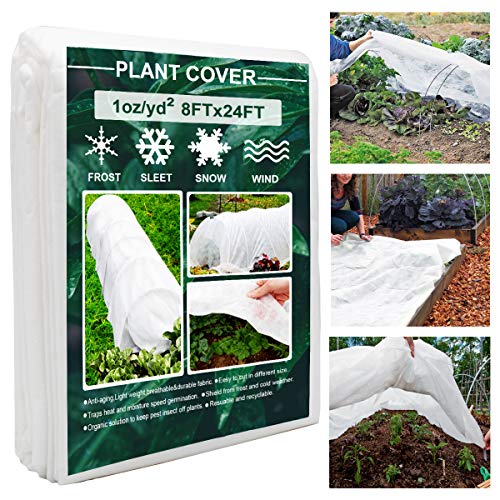
【All-Purpose Garden Plant Cover】Faraer Floating Row Cover is a polypropylene garden covers that transmits 70 percent of available light. It keeps heat in, bugs out, and is an excellent windbreak for young transplants. It allows rain and overhead irrigation to reach plants and soil. Secure with ground stakes (sold separately).
Temperature Tolerance
Lettuce generally tolerates temperatures as low as 28°F (-2°C). Certain varieties, such as winter butterhead and winter density, excel in these cooler conditions. When temperatures dip, growth slows, but lettuce can remain viable and flavorful. To encourage growth during colder months, focus on soil temperatures. Soil should ideally stay above 40°F (4°C) for optimal development. Utilizing raised beds can help regulate soil temperature, as they warm up more quickly than in-ground gardens.
Frost Resistance
Lettuce showcases impressive frost resistance, enabling it to withstand light frosts without significant damage. When temperatures drop below 32°F (0°C), the outer leaves might soften. However, the inner leaves often remain intact, preserving the plant. Covering plants with flax or fleece row covers during colder nights can provide additional insulation. These protective measures help maintain temperature around the plants, promoting growth even in chilly environments. Additionally, mulch can help retain soil warmth and moisture, further supporting your lettuce crops during frost-prone periods.
Types of Lettuce Suitable for Cold Weather
Several lettuce varieties thrive in cold weather, allowing you to enjoy fresh greens even during chilly months. Here are the top types of lettuce that excel in cooler temperatures.
Recommended Products


🥬 Winter Density Lettuce: 65 days until Maturity. Latin Name: Lactuca sativa. Open Pollinated. The plant produces heavy yields of dark green romaine lettuce. Leaves are tightly folded and have a delicious sweet flavor. Lettuce retains its crisp sweetness best when harvested in the morning.

🥬 Heat-Tolerant Upright Romaine: Jericho Romaine Lettuce (Lactuca sativa) forms tall, sturdy heads with crisp ribs and tender, mildly sweet leaves. Known for its strong heat tolerance compared to many romaine varieties, it grows 18–24 inches tall and delivers reliable harvests in extended spring and early summer conditions.
Butterhead Lettuce
Butterhead lettuce, such as Buttercrunch and Boston, features a soft, tender texture and a rich flavor. These varieties perform well in cool weather, often tolerating temperatures as low as 28°F (-2°C). Planting them in early spring or late fall ensures a successful harvest. For best results, provide ample moisture and consistent sunlight.
Romaine Lettuce
Romaine lettuce, known for its crisp leaves and robust flavor, includes varieties like Winter Density and Parris Island. These types endure cold conditions and can withstand frosts. Plant them in well-drained soil, ensuring they receive at least six hours of sunlight daily. This variety not only manages cooler temperatures but also extends your growing season.
Leaf Lettuce
Leaf lettuce offers a variety of shapes and colors, making it an appealing choice. Varieties such as Red Romaine and Butterhead add vibrant flavor and texture to your garden. These lettuces grow well in cooler months and can tolerate temperatures down to 20°F (-6°C). Plant them densely for a continuous harvest, allowing you to pick leaves as needed. Regular watering and mulch help maintain optimal growing conditions in the cold.
Tips for Growing Lettuce in Cold Weather
Growing lettuce in cold weather is possible with the right techniques. Follow these tips to ensure your lettuce thrives even when temperatures drop.
Choosing the Right Time to Plant
Plant lettuce in early spring or late summer for fall harvesting. Aim for a soil temperature between 40°F (4°C) and 75°F (24°C). If you start too early, young plants may suffer from frost. Plant about 4-6 weeks before the average last frost date in spring or 6-8 weeks before the first frost date in fall.
Protective Measures
Implement protective measures to shield your lettuce from cold spells. Consider using:
- Fleece Row Covers: These lightweight materials trap heat and keep frost away. Drape them over your plants, securing the edges to the ground.
- Mulching: Apply a layer of straw or shredded leaves around your plants. This helps maintain soil warmth and moisture while preventing weed growth.
- Cold Frames: Construct cold frames using plastic or glass covers. Place them over your lettuce beds to provide extra warmth while allowing sunlight in. Adjust the cover during the day to prevent overheating.
- Cloche: Use a cloche, which is a bell-shaped cover, to protect individual plants. Move it as needed to allow ventilation.
By selecting the right planting times and employing protective strategies, you can successfully grow lettuce in colder weather, ensuring a bountiful harvest.
Conclusion
Growing lettuce in cold weather is definitely possible with the right approach. By choosing the right varieties and employing protective measures you can enjoy fresh greens even when temperatures drop. Remember to provide adequate moisture and sunlight to keep your plants thriving.
With a little planning and care you can extend your lettuce growing season and reap the rewards of your efforts. So don’t let the cold scare you away—embrace the challenge and watch your garden flourish. Happy gardening!
Frequently Asked Questions
What are the best lettuce varieties for cold weather?
Lettuce varieties like Buttercrunch, Boston, Winter Density, Parris Island, Red Romaine, and Butterhead thrive in cold conditions. These types can withstand temperatures as low as 20°F (-6°C) or 28°F (-2°C).
How does frost affect lettuce growth?
Frost can damage lettuce by causing tissue injury and stunting growth. It’s essential to protect lettuce from freezing temperatures to ensure healthy and continuous growth.
What growing conditions do lettuce plants need?
Lettuce prefers cooler temperatures, adequate moisture, sunlight, and well-drained soil to thrive. These conditions help encourage strong root development and leaf growth.
How can I protect my lettuce from frost?
Use protective measures like fleece row covers, mulching, cold frames, and cloches to shield your lettuce from frost damage and extend the growing season.
When is the best time to plant lettuce?
The optimal planting times for lettuce are between early spring and late summer. This schedule allows for growth during the cooler months when lettuce performs best.
