Close Menu
    Veggie Knowledge
    • Home
    • Growing Vegetables
      • Beets
      • Broccoli
      • Carrots
      • Cucumber
      • Green Beans
    • Tips and Advice
    • Free eBook
    • About
      • Contact
      • Privacy Policy
    Veggie Knowledge
    Home»Lettuce»How Much Water Does Lettuce Need Per Day to Ensure Healthy Growth and Avoid Common Issues
    Lettuce

    How Much Water Does Lettuce Need Per Day to Ensure Healthy Growth and Avoid Common Issues

    Lucy StoneBy Lucy StoneSeptember 2, 2024Updated:September 2, 20247 Mins Read
    Facebook Twitter Pinterest LinkedIn Tumblr WhatsApp VKontakte Email
    Share
    Facebook Twitter LinkedIn Pinterest Email

    Ever wondered how much water your lettuce really needs to thrive? You’re not alone! Many home gardeners struggle with keeping their leafy greens hydrated just right. Too little water can lead to wilting leaves, while too much can cause root rot.

    Contents show
    1 Key Takeaways
    2 Understanding Lettuce Water Requirements
    2.1 Factors That Influence Water Needs
    2.2 Different Types of Lettuce
    3 Daily Water Consumption for Lettuce
    3.1 General Guidelines for Watering
    3.2 Variations Based on Growth Stages
    4 Methods for Watering Lettuce
    4.1 Drip Irrigation
    4.2 Traditional Watering Techniques
    5 Signs of Overwatering and Underwatering
    5.1 Identifying Symptoms of Overwatering
    6 Conclusion
    7 Frequently Asked Questions
    7.1 What are the ideal water requirements for lettuce?
    7.2 How can I effectively water my lettuce plants?
    7.3 What are signs of overwatering lettuce?
    7.4 What symptoms indicate underwatering in lettuce?
    7.5 How can I adjust my watering routine for lettuce?

    Key Takeaways

    • Lettuce requires consistent moisture; ideally, 1 to 1.5 inches of water per week to thrive.
    • Watering frequency varies based on climate, soil type, plant growth stage, sun exposure, and humidity levels.
    • Different lettuce varieties have specific water needs; for instance, Romaine and Iceberg typically require about 1 to 1.5 inches weekly, while seedlings need gentle, consistent moisture.
    • Early morning watering is recommended to reduce evaporation and minimize disease risks associated with wet leaves.
    • Signs of overwatering include wilting leaves, yellowing, and leaf rot, while underwatering manifests as crispy leaves, wilting, and stunted growth.
    • Regularly monitoring your plants and adjusting watering practices based on conditions is essential for healthy lettuce growth.

    Understanding Lettuce Water Requirements

    Lettuce thrives with consistent moisture. Knowing how much water it needs helps ensure healthy growth and prevents problems like wilting or root rot.

    Factors That Influence Water Needs

    Several factors impact how much water lettuce requires:

    • Climate: Hotter temperatures increase water loss through evaporation. In warm conditions, lettuce may need up to 1 inch of water per week.
    • Soil Type: Sandy soils drain quickly, requiring more frequent watering. Clay soils retain moisture, which may reduce watering frequency.
    • Growth Stage: Seedlings need less water than mature plants. Young lettuce may require about 0.5 to 1 inch of water per week, while established plants need more.
    • Sun Exposure: Full sun exposure leads to greater evaporation. If your lettuce gets full sun, consider daily watering, especially in hot weather.
    • Humidity: Higher humidity reduces water loss. In humid climates, lower watering amounts suffice.

    Different Types of Lettuce

    Different lettuce varieties have distinct water needs:

    • Romaine Lettuce: Requires moderate watering, about 1 to 1.5 inches per week. This type benefits from consistent moisture.
    • Butterhead Lettuce: Prefers evenly moist soil with slightly higher humidity. Water it thoroughly but avoid standing water.
    • Iceberg Lettuce: Thrives with about 1 to 1.5 inches of water weekly, especially during hot periods. Protect it from drying out.
    • Leaf Lettuce: Varies in water needs. Typically, it requires around 1 inch of water weekly but check soil moisture regularly.

    By adjusting watering practices based on these factors and types, you can optimize the health and yield of your lettuce crops.

    Daily Water Consumption for Lettuce

    Lettuce requires consistent watering to thrive. Understanding its daily water needs helps maintain optimal growth.

    MUST READ:  Can You Grow Lettuce in a Planter: Tips for Success and Best Varieties to Choose

    Recommended Products

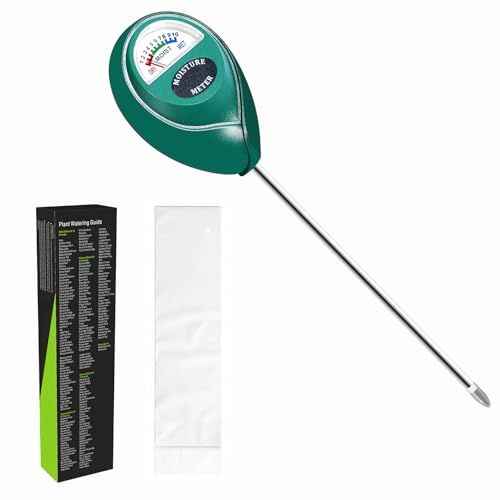
    XLUX Soil Moisture Meter (Since 2015) - Durable 304 Stainless Steel Probe & Virgin ABS - Instant Read Hygrometer for Garden, Indoor & Outdoor Plants (Upgraded Design)
    XLUX Soil Moisture Meter (Since 2015) - Durable 304 Stainless Steel Probe & Virgin ABS - Instant Read Hygrometer for Garden, Indoor & Outdoor Plants (Upgraded Design)

    Trusted Since 2015: Become one of the many plant lovers who rely on the proven accuracy of XLUX. Established in 2015, our soil moisture meter has earned over 60,000+ verified ratings for its consistent performance. While many many newer brands come and go, we provide the long-term reliability and quality that American households have trusted for over a decade.

    VIEW LATEST PRICE

    As an affiliate, we earn on qualifying purchases.

    XLUX Long Probe Deep Use Soil Moisture Meter, Water Monitor Indicator Sensor, Hygrometer for Outdoor Indoor Large Pot Plants, Flower, Gardening, Farming
    XLUX Long Probe Deep Use Soil Moisture Meter, Water Monitor Indicator Sensor, Hygrometer for Outdoor Indoor Large Pot Plants, Flower, Gardening, Farming

    Accurate Soil Moisture Detection: The XLUX Soil Moisture Meter can tell you if the soil deep inside your pot or garden is dry, moist or wet; whereas your eyes and fingers can only determine the moisture level of the soil surface. The probe is 5.5 inches (14 cm) longer than regular styles, allowing it to measure the soil moisture at the bottom of larger and deeper flower pots.
    VIEW LATEST PRICE

    As an affiliate, we earn on qualifying purchases.

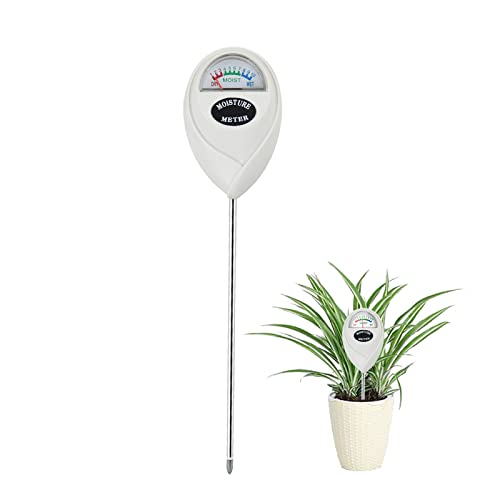
    Censinda Soil Moisture Meter, Soil Moisture Monitor for House Plants, Soil Hygrometer Moisture Sensor for Indoor & Outdoor, Garden, Farm, Lawn Plant Care, No Battery Needed(White)
    Censinda Soil Moisture Meter, Soil Moisture Monitor for House Plants, Soil Hygrometer Moisture Sensor for Indoor & Outdoor, Garden, Farm, Lawn Plant Care, No Battery Needed(White)

    【SAVE YOUR PLANTS】: Over watering can cause problems with your plants or even kill them. This soil moisture meter helps you know the soil is dry, moist or wet.No more over watering!

    VIEW LATEST PRICE

    As an affiliate, we earn on qualifying purchases.

    General Guidelines for Watering

    Lettuce typically needs about 1 to 1.5 inches of water per week. This amount breaks down to approximately 0.2 to 0.3 inches per day. Adjust the frequency based on weather conditions, soil moisture, and the specific lettuce variety.

    • Water early in the morning to reduce evaporation and allow leaves to dry, minimizing disease risks.
    • Use mulch to retain soil moisture and prevent weeds.
    • Check the soil moisture by sticking your finger into the top inch of soil; if it feels dry, it’s time to water.

    Variations Based on Growth Stages

    Watering needs change as lettuce grows. Here’s how water requirements vary by growth stage:

    • Seedlings: Require consistently moist soil. Water gently to avoid displacing seeds.
    • Young Plants: Need more water as roots develop. Water every 2-3 days, checking soil moisture.
    • Mature Lettuce: Requires 1 to 1.5 inches weekly. Water deeply to encourage strong root systems and maintain crunchiness.

    Monitor your plants regularly to adjust watering based on conditions. Consistency helps produce healthy, vibrant lettuce.

    Methods for Watering Lettuce

    Choosing the right watering method ensures your lettuce gets adequate moisture for healthy growth. You can utilize several effective techniques to achieve optimal hydration.

    Recommended Products

    SONKIR Soil pH Meter, MS02 3-in-1 Soil Moisture/Light/pH Tester Gardening Tool Kits for Plant Care, Great for Garden, Lawn, Farm, Indoor & Outdoor Use (Green)
    SONKIR Soil pH Meter, MS02 3-in-1 Soil Moisture/Light/pH Tester Gardening Tool Kits for Plant Care, Great for Garden, Lawn, Farm, Indoor & Outdoor Use (Green)

    Kindly NOTE: This soil tester can not be applied to test pH value of any other liquid. If the soil is too dry the indicator will not move, and water it before testing.

    MUST READ:  How Long to Grow Romaine Lettuce and Tips for a Faster Harvest Success
    VIEW LATEST PRICE

    As an affiliate, we earn on qualifying purchases.

    YAMRON 4-in-1 Soil Moisture Meter, Digital Plant Temperature/Soil Moisture Test & PH Meter/Sunlight Intensity, Backlight LCD Display for Gardening, Farming and Outdoor Plants
    YAMRON 4-in-1 Soil Moisture Meter, Digital Plant Temperature/Soil Moisture Test & PH Meter/Sunlight Intensity, Backlight LCD Display for Gardening, Farming and Outdoor Plants

    【4 in 1 function】This is a 4-in-1 multifunctional soil tester.Our soil tester fastly to measure soil moisture, pH, temperature and sunlight to help you take better care of flowers and plants.You can know when you need to water your soil by measuring moisture and pH & Temperature value of the soil and sunlight level of plants with it.

    VIEW LATEST PRICE

    As an affiliate, we earn on qualifying purchases.

    Hathdia Soil Moisture Meter,Plant Hygrometer Moisture Sensor Plant Water Monitor for Potted Plants,Garden,Farm, Lawn(No Battery Needed)
    Hathdia Soil Moisture Meter,Plant Hygrometer Moisture Sensor Plant Water Monitor for Potted Plants,Garden,Farm, Lawn(No Battery Needed)

    Soil Moisture Meter: This single probe soil moisture meter is specially designed for testing the moisture level in the soil, helps you decide whether the plants need water or not, helps to keep plants alive.

    VIEW LATEST PRICE

    As an affiliate, we earn on qualifying purchases.

    Drip Irrigation

    Drip irrigation provides a precise way to irrigate lettuce. It delivers water directly to the plant roots, minimizing evaporation and runoff. Set the system to provide about 1 to 1.5 inches of water per week, adjusting based on weather conditions. Check the tubing regularly for clogs. This method also helps prevent diseases caused by excessive water on the leaves.

    Traditional Watering Techniques

    Traditional watering techniques, such as using a garden hose or watering can, can be effective if done properly. Water early in the morning to reduce evaporation. Ensure that the water reaches the roots and avoid wetting the leaves to prevent fungal issues. A soaker hose can add efficiency by slowly soaking the soil. Aim for consistent watering, especially during dry spells, to maintain even soil moisture.

    Signs of Overwatering and Underwatering

    Understanding the signs of overwatering and underwatering helps maintain healthy lettuce crops. Lettuce requires careful attention to its water intake. Here’s what to look for.

    Recommended Products

    Censinda Soil Moisture Meter, Soil Moisture Monitor for House Plants, Soil Hygrometer Moisture Sensor for Indoor & Outdoor, Garden, Farm, Lawn Plant Care, No Battery Needed(Green)
    Censinda Soil Moisture Meter, Soil Moisture Monitor for House Plants, Soil Hygrometer Moisture Sensor for Indoor & Outdoor, Garden, Farm, Lawn Plant Care, No Battery Needed(Green)

    【SAVE YOUR PLANTS】: Over watering can cause problems with your plants or even kill them. This soil moisture meter helps you know the soil is dry, moist or wet.No more over watering!

    VIEW LATEST PRICE

    As an affiliate, we earn on qualifying purchases.

    Relaxweex 6 Pcs Water Sensor Ceramic The Potting Shed Water Sensor Plant Decoration Moisture Monitor Gardening Houseplant Humidity Meter Fun Gardening Gift for Your Potted Plant
    Relaxweex 6 Pcs Water Sensor Ceramic The Potting Shed Water Sensor Plant Decoration Moisture Monitor Gardening Houseplant Humidity Meter Fun Gardening Gift for Your Potted Plant

    Quantity: every package includes 6 individual pieces of ceramic water sensor; This set ensures that you have sufficient units to cater for multiple plant pots or garden areas; It's both a functional tool for effective moisture monitoring and an adorable addition to your plant

    MUST READ:  When Do You Cut Lettuce from the Garden for Maximum Freshness and Flavor
    VIEW LATEST PRICE

    As an affiliate, we earn on qualifying purchases.

    Hathdia Soil Moisture Meter,Long Probe Plant Hygrometer Moisture Sensor Plant Water Monitor for Potted Plants,Garden,Farm, Lawn(No Battery Needed)
    Hathdia Soil Moisture Meter,Long Probe Plant Hygrometer Moisture Sensor Plant Water Monitor for Potted Plants,Garden,Farm, Lawn(No Battery Needed)

    Soil Moisture Meter: This single probe soil moisture meter is specially designed for testing the moisture level in the soil, helps you decide whether the plants need water or not, helps to keep plants alive.

    VIEW LATEST PRICE

    As an affiliate, we earn on qualifying purchases.

    Identifying Symptoms of Overwatering

    • Wilting Leaves: Overwatered lettuce often exhibits drooping or wilting. Saturated soil restricts oxygen, affecting root function.
    • Yellowing of Leaves: If leaves turn yellow and soft, this may indicate too much water. The plant struggles to absorb necessary nutrients.
    • Leaf Rot: Watch for brown, mushy spots on leaves, signaling root rot due to excessive moisture. This condition can lead to plant death if not addressed swiftly.
    • Fungal Growth: Notice mold or fungus on the soil surface? This points to overly moist conditions. Fungus thrives in wet environments and can harm root health.
    • Crispy Leaves: Lettuce exposed to inadequate water develops crispy, dry leaves. This indicates stress due to insufficient moisture.
    • Wilting: Underwatered plants often show wilting, though it may differ from the wilting caused by overwatering. Leaves become limp but may not soften.
    • Stunted Growth: Growth may halt or slow significantly when lettuce does not receive enough water. Plants require moisture for proper development.
    • Brittle Stems: When lettuce lacks water, stems may become brittle, making them prone to breakage.

    Regularly check your lettuce for these symptoms. Adjust your watering routine based on your observations to cultivate healthy, thriving plants.

    Conclusion

    Keeping your lettuce well-hydrated is key to achieving a bountiful harvest. By sticking to the recommended watering guidelines and being mindful of the signs of overwatering and underwatering you can ensure your plants thrive.

    Regularly checking your lettuce will help you adjust your watering practices as needed. With a little attention and care your lettuce will reward you with crisp and delicious leaves. Happy gardening!

    Frequently Asked Questions

    What are the ideal water requirements for lettuce?

    Lettuce typically requires 1 to 1.5 inches of water per week. This amount may vary based on factors like weather conditions and the growth stage of the lettuce.

    How can I effectively water my lettuce plants?

    Effective watering methods include drip irrigation for consistent moisture and traditional techniques like hand-watering. Choose a method that suits your garden setup and climate.

    What are signs of overwatering lettuce?

    Signs of overwatering include wilting leaves, yellowing, leaf rot, and fungal growth. Regularly check your plants for these symptoms to adjust your watering routine.

    What symptoms indicate underwatering in lettuce?

    Underwatering symptoms include crispy leaves, wilting, stunted growth, and brittle stems. If you notice these signs, increase your watering frequency to support healthy growth.

    How can I adjust my watering routine for lettuce?

    Adjust your watering routine based on weather changes, soil moisture levels, and the growth stage of your lettuce. Regularly check for signs of stress in your plants and respond accordingly.

    Share. Facebook Twitter Pinterest LinkedIn Tumblr WhatsApp Email
    Previous ArticleCan You Grow Lettuce Hydroponically for Faster Growth and Healthier Harvests?
    Next Article Can You Plant Carrots with Lettuce: Tips for Thriving Companion Planting Success
    lucy stone
    Lucy Stone

      Hi, I'm Lucy! As a passionate gardener and writer for Veggie Knowledge, I've dedicated my life to exploring the secrets of successful vegetable growing. My love for gardening blossomed in my grandmother's backyard, where I learned how much joy a single plant can bring. I aim to share that joy through practical tips and insightful advice, helping you cultivate your own thriving garden

      Related Posts

      How to Cut Lettuce Leaves from Garden: Easy Steps for a Fresh and Healthy Harvest

      February 24, 2025

      How to Store Fresh Picked Leaf Lettuce: Tips for Keeping Your Greens Crisp and Delicious

      February 24, 2025

      How Long Can You Keep Romaine Lettuce to Ensure Maximum Freshness and Flavor

      February 23, 2025

      Is Romaine Lettuce Good for Constipation? Discover Its Digestive Benefits and Nutritional Value

      February 23, 2025
      Leave A Reply Cancel Reply

      Affiliate Disclosure

      As an Amazon Associate, I earn from qualifying purchases.

      Recommended Reading

      How to Grow Potatoes From Eyes Indoors: Simple DIY Walkthrough

      Growing Vegetables

      How Long Do Tomatoes Take to Grow? Diagnostic Guide

      Growing Vegetables

      How to Grow Potatoes in My Backyard: Simple Steps for Success

      Growing Vegetables

      How to Grow Red Peppers Indoors: Pro Secrets Revealed

      Growing Vegetables

      How Tall Can Tomato Plants Grow? Everything You Need to Know

      Growing Vegetables

      How to Grow Garlic Plants: Complete Beginner’s Checklist

      Growing Vegetables

      How to Grow Scallions From Seed: Professional Finish at Home

      Growing Vegetables

      How to Grow Bushier Tomatoes: Expert Secrets for Full Plants

      Growing Vegetables
      How VeggieKnowledge.com Got Started

      We started this website to share our love of vegetables with the world, and to help people discover the many benefits of growing, cooking, and eating fresh and delicious vegetables.

      Got questions or comments? You can reach us at [email protected].

      Featured Articles

      10 Common Gardening Mistakes (and How to Avoid Them)

      How Much Sun Do Vegetables Really Need?

      Beginner’s Guide to Growing Vegetables: What to Know Before You Start

      Watering 101: How to Keep Your Plants Happy and Healthy

      The Best Vegetables for First-Time Gardeners

      Categories
      • Beets
      • Broccoli
      • Carrots
      • Cucumber
      • Green Beans
      • Tips and Advice
      Veggie Knowledge
      • Home
      • About
      • Contact
      • Privacy Policy
      • Affiliate Disclosure
      • Free eBook
      © 2026 Veggie Knowledge

      Type above and press Enter to search. Press Esc to cancel.