

Have you ever thought about growing your own fresh lettuce but felt limited by space or soil? You’re not alone. Many people want to enjoy homegrown greens but struggle with traditional gardening methods. That’s where hydroponics comes in.
Key Takeaways
- Hydroponics is effective for growing lettuce: This method allows for efficient home production of fresh lettuce, offering benefits such as space savings and faster growth rates.
- Space efficiency: Hydroponic systems utilize vertical space, making it possible to grow more lettuce in smaller areas, ideal for urban settings.
- Faster growth: Lettuce can mature in as little as 4 to 6 weeks through hydroponics, compared to 8 to 12 weeks in traditional soil gardening.
- Reduced water usage: Hydroponic systems can consume up to 90% less water than conventional gardening methods, promoting sustainability.
- Minimal pesticide requirements: The controlled environment typical of hydroponics reduces pests, minimizing the need for chemical treatments and resulting in cleaner produce.
- Popular hydroponic systems: Different systems like Nutrient Film Technique (NFT), Deep Water Culture (DWC), and Ebb and Flow offer unique advantages, catering to various growing preferences and environments.
Can You Grow Lettuce Hydroponically?
Growing lettuce hydroponically is not only possible, but it’s also an efficient way to produce fresh greens at home. Many benefits come with this method, including space savings, quicker growth rates, and reduced pest issues.
Benefits of Hydroponic Lettuce
- Space Efficient: Hydroponics uses vertical space, allowing you to grow more in less area.
- Faster Growth: Lettuce can mature in as little as 4 to 6 weeks, compared to 8 to 12 weeks in soil.
- Less Water Use: Hydroponic systems use up to 90% less water than traditional gardening.
- Minimal Pesticides: The controlled environment reduces the risk of pests, limiting the need for chemical treatments.
Hydroponic Systems for Lettuce
Several hydroponic systems work well for growing lettuce. Each has unique characteristics.
- Nutrient Film Technique (NFT): A steady stream of nutrient solution flows over the roots without flooding them. Ideal for leafy greens like lettuce.
- Deep Water Culture (DWC): Lettuce roots are submerged in nutrient-rich water. This method offers strong growth rates and straightforward maintenance.
- Ebb and Flow: This system floods the grow bed with nutrient solution and drains it. It provides excellent oxygenation to the roots.
Steps to Grow Lettuce Hydroponically
- Choose Your System: Decide which hydroponic system works best for you, considering space and budget.
- Select Lettuce Varieties: Opt for varieties like Butterhead, Romaine, or Looseleaf based on your taste preference.
- Prepare Nutrient Solution: Mix a balanced nutrient solution designed for leafy greens, following the manufacturer’s instructions.
- Plant Seeds: You can start with seeds in rock wool or clay pellets. Place them in the system once they germinate.
- Monitor Conditions: Keep your system in a well-lit area with temperatures between 60°F and 70°F. Ensure pH levels stay between 5.5 and 6.5.
- Harvest and Enjoy: Once the lettuce reaches desired size, harvest by cutting at the base. Enjoy fresh salads or sandwiches!
- Do you need special equipment? While basic setups require specific materials, many DIY alternatives exist that fit various budgets.
- How often should you check the system? Check for nutrient levels and water every few days. This ensures healthy growth.
- Can you grow lettuce year-round? Yes! With proper indoor lighting, you can cultivate lettuce all year.
Hydroponic systems simplify the growing process and maximize your yield, allowing you to enjoy fresh lettuce anytime.
Benefits of Hydroponic Lettuce Growing
Growing lettuce hydroponically offers several advantages, enhancing your gardening experience and results.
Recommended Products

Efficient Growing: This hydroponic tower features a 9-tier vertical design with 45 plant pods. It maximizes growing efficiency in compact spaces like kitchens and balconies while supporting a greener lifestyle

High Yield and Quality: Soilless cultivation with nutrient film can meet the production potential of crops; Compared with traditional soil cultivation, the yield can be doubled with requiring less water and less space

【HIGH-YIELD 30-POD STRUCTURE】6-layer vertical farming system supports 30 plants simultaneously - Ideal for strawberries, tomatoes, lettuce, herbs and vegetable seeds cultivation
Faster Growth Rates
Hydroponic systems provide optimal conditions for lettuce, leading to faster growth rates. With controlled nutrients, pH, and light, lettuce can mature in 30 to 45 days, compared to 60 to 80 days in soil. For example, varieties like Butterhead and Romaine thrive in hydroponics, reaching harvest size quicker. This speed allows for multiple harvests a year, maximizing your yield.
Space Efficiency
Hydroponics excels in space utilization. Stackable systems enhance vertical growth, fitting more plants in a smaller area. Whether using a Tower Garden or a Nutrient Film Technique (NFT) setup, you can grow lettuce indoors or in limited outdoor space. A single tower can produce 20 heads of lettuce without needing a traditional garden plot. This efficiency makes it ideal for urban environments or small patios.
Reduced Pesticide Use
Hydroponically grown lettuce often requires fewer pesticides. The controlled environment minimizes pests, reducing the need for chemical treatments. By maintaining clean conditions and using organic pest management strategies, you can grow healthy lettuce without harmful residues. Many hydroponic gardeners report minimal or no pesticide applications, promoting a safer and cleaner product for consumers.
Types of Hydroponic Systems for Lettuce
Understanding the various hydroponic systems helps you choose the best method for growing lettuce. Each system has unique features that cater to different growing environments and preferences.
Recommended Products

High Yield and Quality: Soilless cultivation with nutrient film can meet the production potential of crops; Compared with traditional soil cultivation, the yield can be doubled with requiring less water and less space

52 Pods High Capacity Indoor Hydroponic Garden Kit: Featuring an ultra-large 52-pod design, this 52 pods hydroponics growing system kit lets you grow a variety of herbs, vegetables, and flowers all year round. Perfect for families, schools, or hobby gardeners looking for an efficient indoor hydroponics grow system that saves space and delivers results. Whether you're using herb hydroponics growing kit as a hydroponic seed starting system, this indoor gardening system has you covered
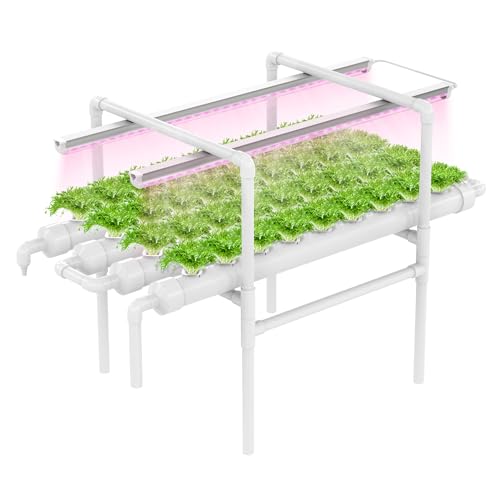
Ideal for beginners & kids eager to learn hydroponics, this system uses PVC-U pipes. Based on testing, most users assemble it in 12 mins—perfect for starting fresh produce growing at home, whether in the kitchen, balcony, or living room
Nutrient Film Technique (NFT)
NFT uses a continuous flow of nutrient-rich water to feed the roots of the lettuce. In this system, a thin film of solution runs over the plants’ roots, providing them with nutrients and oxygen. This method promotes quick growth and efficient nutrient uptake. To set up an NFT system, position sloped channels or tubes where the nutrient solution can flow. Ensuring proper drainage is crucial to prevent root rot. Regularly check nutrient levels and pH to maintain optimal growing conditions.
Deep Water Culture (DWC)
DWC involves suspending lettuce roots in a nutrient-rich water solution, often with air stones supplying oxygen. This method allows roots to stay hydrated and nourished while receiving ample oxygen, thus encouraging rapid growth. To create a DWC system, use a container with a lid to support the plants, and submerge the net pots in the solution. Monitor the water level regularly, as evaporation can reduce the solution volume. Change the nutrient solution every two weeks to keep nutrients balanced.
Ebb and Flow Systems
Ebb and Flow systems, also known as flood and drain systems, periodically flood the growing area with nutrient solution and then drain it away. This method ensures that roots receive nutrients, oxygen, and moisture at regular intervals. To set up an Ebb and Flow system, use a timer to control the flooding cycles, ensuring that the growing medium is adequately saturated, then allowed to drain. Choose a medium that holds moisture well, such as expanded clay pellets. Regularly inspect the pump and timer for reliable operation.
Each hydroponic system provides an effective way to grow lettuce with particular advantages. Choose the system that best fits your space, resources, and personal growing preferences.
Best Lettuce Varieties for Hydroponics
Selecting the right lettuce variety makes a significant impact on your hydroponic success. Here are some of the best options for optimal growth and flavor.
Recommended Products

USDA Certified Organic by Oregon Tilth

High Germination: Proudly grown in the USA, these romaine lettuce seeds(Lactuca sativa ) bring healthy, natural goodness straight to your garden. Enjoy consistent sprouting with premium-quality Parris Island Romaine Lettuce seeds that grow fast and strong, whether indoors or outdoors.
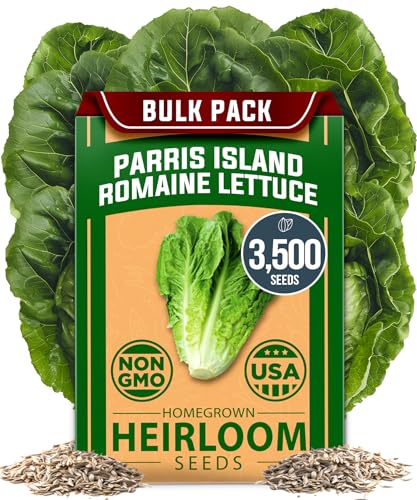
HIGH GERMINATION RATE FOR RELIABLE GROWTH - Our Parris Island Romaine Lettuce Seeds boast an impressive germination rate. High quality and rapid sprouting heirloom lettuce seeds ensuring a bountiful harvest for your vegetable garden.
Leaf Lettuce
Leaf lettuce grows quickly and thrives in hydroponic systems. Varieties like ‘Black Seeded Simpson’ and ‘Red Romaine’ offer vibrant colors and rich flavors. You can harvest leaves progressively, encouraging continuous growth. Use temperature ranges of 60°F to 70°F to ensure healthy development. High light levels also enhance taste and texture.
Romaine Lettuce
Romaine lettuce, such as ‘Cos’ and ‘Parris Island Cos,’ is popular due to its crisp texture. This variety takes longer to mature than leaf lettuce but yields robustly. Maintain pH levels between 5.5 and 6.5 to promote healthy root systems. Romaine is also tolerant to varying nutrient levels, making it an excellent choice for hydroponic beginners.
Butterhead Lettuce
Butterhead lettuce varieties, including ‘Boston’ and ‘Buttercrunch,’ feature tender, buttery leaves and a mild flavor. These lettuces grow well in warmer temperatures, ideally between 65°F and 75°F. They require ample space for full head development; consider using net pots to support growth. Additionally, their compact size suits small hydroponic setups, making them perfect for home growers.
Conclusion
Growing lettuce hydroponically opens up a world of possibilities for your gardening adventures. With the right system and variety, you can enjoy fresh greens year-round right in your own space. It’s not just about the quicker growth or reduced water use; it’s about the satisfaction of nurturing your plants and harvesting them at their peak.
So whether you’re a seasoned gardener or just starting out, hydroponic lettuce can be a fun and rewarding way to enhance your culinary creations. Dive in and explore the flavors and varieties that suit your taste. Happy gardening!
Frequently Asked Questions
What are the benefits of hydroponic lettuce cultivation?
Hydroponic lettuce cultivation offers space efficiency, faster growth rates, reduced water usage, and minimal pesticide requirements. This method allows for healthier and cleaner produce while enabling growers to maximize their harvests throughout the year.
What hydroponic systems are suitable for growing lettuce?
Several hydroponic systems can be used for lettuce cultivation, including Nutrient Film Technique (NFT), Deep Water Culture (DWC), and Ebb and Flow systems. Each system has its unique advantages, catering to different grower preferences and conditions.
Which lettuce varieties are best for hydroponics?
Recommended varieties for hydroponic lettuce include Leaf Lettuce like ‘Black Seeded Simpson’ and ‘Red Romaine,’ Romaine Lettuce such as ‘Cos’ and ‘Parris Island Cos,’ and Butterhead Lettuce varieties like ‘Boston’ and ‘Buttercrunch.’ Each has specific growth requirements and flavors.
How does hydroponic lettuce cultivation save water?
Hydroponic systems use recirculating water, significantly reducing overall water usage compared to traditional soil farming. This efficient system allows plants to absorb only the necessary amount of water, minimizing waste and promoting sustainability.
What factors contribute to successful hydroponic lettuce growth?
To grow lettuce successfully in hydroponics, maintaining optimal conditions such as nutrient balance, pH levels, temperature, and lighting is crucial. Additionally, selecting the right lettuce variety suited to the specific hydroponic setup and environment is essential for optimal yields.
