

Have you ever wondered if lettuce can thrive under constant light? Many home gardeners and indoor farming enthusiasts face this question as they experiment with different growing conditions. You might be curious whether keeping your plants lit around the clock could boost their growth or if it might do more harm than good.
In this article, you’ll discover the effects of 24-hour light on lettuce and what you need to know to achieve a healthy crop. Whether you’re looking to maximize your harvest or just trying to keep your greens alive, understanding the light requirements of lettuce can make all the difference. Let’s explore how you can optimize your growing environment for the best results.
Key Takeaways
- Lettuce Light Preferences: Lettuce thrives best with 12 to 16 hours of light daily; continuous 24-hour light can stress plants and lead to issues like bolting and leaf discoloration.
- Growth Conditions: Optimal temperatures between 60°F and 70°F, moderate humidity levels (50% to 70%), and well-draining soil with a pH of 6.0 to 6.8 are crucial for healthy lettuce growth.
- Natural vs. Artificial Light: Natural sunlight offers essential UV rays, while artificial full-spectrum LED lights can effectively supplement light, ideally positioned 6 to 12 inches above plants for 12 to 16 hours daily.
- Benefits and Risks of Constant Light: While 24-hour light can lead to faster growth and improved leaf quality, it risks problems such as bolting, light burn, and nutrient deficiencies if not carefully monitored.
- Soil and Nutrient Management: Well-draining, organic-rich soil is essential, with a focus on nitrogen for leafy growth. Regularly test soil to avoid over-fertilization and maintain balanced nutrient levels.
- Monitor Plant Health: Regular observation of plants for stress signs—such as yellowing leaves or bolting—is vital to adjust light exposure and environmental conditions for optimal lettuce growth.
Overview of Lettuce Growth Conditions
Lettuce thrives best in specific growth conditions. Understanding these factors helps you optimize your yield.
Light Requirements
Lettuce generally prefers light in the range of 12 to 16 hours a day. Extended exposure to light, like 24 hours, may stress the plants. If you choose to use continuous lighting, monitor the lettuce for signs of stress, like bolting or leaf discoloration.
Temperature Preferences
Lettuce grows well in cool temperatures, ideally between 60°F and 70°F (15°C to 21°C). High temperatures can lead to rapid bolting, making the lettuce bitter. You might want to consider using fans or ventilation systems to keep temperatures in check.
Humidity Levels
Lettuce benefits from moderate humidity levels, around 50% to 70%. Excessive moisture can lead to diseases such as downy mildew. You can use hygrometers to track humidity and adjust your environment accordingly.
Soil Requirements
Well-draining soil is crucial for lettuce growth. Aim for soil rich in organic matter with a pH of 6.0 to 6.8. You might consider incorporating compost or aged manure to enhance soil quality.
Watering Techniques
Maintain consistent moisture in the soil. Lettuce prefers regular watering, ensuring the soil doesn’t dry out completely. Automated drip irrigation can help provide even moisture without waterlogging the roots.
By optimizing these growth conditions, you’ll create an environment conducive to healthy lettuce development.
Light Requirements for Lettuce
Lettuce thrives under specific light conditions that affect its growth and overall health. Understanding these requirements helps you optimize your growing environment.
Recommended Products

FULL SPECTRUM & NATURAL LIGHT: A19 full spectrum grow light appears 4000K white to eyes but has a red/blue light spectrum. Same as natural sun shine, perfect for tomatoes, cucumbers, peppers, leafy greens and herbs at all growth stages.

【Perfect for All Growth Stages】 Excellent full spectrum LED grow light, including white, blue, red. The 660nm red and white light speeds up flowering time and boosts yields. The 430nm blue light can accelerate the growth of plant rhizomes and leaves. Allows you to harvest easy-to-grow vegetables, flowers, and herbs in harsh environments

6000K White Light - equipped with 10 Red + 74 White LEDs, this growing Lamp is similar to the full-spectrum sunlight at noon,that is professionally designed for indoor garden plants.Moreover, its color rendering index is as high as 95, the light is soft and flicker-free, which is very suitable for reading lamp
Natural Light vs. Artificial Light
Natural light offers a spectrum that includes ultraviolet (UV) rays, essential for plant growth. Lettuce does well when positioned outdoors during daylight hours. Ideally, it receives 12 to 16 hours of direct sunlight each day.
Artificial light can supplement insufficient natural light. Using full-spectrum LED grow lights mimics sunlight and promotes healthy growth. Position these lights 6 to 12 inches above your plants. Keep them on for 12 to 16 hours a day for best results.
Photosynthesis and Growth Rates
Photosynthesis drives lettuce growth, converting light into energy. Optimal light exposure speeds up growth rates. At 24-hour light exposure, lettuce may grow quickly, but issues like bolting can arise.
Most varieties exhibit optimal growth under 12 to 16 hours of light daily. Beyond this, diminishing returns in growth may occur. Monitor your plants during this phase. Signs of stress, like yellowing leaves, might indicate too much light exposure.
Can Lettuce Grow Under 24 Hour Light?
Yes, lettuce can grow under 24-hour light conditions, but it’s important to consider various factors that affect its health and growth.
Recommended Products
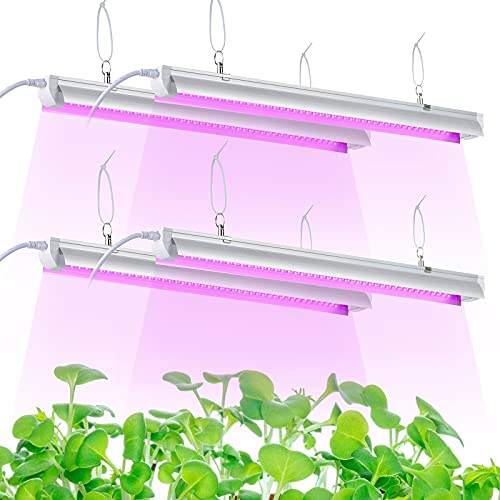
Full Spectrum - LED grow lights 2ft provide indoor plants with full-spectrum sunlight replacement. It provides the most reasonable grow light wave based on the ratio of the absorption of the plants

Optimal 5000K Full Spectrum: Featuring a premium 5000K daylight white spectrum, these T8 grow lights mimic natural sunlight to provide the essential wavelengths for all growth stages. Whether you are starting seeds, growing microgreens, or maintaining succulents, the balanced full spectrum promotes faster growth and higher yields compared to traditional red/blue lights

【8.6'' Light Strip and 52 Full Spectrum LEDs】The Grow Light has 52 LEDs and each light bar has 26pcs 3500K LEDs. High quality LEDs help plants grow with high light efficiency, high PPFD, low heat and longer lifespan. Indoor plant light emits all wavelengths from 380nm to 800nm, simulating natural sunlight to more effectively promote the growth of indoor plants.
Benefits of Constant Light
Constant light can enhance growth rates in lettuce. With 24 hours of light, you may notice:
- Faster Growth: Continuous light promotes quicker development and can lead to larger yields. Lettuce grows more efficiently under constant photosynthetic conditions.
- Improved Leaf Quality: Extended light exposure improves leaf color and texture. You’ll get crispier, more vibrant lettuce with a favorable taste.
- Year-Round Cultivation: Growing indoors or in controlled environments allows year-round lettuce production, regardless of outdoor conditions.
Risks of Excessive Light
While lettuce can handle extended light periods, excessive exposure can lead to problems. Keep in mind the potential risks:
- Bolting: Some varieties may bolt—flower and go to seed—under continuous light, especially those meant for cooler seasons. This hinders leaf production and impairs flavor.
- Nutrient Deficiency: Extended light may increase plant stress, potentially leading to nutrient deficiencies. Monitor nutrient levels to prevent issues.
- Light Burn: Prolonged exposure to intense light can cause leaf damage, known as light burn. Maintain a proper light distance to avoid overheating your plants.
Finding the right balance of light exposure is crucial for achieving healthy lettuce growth. Aim for managing your light source and duration effectively to ensure optimum results.
Optimal Growing Conditions for Lettuce
Lettuce thrives under specific growing conditions that enhance its health and productivity. Focusing on factors such as temperature, humidity, soil, and nutrients leads to successful cultivation.
Recommended Products

【Upgraded Full Spectrum】Eqqiuped with 5 Red+37 Sunlight White LEDs in each bar, which is similar to the sunlight at noon to meet the needs of various plant growth processes. 6000K LED grow light with high efficiency and high PPFD, providing flicker-free and soft light.
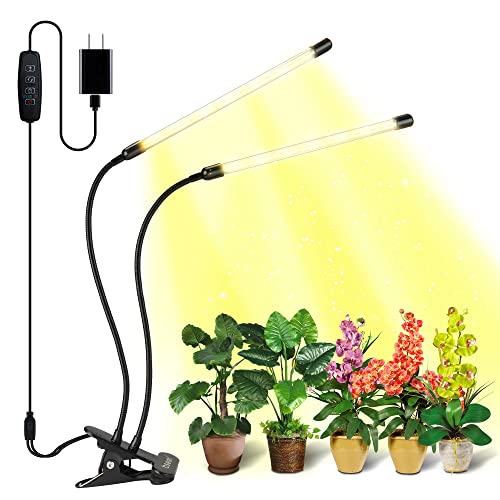
Full Spectrum LED with Yellow and White Combination: Bseah led grow light can promote photosynthesis, germination, growth, flowering and fruiting of plants.

Full spectrum grow light - It emits all the wavelengths from 380nm to 800nm – just like natural sunlight. It has proven effective at promoting indoor growth as it accelerates photosynthesis. Help your indoor plants growing with long using time
Temperature and Humidity
Lettuce prefers cooler temperatures, typically between 60°F and 70°F. For optimal growth, keep temperatures consistent. Sudden temperature fluctuations can stress the plants, leading to undesirable outcomes like bolting.
Humidity levels should fall between 40% and 70%. High humidity promotes fungal diseases while low humidity can cause wilting. Use a hygrometer to monitor humidity. If it’s too high, ensure proper ventilation. Conversely, if it’s too low, consider using a humidifier. Successful lettuce growth requires careful attention to these environmental factors.
Soil and Nutrient Considerations
Lettuce thrives in well-draining soil rich in organic matter. Aim for a soil pH between 6.0 and 7.0. Add compost or organic fertilizers to improve soil quality.
When it comes to nutrients, focus on nitrogen for leafy growth. A balanced fertilizer with a higher nitrogen ratio supports healthy development. Be cautious with nutrient levels; over-fertilization can damage the plants and lead to undesirable flavors. Regularly testing soil can provide insights into nutrient levels, allowing you to make adjustments as needed.
Conclusion
Growing lettuce under 24-hour light might sound appealing but it’s not always the best option. While lettuce can survive in such conditions it’s crucial to strike a balance between light and other environmental factors. Keeping an eye on temperature humidity and soil quality will help you cultivate healthy and tasty lettuce.
Experimenting with light schedules can lead to great results but remember that moderation is key. By understanding your plants’ needs and adjusting accordingly you’ll be on your way to a thriving lettuce garden in no time. Happy growing!
Frequently Asked Questions
How much light does lettuce need to grow?
Lettuce requires 12 to 16 hours of direct sunlight daily for optimal growth. Adequate lighting is crucial as it directly impacts photosynthesis and overall plant health.
What are the best light sources for growing lettuce?
Both natural sunlight and artificial grow lights are effective for growing lettuce. If using artificial lights, LED or fluorescent grow lights are recommended for their energy efficiency and proper spectrum.
What temperature is ideal for lettuce growth?
Lettuce grows best in cooler temperatures between 60°F and 70°F. Maintaining this temperature range helps prevent bolting and promotes healthy, leafy growth.
What humidity levels should be maintained for lettuce?
Lettuce prefers consistent humidity levels between 40% and 70%. Maintaining proper humidity helps prevent stress and diseases while supporting healthy growth.
What type of soil is best for growing lettuce?
Lettuce thrives in well-draining soil with a pH between 6.0 and 7.0. This type of soil allows for proper nutrient uptake and root health.
What type of fertilizer is recommended for lettuce?
Nitrogen-rich fertilizers are recommended for growing lettuce, as they promote leafy growth and overall plant vigor. Always follow package instructions for application rates.
What are the signs of excessive light exposure in lettuce?
Excessive light can cause lettuce to bolt, leading to premature flowering and a bitter taste. Other signs include wilting and yellowing of leaves. Ensure you monitor light exposure to prevent these issues.
How can I monitor and adjust growing conditions for lettuce?
Regularly check light, temperature, humidity, soil pH, and nutrient levels. Use tools like thermometers, hygrometers, and pH meters to measure these factors and adjust them as needed for optimal lettuce growth.
