

Ever wondered if your rain garden could be more than just a pretty sight after a storm? What if I told you it could also be a thriving green bean haven? Imagine stepping outside after a rainfall to not only see a beautiful garden but also harvest fresh green beans for dinner. Sound too good to be true? Well, get ready to be pleasantly surprised!
Picture this: your rain garden, already a sustainable oasis, now doubling as a bountiful source of delicious green beans. Not only are you helping the environment, but you’re also reaping the rewards of your gardening efforts in a unique and practical way. In this article, we’ll explore the exciting possibilities of growing green beans in a rain garden setting and how you can turn your outdoor space into a productive and eco-friendly haven.
Exploring the Idea: Green Beans in a Rain Garden
If you’re wondering whether you can grow green beans in a rain garden, the answer is a resounding yes! Green beans thrive in rain gardens as these environments provide the perfect combination of moisture and drainage. In a rain garden, the excess rainwater is absorbed, preventing runoff that can lead to erosion and pollution.
Recommended Products
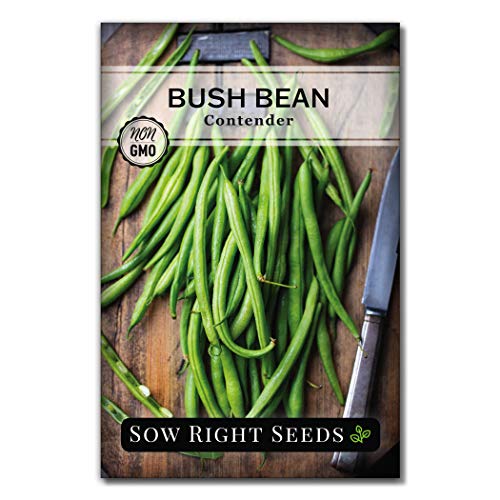
Beautiful - Large premium seed packet of Contender Bush Bean (Phaseolus vulgaris) seeds. Minimum of 16.5g per packet (about 30 seeds). Stringless bush bean that matures early and produces high yields. Adaptable, performing well in short, cool growing seasons or in hot weather. Beans are 5-8" long and retain their flavor when frozen or canned.

5 HEIRLOOM DRY BEAN SEED VARIETIES – Pinto (Phaseolus vulgaris), Fordhook Lima & Jackson Wonder Lima (Phaseolus lunatus), Black-Eyed Pea (Vigna unguiculata), and Chiba Green Soybean (Glycine max); selected for dependable shelling, drying, and food storage use

High Germination Rate: Heirloom seeds sprout in 5–10 days. Ideal greenbeans for USDA zones 3–11, gardens, raised beds, and containers. Blue lake bush bean seeds have been known in the canning industry for years because of its reliability, huge yields and disease resistance.
Benefits of Growing Green Beans in a Rain Garden
- Natural Irrigation: Rain gardens naturally irrigate green beans, reducing the need for extra watering.
- Environmental Impact: Green beans planted in a rain garden contribute to stormwater management and biodiversity.
- Productivity: Enjoy a bountiful harvest of fresh green beans while also promoting a sustainable ecosystem.
Tips for Success
- Choose the Right Spot: Pick a location in your rain garden that receives adequate sunlight for your green beans to thrive.
- Prepare the Soil: Ensure the soil in your rain garden has good drainage and is rich in organic matter.
- Planting: Sow green beans seeds directly into the soil after any risk of frost has passed.
- Maintenance: Regularly check the soil moisture levels and mulch around plants to retain moisture.
- Companion Planting: Consider companion planting with marigolds to deter pests and promote growth.
- Harvesting: Regularly harvest green beans to encourage continuous production throughout the growing season.
Embark on this rewarding journey of growing green beans in your rain garden and witness both the beauty and productivity it brings to your outdoor space.
Benefits of Growing Green Beans in a Rain Garden
Imagine natural irrigation for your green beans, thanks to the optimal moisture levels of a rain garden. These conditions not only benefit your plants but also contribute to environmental sustainability by managing stormwater effectively.
In a rain garden, green beans can thrive, resulting in increased productivity and a bountiful harvest. The combination of water from rain events and well-drained soil creates an ideal growing environment for these vegetables.
Benefits:
- Natural Irrigation: Rain gardens provide consistent moisture for green beans.
- Environmental Impact: Contributes to stormwater management and conservation efforts.
- Productivity: Green beans grow healthily and abundantly in this setting.
With the advantages of a rain garden, you can enjoy a successful and rewarding experience cultivating green beans while supporting a sustainable lifestyle.
Choosing the Right Varieties for Your Rain Garden
When selecting green bean varieties for your rain garden, opt for types that thrive in moist environments and have good disease resistance:
- Bush Beans: Perfect for small spaces, bush beans are compact and don’t require support for growth.
- Pole Beans: These beans love to climb, making them ideal for vertical gardening in rain gardens.
- Stringless Varieties: Look for stringless options for a more enjoyable eating experience.
Ensure your chosen green bean variety is compatible with your region’s climate and growing season to maximize your rain garden’s potential yield.
Recommended Products

🧑🌾 Jade Bush Bean Seeds – A classic bush-type snap bean that grows compactly without the need for trellising. Plants produce straight, deep green pods with a clean snap and tender texture, making them a dependable choice for fresh picking and kitchen use throughout the summer season.

Yard Long beans are easy to grow as long as you have plenty of sunshine & warm weather.About 8-10 days to germinate. 65-75 Days to harvest.Great for beginners and seasoned gardeners alike.
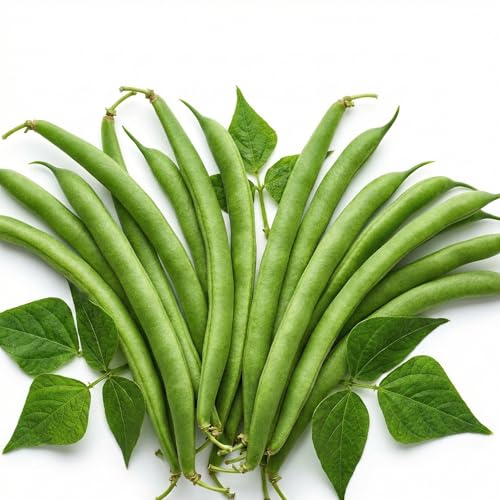
Dependable bush snap bean, Provider green bean (Phaseolus vulgaris); open-pollinated heirloom (released 1966); valued for cooler spring weather performance vs many beans; tender pods for fresh eating, freezing, and canning
Tips for Successfully Growing Green Beans in a Rain Garden
When it comes to growing green beans in a rain garden, there are specific considerations to keep in mind to ensure a successful harvest. Here are some practical tips to help you maximize the potential of your rain garden:
- Choose the right green bean variety: Opt for bush beans for smaller rain gardens or pole beans for vertical spaces. Consider stringless varieties for a better eating experience.
- Plant in well-draining soil: Ensure good drainage in your rain garden to prevent waterlogged soil, which can hinder green bean growth.
- Maintain consistent moisture: While rain gardens are designed to absorb and manage excess water, it’s important to monitor moisture levels for optimal green bean growth.
- Provide adequate sunlight: Green beans thrive in full sun, so make sure your rain garden receives at least 6-8 hours of sunlight each day.
- Support vertical growth: If growing pole beans, install trellises or stakes to support their upward growth and prevent damage to the plants.
- Mulch to retain moisture: Use organic mulch to help retain moisture in the soil and suppress weeds, promoting healthy green bean growth.
- Monitor for pests and diseases: Keep an eye out for common pests like aphids and diseases like powdery mildew. Address any issues promptly to protect your green bean plants.
By following these tips, you can cultivate a thriving green bean crop in your rain garden, enjoying a bountiful harvest of fresh, flavorful beans.
Harvesting and Enjoying Fresh Green Beans from Your Rain Garden
Growing green beans in your rain garden is a rewarding experience, and soon you’ll be able to enjoy a bountiful harvest of fresh, flavorful beans. Here are some tips on harvesting and savoring your homegrown green beans:
- Harvesting Schedule: You’ll want to harvest green beans regularly, every 2-3 days to ensure they are at their peak tenderness and flavor. Look for beans that are firm, smooth, and about the size of a pencil.
- Picking Technique: Gently hold the bean with one hand and use your other hand to snap or cut it off the vine. Avoid pulling or twisting to prevent damaging the plant.
- Storage Tips: Store freshly picked green beans in a perforated plastic bag in the refrigerator. They can last for about 3-5 days before they start losing their freshness.
- Cooking Options: Green beans are versatile and can be enjoyed in various ways. Whether you steam, sauté, roast, or stir-fry them, green beans make a nutritious and delicious addition to any meal.
- Preservation Methods: If you have a surplus of green beans, consider preserving them by freezing or canning. This way, you can enjoy your homegrown green beans long after the harvest season is over.
- Sharing the Harvest: Green beans make wonderful gifts for friends and family. Consider sharing your fresh produce with loved ones to spread the joy of homegrown goodness.
Enjoy the fruits of your labor and relish the satisfaction of growing and enjoying fresh green beans from your rain garden.
Conclusion
Growing green beans in a rain garden setting can be a rewarding experience. By following the tips provided in this article, you can enjoy a bountiful harvest of fresh and flavorful green beans. Remember to choose the right variety, ensure proper drainage, maintain consistent moisture levels, and provide adequate sunlight for your green beans to thrive. Supporting pole beans for vertical growth, using mulch for moisture retention, and monitoring for pests and diseases are key steps in successful green bean cultivation. Harvest your green beans at their peak tenderness every few days, and explore different cooking and preservation methods to enjoy them year-round. Embrace the joy of sharing your homegrown green beans with family and friends, and relish in the satisfaction of growing your own delicious produce in your rain garden. Happy gardening!
Frequently Asked Questions
What are the key tips for growing green beans in a rain garden?
To grow green beans successfully in a rain garden, choose the right variety suitable for your climate, plant in well-draining soil with consistent moisture, ensure adequate sunlight, support vertical growth for pole beans, use mulch for moisture retention, monitor for pests and diseases, and harvest green beans every 2-3 days at peak tenderness.
How often should I harvest green beans from my rain garden?
Harvest green beans from your rain garden every 2-3 days when they are at their peak tenderness and flavor. Consistent harvesting encourages more bean production and prevents them from becoming overripe or tough.
What are some storage and preservation options for green beans?
For storing green beans, keep them in a perforated plastic bag in the refrigerator and use within a few days for optimal freshness. Alternatively, you can blanch and freeze green beans for long-term storage or preserve them through canning methods. Enjoy sharing your green bean harvest with loved ones or using them in various culinary dishes.
