

Ever wondered if you can create a veggie dream team in your garden? Picture this: vibrant orange carrots mingling with crisp cucumbers, all grown with ease right in your backyard. Exciting, right? In this article, we’re diving into the world of companion planting to explore whether carrots and cucumbers can thrive side by side.
Benefits of Companion Planting Carrots and Cucumbers
When growing carrots with cucumbers, there are various benefits to enjoy. Here’s why this veggie dream team is a winning combination:
- Pest Control: Carrots repel carrot flies, while cucumbers deter aphids. Planting them together can help keep pests at bay naturally.
- Space Efficiency: Cucumbers grow vertically, allowing carrots to thrive below. This maximizes space in your garden.
- Nutrient Sharing: Carrots and cucumbers have different root depths, reducing competition for nutrients in the soil.
- Weed Suppression: The dense foliage of cucumbers shades the soil, reducing weed growth and helping to keep your garden tidy.
- Increased Yield: Companion planting promotes optimal growth conditions, potentially leading to a higher yield of both carrots and cucumbers.
- Biodiversity: By planting a variety of crops, you can create a diverse ecosystem in your garden, contributing to overall plant health.
Understanding the Compatibility of Carrots and Cucumbers
When companion planting carrots and cucumbers, you’re tapping into a synergy that can benefit both crops. Carrots thrive when interplanted with cucumbers due to their complementary growth habits.
Carrots grow underground, while cucumbers spread outwards above ground, making efficient use of space. The tall, climbing nature of cucumbers provides natural trellises for the carrots as they mature, supporting their growth without competing for room.
Additionally, carrots’ strong scent can help deter pests that might otherwise bother cucumbers. On the other hand, cucumbers’ sprawling vines can shield the soil, helping to conserve moisture and maintain a more stable soil temperature.
Interplanting these two vegetables encourages a balanced ecosystem in your garden. Carrots and cucumbers work together, promoting a healthier environment that can lead to increased yields and less reliance on pesticides.
Key Points:
| Benefits of Companion Planting carrots and cucumbers |
|---|
| Pest deterrent |
| Space optimization |
| Moisture conservation |
| Enhanced yields |
| Reduced pesticide use |
By planting carrots with cucumbers, you’re not only creating a functional garden but also fostering a dynamic relationship that helps both plants thrive.
Recommended Products
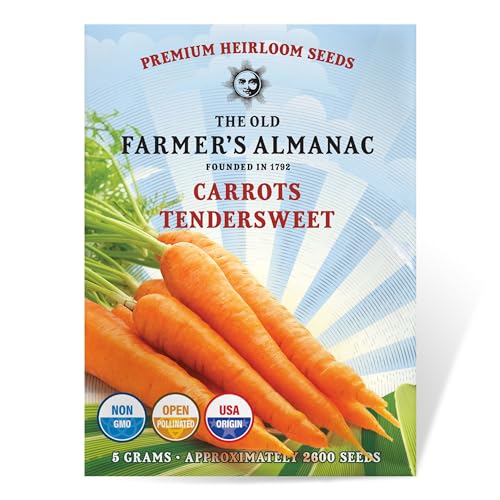
Premium Seeds: Tendersweet heirloom carrot variety offering approximately 2600 seeds for extensive garden planting and multiple growing seasons
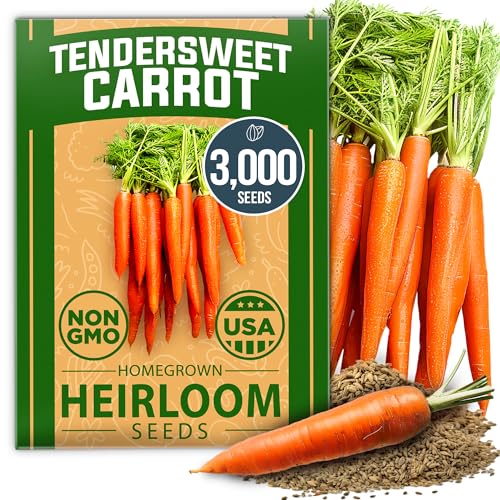
Premium Tendersweet Carrot Seeds: Authentic Open-Pollinated Premium Heirloom Seeds (USA) Non-GMO, Untreated, High Germination Rate. Phenomenal dessert Brix profile. High-impact carotene energy. An outstanding orange monolith for open ground, high ridges, and patio containers. Your garden bed is your pride.

Persian Cucumber: Authentic collectible category seeds. Premium Heirloom (USA): Non-GMO, Untreated, High germination rate. Eastern bestseller! A favorite of commercial gardening and restaurant art. Highly productive vine. Category: Gourmet Snack. The standard of taste, crunch, and sweetness among salad varieties.
Planting Tips for Growing Carrots and Cucumbers Together
When planting carrots and cucumbers together, consider the following tips:
- Companion Planting: Plant carrots and cucumbers next to each other to maximize the benefits they provide to one another.
- Spacing: Ensure proper spacing between plants to avoid overcrowding and allow each crop to thrive.
- Soil Preparation: Prior to planting, ensure the soil is well-draining and rich in organic matter to support healthy growth.
- Sunlight: Provide your garden with adequate sunlight for both carrots and cucumbers to flourish.
- Watering: Maintain consistent moisture levels in the soil to promote healthy root development for both crops.
- Mulching: Mulch around plants to conserve moisture, suppress weeds, and protect the soil.
- Pest Control: Implement natural pest control methods such as companion planting marigolds to deter pests.
- Harvesting: When it’s time to harvest, carefully pull carrots from the soil to avoid damaging surrounding cucumber plants.
- Succession Planting: Consider succession planting to ensure a continuous harvest throughout the growing season.
Following these planting tips will help you successfully grow carrots and cucumbers together and benefit from their synergistic relationship.
| Key Points | Details |
|---|---|
| Companion Planting | Planting carrots and cucumbers together |
| Spacing | Properly spacing plants for optimal growth |
| Soil Preparation | Well-draining soil rich in organic matter |
| Sunlight | Providing adequate sunlight for both crops |
| Watering | Maintaining consistent moisture levels |
| Mulching | Mulching for moisture retention and weed control |
| Pest Control | Implementing natural pest control methods |
| Harvesting | Careful harvesting to avoid damage to plants |
| Succession Planting | Ensuring a continuous harvest throughout the season |
Recommended Products



Managing Pests and Diseases in Carrot-Cucumber Companion Planting
When growing carrots with cucumbers, it’s essential to be proactive in managing pests and diseases to ensure a successful harvest. Here are some tips to help you maintain the health of your plants:
- Monitor Regularly: Keep a close eye on your carrot and cucumber plants for any signs of pests or diseases. Early detection is key to preventing issues from spreading.
- Companion Planting Benefits: Remember that planting these two crops together can offer natural pest control benefits, as certain plants can help deter pests from their companion plants.
- Handpick Pests: If you spot any pests on your plants, such as aphids or caterpillars, consider handpicking them off. This method can be effective for small infestations.
- Introduce Beneficial Insects: Encourage the presence of beneficial insects in your garden, such as ladybugs and lacewings, which can help control pests naturally.
- Practice Crop Rotation: To avoid the buildup of pests and diseases in the soil, rotate your crops each season. This simple practice can disrupt the life cycle of many common garden pests.
- Healthy Soil: Maintaining healthy soil is crucial for plant vitality. Provide adequate nutrients and ensure proper drainage to keep your plants strong and less susceptible to diseases.
Remember, a vigilant and proactive approach to pest and disease management is key to promoting the overall health of your carrot and cucumber plants throughout the growing season.
Harvesting and Enjoying Your Bountiful Carrot and Cucumber Garden
After all the effort you’ve put into growing your carrots and cucumbers, it’s time to reap the rewards.
Harvesting Carrots:
- Pull carrots gently when they reach the desired size.
- Twist the greens off to store them separately.
- Enjoy the crispness and sweetness of freshly harvested carrots in your meals.
Harvesting Cucumbers:
- Cut cucumbers from the vine using scissors or pruners.
- Keep them away from tomatoes to prevent ripening.
- Savor the refreshing flavor of homegrown cucumbers in salads or as snacks.
- Prepare delicious dishes using your freshly harvested carrots and cucumbers.
- Share the joy of homegrown produce with family and friends.
- Celebrate the success of your bountiful garden and start planning for the next season.
With your own homegrown veggies, you’ll experience a flavor and freshness that store-bought produce can’t match.
Conclusion
Enjoy the satisfaction of harvesting your own carrots and cucumbers for fresh, flavorful meals. Remember to gently pull carrots at the right size and store them separately. Cut cucumbers from the vine and keep them away from tomatoes to maintain freshness. Share the joy of homegrown produce with loved ones and celebrate your garden’s success. The unique taste and quality of homegrown vegetables will make your dishes truly special. Look forward to the next growing season with excitement and anticipation. Happy gardening!
Frequently Asked Questions
How should I harvest carrots and cucumbers from my garden?
Harvest carrots by gently pulling them when they reach desired size and store them separately. Harvest cucumbers by cutting them from the vine and keep them away from tomatoes to prevent ripening.
What should I do with the homegrown produce after harvesting?
Savor the freshness of homegrown produce in meals, share the joy with loved ones, celebrate the garden’s success, and look forward to the next season.
How do homegrown vegetables differ from store-bought produce?
Homegrown vegetables offer unique flavors and freshness that surpass store-bought produce, enhancing the overall culinary experience.
