

Ever wondered if tomatoes and cucumbers make good neighbors in your garden? Picture this: you’re planning your vegetable patch, eager to maximize space and yield. But the age-old question remains – can tomatoes be planted next to cucumbers?
Imagine the convenience of having these two popular veggies flourishing side by side. No more trekking back and forth between different plots, just a harmonious garden where tomatoes and cucumbers thrive together.
In this article, you’ll uncover the secrets to successful companion planting of tomatoes and cucumbers. Discover the benefits of this dynamic duo and unlock the potential for a bountiful harvest in your own backyard.
Benefits of Companion Planting
When planting tomatoes next to cucumbers, you unlock a plethora of benefits that can enhance the growth and yield of both plants. Here’s why companion planting these two vegetables is a smart gardening strategy:
- Natural Pest Control: Cucumbers deter pests that typically attack tomatoes, and vice versa. This natural pest control mechanism helps protect both plants without the need for synthetic chemicals.
- Space Optimization: By growing tomatoes and cucumbers together, you maximize garden space and promote efficient land use. This companion planting technique allows you to grow more produce in a limited area.
- Nutrient Sharing: Tomatoes and cucumbers have different root structures and nutrient requirements. Companion planting allows them to share nutrients effectively, leading to healthier plants and improved yields.
- Enhanced Flavor: Some gardeners believe that companion planting tomatoes and cucumbers together can enhance the flavor of both crops. The close proximity of these plants may influence taste and overall quality.
- Easier Maintenance: Growing tomatoes and cucumbers in close proximity makes it easier to tend to both plants simultaneously. You’ll spend less time trekking around the garden and more time enjoying a flourishing harvest.
- Bountiful Harvest: Ultimately, the harmonious relationship between tomatoes and cucumbers leads to a bountiful harvest of fresh, home-grown produce. Companion planting these vegetables can help you achieve a successful and rewarding gardening experience.
| Benefits | Details |
|---|---|
| Natural Pest Control | Tomatoes repel pests such as the cucumber beetle, protecting cucumbers. |
| Space Optimization | Companion planting tomatoes and cucumbers allows for efficient land use. |
| Nutrient Sharing | Both plants share nutrients effectively, leading to healthier growth and higher yields. |
| Enhanced Flavor | Some gardeners report improved taste when tomatoes and cucumbers are grown together. |
| Easier Maintenance | Tending to both plants simultaneously in close proximity saves time and effort. |
Understanding Companion Planting
Companion planting is a garden design technique where different plants are grown near each other to benefit one another. In the case of tomatoes and cucumbers, this method can enhance growth, flavor, and pest control in your garden.
Here’s why planting tomatoes next to cucumbers can be advantageous for your garden:
- Pest Control: Cucumbers repel pests like aphids that often affect tomatoes, reducing the need for chemical pesticides.
- Nutrient Sharing: Tomatoes and cucumbers have different nutrient needs, reducing soil depletion and ensuring healthier plants.
- Space Optimization: The vertical growth of tomatoes can provide natural shading to cucumbers, creating a harmonious environment for both plants.
- Easier Maintenance: Companion planting can simplify garden care by creating a balanced ecosystem that supports plant growth with minimal intervention.
Ideal Conditions for Growing Tomatoes and Cucumbers Together
To successfully grow tomatoes and cucumbers side by side, it’s crucial to consider a few key factors. Here are the ideal conditions for cultivating these companion plants:
- Sunlight: Both tomatoes and cucumbers thrive in full sunlight, so ensure they receive at least 6-8 hours of direct sunlight daily.
- Soil Quality: Plant them in well-draining soil rich in organic matter to promote healthy root development and nutrient absorption.
- Spacing: Maintain a spacing of 12-18 inches between tomato plants and cucumber vines to prevent overcrowding and allow for proper growth.
- Support Structures: Stake your tomatoes to support their upward growth, while providing trellises or cages for cucumbers to climb and spread efficiently.
- Watering: Keep the soil consistently moist but not waterlogged to avoid root rot. Water in the morning to allow foliage to dry out before evening.
- Feeding: Fertilize with a balanced fertilizer or compost regularly to encourage vigorous growth and a bountiful harvest.
- Pest Management: Monitor your plants for signs of pests and diseases. Consider using natural deterrents like marigolds or handpicking insects to protect your crops.
- Rotation: Practice crop rotation annually to minimize disease buildup in the soil and ensure continued success in your garden.
By creating these optimal conditions for your tomatoes and cucumbers, you’ll set the stage for a fruitful and harmonious coexistence between these two compatible plants.
Recommended Products

Provides lightweight yet strong support for tomatoes, beans, peas, and other climbing plants and flowers with a large planter that holds approximately 10 gallons of media while the tower expands to over 4 feet
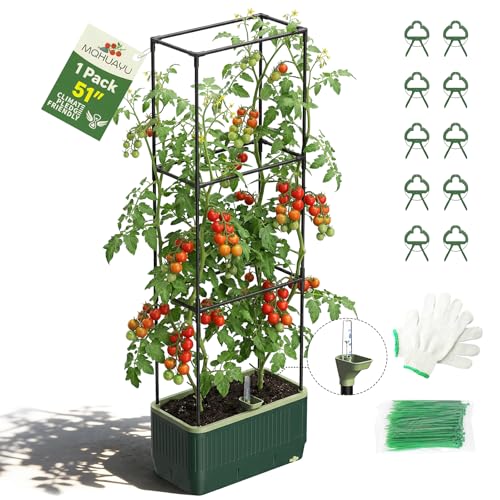
SMART SELF-WATERING & VISUAL GAUGE: Take the guesswork out of watering! Our innovative self-watering system features a deep water reservoir, cotton ropes, and a clear visual water level indicator. You can instantly see when to refill and when it's full, preventing overwatering or root rot. Perfect for busy schedules or weekend getaways, ensuring your plants thrive with minimal effort.

Scientific Design: Bottom Water Reservoir and Air hole circulation system that provides ample moisture to the plants. This reservoir acts as a constant water source and oxygen, promoting healthy root development and overall plant vitality.
Common Pests and Diseases to Look Out For
When planting tomatoes and cucumbers together, it’s essential to be aware of potential pests and diseases that can affect both plants. Here are some common ones to watch out for:
- Aphids: These small insects feed on plant sap and can quickly multiply, causing damage to both tomatoes and cucumbers.
- Whiteflies: They may look harmless, but these pests can transmit viruses to your plants, leading to stunted growth and reduced yield.
- Powdery Mildew: A fungal disease that appears as a white powdery substance on leaves, affecting the plant’s ability to photosynthesize effectively.
- Blossom End Rot: While more common in tomatoes, this disorder can also affect cucumbers, causing dark, sunken spots on the fruit.
- Fusarium Wilt: This soil-borne fungus can infect both tomatoes and cucumbers, causing yellowing of leaves and wilting of plants.
To prevent and manage these issues, consider implementing the following strategies:
- Rotate crops annually to disrupt pest and disease cycles in the soil.
- Inspect plants regularly for any signs of infestation or disease.
- Prune to improve air circulation and reduce the risk of fungal infections.
- Mulch around plants to maintain soil moisture levels and reduce splashing of soil-borne diseases.
- Choose disease-resistant varieties of tomatoes and cucumbers whenever possible.
By staying vigilant and taking proactive steps to address these common pests and diseases, you can help ensure a healthy and productive growing season for your tomatoes and cucumbers.
Recommended Products

3-IN-1 PLANT CARE: 3-In-1 Insect, Disease & Plant Mite Control provides insect control, disease control, and plant mite control all in one; Rainproof protection starts in 4 hours and lasts up to 14 days

3-in-1 FORMULA: Aphid spray for outdoor plants for use on roses, flowers, shrubs and trees to control listed insects, disease and mites

INSECT KILLER: Army worm killer. Also kills insects such as Aphids, Spider Mites, Japanese Beetles, Caterpillars, and other listed insects
Maximizing Yield with Tomatoes and Cucumbers
Planting tomatoes and cucumbers together can offer numerous benefits, including maximizing your yield. Here are some tips to ensure you get the most out of your tomato and cucumber plants:
- Companion Planting: You can plant tomatoes and cucumbers together to maximize space in your garden. The tall, vertical growth of tomato plants can provide natural shade for cucumber vines, reducing water evaporation and protecting the soil.
- Pruning Techniques: Regularly prune both tomato and cucumber plants to improve air circulation, reduce disease risk, and encourage healthier growth. Remove any shaded or damaged foliage to keep your plants thriving.
- Support Systems: Consider using trellises or cages for tomatoes and stakes or vertical supports for cucumbers. These structures can help prevent sprawling, keep fruits off the ground, and make harvesting easier.
- Consistent Watering: Both tomatoes and cucumbers require consistent moisture to thrive. Water your plants deeply and evenly, aiming to keep the soil consistently moist but not waterlogged. Mulching can help retain soil moisture and regulate temperature.
- Fertilization Schedule: Feed your tomato and cucumber plants with a balanced fertilizer to provide essential nutrients throughout the growing season. Avoid over-fertilizing, as it can lead to excessive foliage growth at the expense of fruit production.
| Important Facts |
|---|
| Tomatoes and cucumbers can benefit from companion planting |
| Pruning enhances air circulation and reduces disease risks |
| Proper support systems help maintain plant structure |
| Consistent watering is crucial for healthy plant growth |
| Balanced fertilization promotes fruit development |
Remember, optimizing the growth of your tomatoes and cucumbers by following these tips can lead to a bountiful harvest and a successful gardening experience.
Conclusion
You now have the knowledge to plant tomatoes and cucumbers together successfully in your garden. By implementing companion planting techniques, proper pruning, support systems, consistent watering, and a fertilization schedule, you can ensure healthy growth and minimize disease risks for both plants. Following these strategies will lead to a rewarding gardening experience and a plentiful harvest of delicious tomatoes and cucumbers. Happy gardening!
Frequently Asked Questions
Can I plant tomatoes and cucumbers together in my garden?
Yes, planting tomatoes and cucumbers together is beneficial for maximizing yield. They complement each other by repelling pests and utilizing nutrients effectively.
What are some tips for companion planting tomatoes and cucumbers?
Interplanting marigolds, basil, or nasturtiums with tomatoes and cucumbers can help deter pests naturally. Avoid planting them near potatoes, fennel, or kohlrabi as they can stunt each other’s growth.
How should I prune tomatoes and cucumbers for optimal growth?
Regularly prune tomatoes by removing suckers and lower leaves to improve air circulation and sunlight exposure. Cucumbers benefit from trellising to support vertical growth and reduce disease risks.
What watering schedule should I follow for tomatoes and cucumbers?
Consistent watering is key for tomatoes and cucumbers. Water deeply once or twice a week, ensuring the soil is evenly moist but not waterlogged to promote healthy root development.
How can I fertilize tomatoes and cucumbers properly?
Use a balanced fertilizer rich in nitrogen, phosphorus, and potassium during planting. Side-dress with compost or a slow-release fertilizer throughout the growing season to provide continuous nutrients.
