

Ever wondered if you can grow carrots next to potatoes? Picture this: you’re planning your garden, and you’re not sure which veggies make good neighbors. Well, you’re in the right place! In this article, we’ll explore the intriguing world of companion planting and whether carrots and potatoes can thrive side by side.
Imagine the convenience of harvesting both carrots and potatoes from your own backyard. By learning about the compatibility of these two crops, you could potentially optimize your garden space and yield a bountiful harvest. Exciting, right? Get ready to uncover the secrets of successful gardening with carrots and potatoes as your dynamic duo!
Benefits of Companion Planting
When it comes to companion planting, growing carrots next to potatoes can bring several advantages to your garden. Here are some key benefits to consider:
- Natural Pest Control: Planting carrots alongside potatoes can help deter pests that are attracted to one crop but not the other. For instance, the strong scent of carrots can confuse carrot flies, protecting your potatoes from infestation. This natural pest control can reduce the need for chemical interventions, promoting a healthier garden environment.
- Soil Optimization: Carrots and potatoes have different root structures and nutrient needs. By planting them together, you can utilize the garden space more efficiently. The deep-reaching carrot roots can break up the soil, allowing potatoes to access nutrients from deeper layers. This symbiotic relationship promotes soil health and can enhance overall crop productivity.
- Maximized Yield: Growing carrots and potatoes side by side enables you to maximize your harvest yield from a limited garden space. Both crops can thrive together without competing for the same resources. This efficient use of space can lead to a greater variety of fresh produce for your table.
- Crop Rotation Benefits: Alternating planting locations of carrots and potatoes each year can help prevent the buildup of soil-borne diseases specific to each crop. This practice aligns with the principles of crop rotation, enhancing the long-term health and fertility of your garden soil.
By harnessing the benefits of companion planting with carrots and potatoes, you can create a harmonious garden ecosystem that promotes growth, deters pests, and boosts your overall harvest.
Recommended Products

African Crackerjack Marigold Seeds Mix – Exclusive Selection: Premium Heirloom (USA): Non-GMO, Untreated seeds, High germination rate. Architectural scale, grand plasticity and textural luxury of inflorescences, palette expression. Status: designer landscaping for conceptual eco-gardens. Botanical resource of the highest order, colossal starting energy, and varietal superiority.

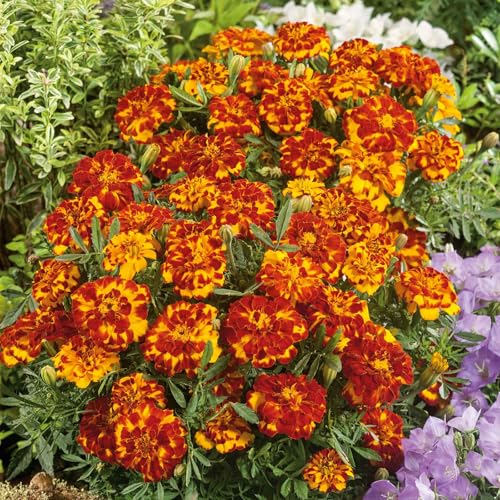
Annual; Strong colors dance across the petals
Characteristics of Carrots
- Roots: Carrots have long taproots that can help break up compacted soil, allowing for better aeration and water absorption.
- Nutrient Needs: Carrots require well-draining soil rich in organic matter and potassium to support their root development.
- Pest Resistance: Carrots are known to repel pests like aphids and nematodes, reducing the risk of infestations in your garden.
- Complementary Growth: The slender growth habit of carrots complements the bulkier potato plants, allowing for efficient use of garden space.
- Variety: Carrots come in various colors and sizes, offering both visual appeal and culinary versatility in your garden.
Characteristics of Potatoes
When considering growing carrots next to potatoes, it’s crucial to understand the characteristics of both plants. Here, let’s delve into the key traits of potatoes:
- Versatile Tubers: Potatoes are renowned for their versatility in culinary dishes. From creamy mashed potatoes to crispy fries, they offer a wide range of delicious options.
- Nutrient-Rich: Potatoes are a good source of vitamin C, potassium, and fiber, making them a nutritious addition to your diet.
- Different Varieties: You’ll find various types of potatoes, such as russet, red, and Yukon Gold, each with its unique flavor and texture.
- Growing Needs: Potatoes thrive in well-drained, loose soil with a pH of around 5.8-6.5. They require consistent watering, especially during the tuber formation stage.
- Planting Depth: Plant potatoes in trenches around 4-6 inches deep. As the plants grow, gradually mound soil around the stems to promote tuber development.
- Harvesting Time: Harvest potatoes when the crops have matured, typically 2-3 weeks after the plants flower. You can check for readiness by gently digging around the base of the plant to find mature tubers.
- Storage Tips: After harvesting, store potatoes in a cool, dark place to prevent sprouting and prolong their shelf life.
- Companion Planting: Potatoes thrive alongside plants like corn, beans, and cabbage, while they should not be planted near cucumbers or tomatoes due to potential disease transmission.
By understanding potatoes’ characteristics, you can make informed choices when planning your garden layout alongside your carrots.
Companion Planting Guidelines for Carrots and Potatoes
When considering whether you can grow carrots next to potatoes, it’s essential to understand how these two crops can interact in the garden. Companion planting is a strategy used to maximize space, deter pests, and improve overall yields. Here are some guidelines to help you successfully plant carrots and potatoes together:
- Beneficial Qualities: Carrots and potatoes have different growth habits, which can complement each other. Carrots are root vegetables that grow underground, while potatoes are tubers that grow from the plant’s stem. Planting them together can help optimize space in your garden.
- Spacing: Ensure proper spacing between carrots and potatoes to prevent competition for nutrients and water. Plant carrots in rows with enough distance between each plant. Potatoes can be planted in hills or mounds, allowing for adequate spacing between the plants.
- Pest Control: Carrots and potatoes have specific pests they are susceptible to. By planting them together, you can help naturally repel pests that target either crop. For example, the strong aroma of carrots can deter potato beetles that may harm your potato plants.
- Companion Planting Options: Consider planting companion plants that benefit both carrots and potatoes. For example, marigolds can help deter pests and improve soil quality for both crops. Onions and garlic are also good companion plants that can enhance the flavor of carrots and potatoes.
- Harvesting: When planning to harvest carrots and potatoes grown together, be mindful of the different harvest times. Carrots are typically ready for harvest sooner than potatoes. Carefully dig up potatoes without disturbing the carrot roots.
Recommended Products
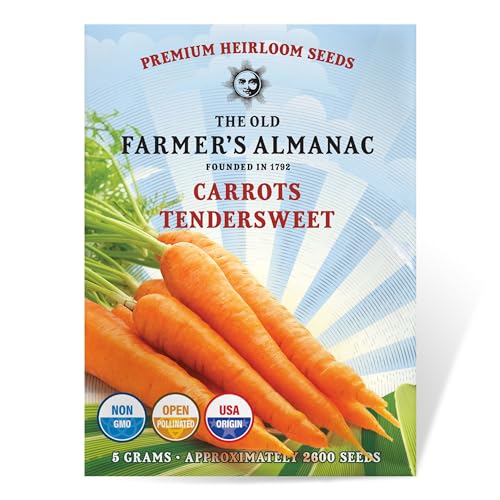
Premium Seeds: Tendersweet heirloom carrot variety offering approximately 2600 seeds for extensive garden planting and multiple growing seasons
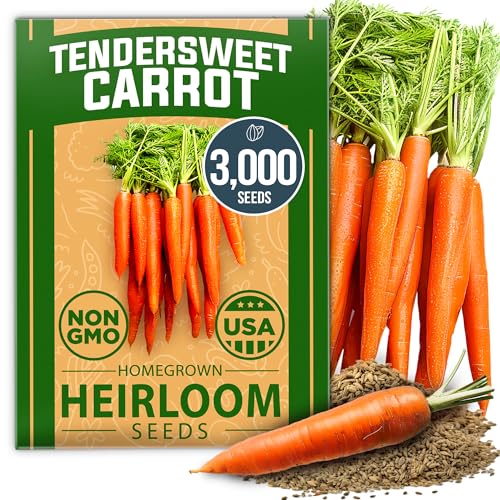
Premium Tendersweet Carrot Seeds: Authentic Open-Pollinated Premium Heirloom Seeds (USA) Non-GMO, Untreated, High Germination Rate. Phenomenal dessert Brix profile. High-impact carotene energy. An outstanding orange monolith for open ground, high ridges, and patio containers. Your garden bed is your pride.

Early, high-yield snap peas: Super Sugar Snap (also known as mangetout) bears plumper, crisp pods sooner than standard sugar snap peas; 64 days to maturity. Ideal vegetable seeds for productive beds, patios, and family gardens.
Tips for a Successful Carrot and Potato Garden
- Proper Spacing: Plant carrots and potatoes at least 12 inches apart to prevent competition for nutrition.
- Consider Growth: Carrots grow underground, while potato plants expand above and below ground – a match made in garden harmony.
- Utilize Companion Plants: Include marigolds, onions, or garlic to enhance growth and flavor while deterring pests.
- Plant Seasonally: Sow carrots in early spring and late summer, while potatoes prefer early spring or late fall.
- Harvest Strategically: Harvest carrots when young for sweetness, and potatoes when the plant foliage withers.
Recommended Products

Vibrant Colors: Red, purple, white, yellow & orange rainbow carrots; 90%+ germination rate. Rainbow carrot seeds for planting thrive in USDA 3‑11, ideal for growing carrots fresh for juicing & fresh snacks.

Beautiful – Large premium packet of Tendersweet Carrot (Daucus var. 'Tendersweet') seed. Sweet, tender, and flavorful, Tendersweet is a deep orange carrot that grows in an attractive tapered shape. The long roots reach 7-9 inches and have a diameter of 1-2 inches. These carrots have a fine-grained texture and are nearly coreless. Minimum of 800 mg per packet (about 525 seeds).

Sweet, Coreless Roots - Scarlet Nantes produces tender, cylindrical 6-7 inch carrots with smooth skin and fine-grained flesh; a classic French heirloom (Daucus carota) dating to the 1850s, prized for fresh snacking, juicing, roasting, and root cellar storage unlike woody, tapered varieties
Conclusion
You now have the knowledge to create a thriving garden with both carrots and potatoes. Remember the importance of spacing them properly to avoid competition for nutrients. By understanding their growth habits and utilizing companion plants, you can enhance their development and deter pests. Plant carrots in early spring or late summer, and potatoes in early spring or late fall for optimal growth. Harvest your carrots when they’re young for maximum sweetness, and wait until the potato plant foliage withers before harvesting. With these tips in mind, you’re on your way to a successful carrot and potato garden. Happy gardening!
Frequently Asked Questions
What is the recommended spacing for planting carrots and potatoes in a garden?
It is advised to plant carrots and potatoes at least 12 inches apart to avoid nutrient competition.
How do the growth habits of carrots and potatoes complement each other?
Carrots grow underground, while potatoes expand both above and below ground, making them compatible for co-cultivation.
Which companion plants can be used to enhance the growth of carrots and potatoes?
Marigolds, onions, or garlic can be planted alongside carrots and potatoes to boost growth, flavor, and discourage pests.
When is the best time to plant carrots and potatoes in a garden?
Carrots should be planted in early spring and late summer, while potatoes prefer to be planted in early spring or late fall.
When should carrots and potatoes be harvested?
Carrots are best harvested when young for sweetness, whereas it is recommended to wait until the plant foliage withers before harvesting potatoes.
