

Ever wondered why your carrot leaves develop mysterious white spots? Picture this: you’re tending to your garden, excited to see your carrots thrive, only to find these puzzling marks on the leaves. What could be causing them? Don’t worry, you’re not alone in this garden mystery.
In this article, you’ll uncover the secrets behind those enigmatic white spots on your carrot leaves. By understanding the root causes, you’ll be equipped to protect your carrot crop and ensure a bountiful harvest. Let’s dive in and shed light on this common issue together.
Understanding White Spots on Carrot Leaves
When it comes to white spots on carrot leaves, understanding the root causes is crucial for maintaining a healthy crop. Let’s delve into the factors that contribute to this phenomenon.
- Fungal Infections: Fungal diseases such as powdery mildew can manifest as white spots on carrot leaves. These pathogens thrive in humid conditions, spreading easily among plants.
- Insect Damage: Pests like aphids and mites can feed on carrot leaves, causing small white spots where they pierce the plant to extract sap. Regular monitoring can help in early pest detection.
- Environmental Stress: Stressors like extreme temperatures or inadequate sunlight can weaken carrot plants, making them more susceptible to white spots and other issues.
- Preventive Measures: To protect your carrot crop, ensure adequate air circulation, proper watering, and timely removal of infected leaves. These practices can help prevent the spread of diseases.
- Natural Remedies: Consider using organic fungicides or insecticidal soaps to control fungal infections and pest damage, respectively. Neem oil is a popular natural remedy that can combat both issues effectively.
- Crop Rotation: Rotating your crops can help break the life cycle of pests and diseases, reducing the likelihood of white spots recurring in future plantings.
By understanding the underlying causes of white spots on carrot leaves and implementing preventive measures, you can safeguard your crop and enjoy a bountiful harvest.
Identifying Common Culprits
When identifying the common culprits behind white spots on your carrot leaves, it’s essential to consider a few key factors. Here are some potential causes to help you determine the root of the issue:
- Fungal Infections: One of the primary reasons for white spots on carrot leaves is powdery mildew. This fungal infection thrives in warm, humid conditions, leaving a powdery white residue on the leaves.
- Insect Damage: Pests like aphids can also cause white spots on carrot leaves. These tiny insects feed on plant sap, leading to discoloration and damage to the leaves.
- Environmental Stress: Factors such as excessive heat, poor air circulation, and inconsistent watering can stress the plants, making them more susceptible to developing white spots.
To effectively address these issues, it’s crucial to inspect your carrot plants regularly and take action promptly to prevent further damage.
Recommended Products

TREATS AND CONTROLS PLANT DISEASE - Maintain the health of your plants with Earth’s Ally fungicide spray. Tackle common plant diseases including powdery mildew, downy mildew, blight, canker, black spot and leaf spot. Also functions as a complete fungicide, giving your plants all-in-one disease protection.

MAXIMIZE YIELDS – This outdoor and indoor plant fungicide kills and prevents common plant pathogens, including powdery mildew, alternaria blight root rot, crown rot, and stem rot. When unavailable, use Earth’s Ally Disease Control, which provides the same proven fungicide protection.
Fungal Infections: A Closer Look
When it comes to white spots on carrot leaves, fungal infections are a common culprit. One of the most prevalent fungal diseases affecting carrots is powdery mildew. This fungal infection presents itself as white, powdery spots on the leaves, often spreading rapidly if not addressed promptly.
Prevention is key when dealing with fungal infections. Ensure good air circulation around your plants by spacing them adequately. Additionally, avoid overhead watering to reduce the chances of fungal spores spreading.
If you notice signs of powdery mildew on your carrot leaves, consider using neem oil or sulfur-based fungicides to combat the infection. Remember to apply these treatments according to the instructions on the label for effective results.
Recommended Products
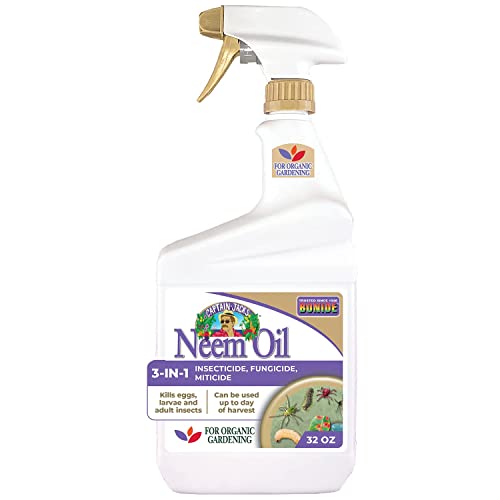
Protect your oasis with 3 garden products in 1 from Captain Jack’s; Bonide Captain Jack’s Ready-to-Use Neem Oil spray for plants is a multi-purpose fungicide, insecticide and miticide for your lawn & garden

3 GARDEN PRODUCTS IN 1: Fungicide, insecticide & miticide kills eggs, larvae & adult stages of insects

FOR ORGANIC GARDENING - Captain Jack's NeemMax is a perfect pest control solution for any garden dealing with mites, flies, mildew, and more. This product is a four-in-one insecticide, fungicide, miticide, and nematicide.
Preventive Measures for Healthy Carrot Leaves
When it comes to protecting your carrot plants from developing white spots, there are several preventive measures you can take to promote healthy growth. Here are some effective strategies to keep your carrot leaves looking vibrant and spot-free:
- Maintain Proper Air Circulation: Regularly prune any dense foliage around your carrot plants to improve ventilation and reduce humidity, which can create an ideal environment for fungal growth.
- Water Carefully: Avoid overhead watering to prevent excess moisture on the leaves. Instead, water at the base of the plants in the morning to allow the foliage to dry out during the day.
- Inspect Regularly: Take time to inspect your carrot leaves for any early signs of white spots or fungal infections. Early detection can help you address the issue before it spreads.
- Practice Crop Rotation: Rotate the location of your carrot crop each season to reduce the build-up of pathogens and pests in the soil that can lead to disease.
- Mulch Wisely: Use organic mulch to cover the soil around your carrot plants, which can help retain moisture and prevent splashing of soil-borne pathogens onto the leaves.
By implementing these preventive measures, you can significantly reduce the likelihood of white spots appearing on your carrot leaves and ensure a healthy growing environment for your plants.
| Strategy | Action |
|---|---|
| Maintain Proper Air Circulation | Regularly prune dense foliage to improve ventilation and reduce humidity. |
| Water Carefully | Avoid overhead watering and water at the base of plants in the morning. |
| Inspect Regularly | Check leaves for early signs of white spots or fungal infections. |
| Practice Crop Rotation | Rotate the location of your carrot crop each season to reduce pathogen build-up. |
| Mulch Wisely | Use organic mulch to cover soil and prevent soil-borne pathogens from reaching the leaves. |
Recommended Products

3-in-1 FORMULA: Aphid spray for outdoor plants for use on roses, flowers, shrubs and trees to control listed insects, disease and mites

CURES & PREVENTS LAWN DISEASES: Fungus Control for Lawns controls and prevents listed lawn diseases when used as directed; Can be used on all lawn types; Use only on lawns
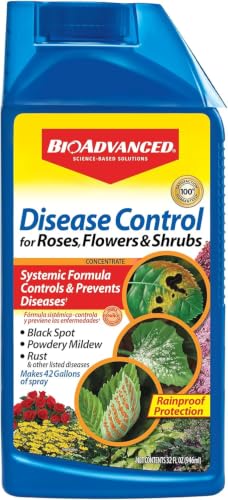
SYSTEMIC PLANT DISEASE CONTROL: Disease Control for Roses, Flowers, and Shrubs is a systemic formula that cures and prevents listed diseases for roses, flowers, shrubs, or even houseplants (treated outside)
Conclusion
By following these simple steps, you can maintain healthy carrot leaves and minimize the occurrence of white spots. Remember to keep the foliage well-pruned, avoid watering from above, regularly check for any signs of trouble, rotate your crops, and use organic mulch to protect against soil-borne pathogens. These practices will go a long way in creating an optimal environment for your carrot plants to thrive. Happy gardening!
Frequently Asked Questions
How can I prevent white spots on my carrot leaves?
To prevent white spots on carrot leaves, ensure proper air circulation by pruning dense foliage, avoid overhead watering, inspect leaves regularly for early signs of issues, practice crop rotation, and use organic mulch to deter soil-borne pathogens.
Why is air circulation important for maintaining healthy carrot leaves?
Proper air circulation helps prevent the development of white spots on carrot leaves by reducing humidity levels, which can create an environment conducive to fungal growth. Pruning dense foliage promotes airflow, minimizing the risk of disease.
How often should I inspect my carrot leaves for issues?
It is recommended to inspect your carrot leaves regularly, at least once a week, to detect any early signs of white spots or other problems. Early detection allows for prompt action to prevent further damage.
What is crop rotation, and how can it help prevent white spots on carrot leaves?
Crop rotation involves planting different crops in a specific order to reduce the build-up of pathogens in the soil. By rotating crops, you can lower the risk of disease, including the development of white spots on carrot leaves.
Why is organic mulch beneficial for preventing soil-borne pathogens from reaching carrot leaves?
Organic mulch acts as a physical barrier between the soil and the carrot leaves, helping to prevent the spread of soil-borne pathogens. It also retains moisture, regulates soil temperature, and improves soil structure, creating a healthier growing environment for the plants.
