

Ever wondered how to grow fresh, crunchy carrots right in your own backyard? Picture this: you step outside, pluck a vibrant carrot from your vertical garden, and add it to your dinner plate. Exciting, right? In this article, you’ll discover the secrets to cultivating delicious carrots in a vertical garden – no green thumb required!
Have you ever faced the challenge of limited gardening space but dreamt of harvesting your own homegrown carrots? Say goodbye to traditional gardening woes and hello to vertical gardening magic! By the end of this read, you’ll be equipped with practical tips and tricks to nurture thriving carrot plants in a vertical setup, bringing nature’s bounty closer to you.
Benefits of Growing Carrots in a Vertical Garden
Vertical gardening offers numerous advantages for cultivating carrots. Here are some key benefits:
- Space Efficiency: Vertical gardens maximize your growing area, ideal for small spaces or urban settings.
- Better Pest Control: Elevated planters can help reduce pests and diseases that commonly affect ground-level crops.
- Improved Drainage: Vertical setups typically have good drainage, preventing waterlogging and root rot.
- Easier Harvesting: Harvesting carrots from an elevated garden is more convenient and back-friendly.
- Enhanced Aesthetics: Vertical gardens can add a decorative touch to your space while producing fresh vegetables.
Incorporating a vertical aspect into your carrot garden not only saves space but also offers practical benefits that contribute to a successful harvest.
Choosing the Right Carrot Varieties for Vertical Gardening
When selecting carrot varieties for your vertical garden, consider factors such as size, shape, and growth speed. Here are some popular choices:
- Short and Round Carrots: Ideal for shallow containers and vertical planters with limited depth.
- Nantes Carrots: Cylindrical and sweet, suitable for compact spaces and vertical planters.
- Miniature Carrots: Perfect for vertical gardens as they don’t require deep soil for growth.
Remember to pick varieties that are suitable for container gardening and have a quick maturation time for a successful vertical carrot garden.
Building and Setting Up Your Vertical Garden for Carrots
When building your vertical garden for carrots, start by choosing a sunny location that receives at least 6-8 hours of sunlight daily. Here are some practical tips for setting up your vertical garden:
- Select a sturdy structure: Ensure your vertical garden can support the weight of the soil and carrots as they grow.
- Use quality soil: Opt for well-draining soil rich in organic matter to promote healthy carrot growth.
- Consider drainage: Make sure your vertical garden has proper drainage to prevent waterlogging.
- Plant spacing: Space carrot seeds or seedlings according to the variety’s recommended spacing for optimal growth.
To set up your vertical garden effectively, plan for irrigation needs by considering a drip irrigation system or regular watering schedule to keep the soil consistently moist. Additionally, mulching can help retain soil moisture and deter weeds.
| Important Information | Data |
|---|---|
| Recommended sunlight hours for vertical gardens | 6-8 hours/day |
| Ideal soil drainage for carrot growth | Well-draining |
| Significance of spacing for carrot planting | Optimal growth |
Recommended Products
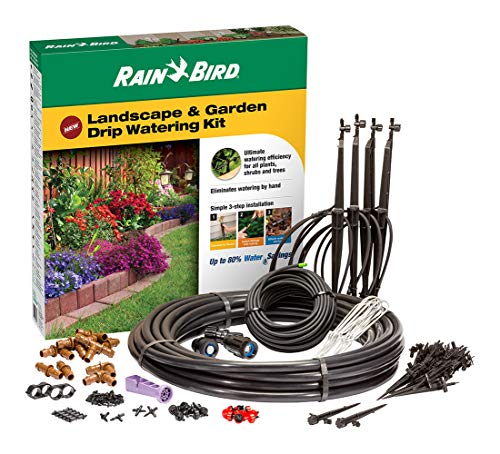
Comprehensive 108-piece kit for flower beds, gardens and landscaped areas; eliminates hand watering, saves time and money

Automatic Drip Irrigation System Kit: The universal connector adapts to different tubing sizes with a secure, leak-free fit; the dual-channel connector splits a single line into two separate watering paths for multi-zone irrigation. The garden bed watering system includes 100FT 1/4" Water Pipe, Cable Ties x 24, Universal Connector x 1, Dual Channel Connector x 1, Quick Tees x 24, Sealing Tape x 1, Fixing Clips x 24, End Plus x 4, and Brass Nozzles x 24. Simply unbox and start building automatic misting system.
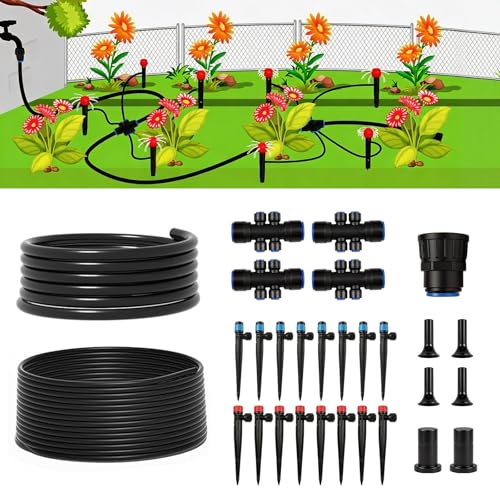
TRUE QUICK CONNECT – NO LEAKS, NO STRUGGLE: Unlike traditional kits that require twisting and force-fitting, our quick-connect design lets you simply push tubing into place. Secure, leak-resistant connections every time — no tools needed.
Tips for Maintaining Healthy Carrot Plants
Growing carrots in a vertical garden comes with its own set of challenges, but with proper care and attention, you can ensure healthy and thriving carrot plants. Here are some valuable tips to help you maintain the health of your carrot crop:
- Consistent Watering: Ensure your carrot plants receive consistent moisture. Carrots need regular watering to develop properly. Check the soil moisture regularly and water whenever the top inch of soil feels dry.
- Fertilize Wisely: Use a balanced fertilizer to provide essential nutrients for healthy carrot growth. Avoid over-fertilizing, as this can lead to forked or misshapen carrots.
- Thinning Seedlings: Once your carrot seedlings have sprouted, thin them out to ensure adequate spacing for root development. Overcrowding can result in stunted carrots.
- Watch for Pests: Keep an eye out for common pests like carrot rust flies and aphids. Consider using natural pest control methods to protect your carrot plants.
- Mulching: Mulch around your carrot plants to retain moisture and suppress weed growth. Mulching also helps regulate soil temperature, ensuring optimal growing conditions for your carrots.
- Regular Harvesting: Harvest carrots at the right time to prevent them from becoming woody or bitter. Carrots are typically ready for harvest between 60-80 days after planting, depending on the variety.
Recommended Products

Space-Saving : This strawberry planter maximizes your gardening space by stacking 5 layers to grow more plants in a compact area. The strawberry tower planter is ideal for patios, balconies, or indoor use


OUR PLANTERS STAND ALONE: Our patented self-watering system is the pioneer of the Stacking Planter industry!
Harvesting and Enjoying Your Homegrown Carrots
To truly savor the fruits of your labor, it’s crucial to harvest carrots at the right time. Here’s some guidance on when and how to harvest and enjoy your bountiful carrots:
- Timing is Key: Most carrot varieties are ready for harvest around 60-80 days after planting.
- Inspect Carefully: Gently pull up a few carrots to check for size and color. Carrots are typically ready when they have reached a deep orange hue.
- Harvesting Technique: To avoid damage, gently loosen the soil around the carrot with a trowel or garden fork before pulling it up by the green tops.
Once you’ve harvested your homegrown carrots, the fun part begins – enjoying them in various ways:
- Fresh and Crispy: Rinse your carrots well and enjoy them raw for a refreshing snack.
- Cooked Delights: Incorporate your harvest into delicious dishes like roasted carrots, carrot soups, or stir-fries for a flavorful meal.
- Preservation: If you have a surplus, consider freezing or pickling your carrots to enjoy them later in the year.
Conclusion
Now that you’ve learned the ins and outs of harvesting and enjoying your homegrown carrots, you’re all set to savor the rewards of your vertical garden efforts. Remember to assess the size and color of your carrots before gently pulling them up to ensure the best quality. Whether you prefer them fresh, cooked in various dishes, or preserved for later use, there are plenty of delicious ways to enjoy your harvest. By following these tips, you can make the most of your vertical garden and relish the satisfaction of growing your own carrots. Happy gardening!
Frequently Asked Questions
When is the best time to harvest homegrown carrots?
Carrots are ready for harvest when they reach maturity, usually around 2-3 months after planting. Check for the desired size and color before pulling them up gently.
How should I harvest homegrown carrots to avoid damage?
To prevent damage, gently loosen the soil around the carrot and pull it up by the green tops. Avoid yanking or twisting the carrot to prevent breakage.
What are some ways to enjoy freshly harvested carrots?
Freshly harvested carrots can be enjoyed raw as snacks, or cooked in dishes like soups, stir-fries, or salads. They can also be preserved by freezing or pickling for later use.
