

Ever wondered if your carrots are secretly craving compost? Picture this: you diligently tend to your garden, but those carrots just don’t seem to thrive as you hoped. Could it be that they’re missing out on the compost love they need to flourish? In this article, you’ll uncover the secrets behind whether carrots truly appreciate a good dose of compost.
Imagine a world where your carrots grow plump and vibrant, standing out in your garden like prized possessions. By understanding the relationship between carrots and compost, you can unlock the potential for a bountiful harvest. Get ready to dive into the world of gardening wisdom and discover how enriching your soil with compost could be the key to transforming your carrot-growing experience.
Get ready to embark on a journey that will not only nurture your carrots but also elevate your gardening game. Unravel the mystery of whether carrots truly thrive on compost and learn how this simple practice can make a world of difference in your garden.
Benefits of Compost for Carrots
When it comes to growing healthy and vibrant carrots, incorporating compost into your gardening routine can truly make a difference. Here are some key benefits of using compost for your carrot crops:
- Improved Soil Structure: Compost helps to improve soil texture by enhancing its porosity, aiding in better root development for your carrots.
- Nutrient-Rich Soil: Organic matter in compost adds essential nutrients to the soil, leading to healthier and more nourished carrots.
- Enhanced Water Retention: Compost acts as a sponge, retaining moisture in the soil which is crucial for consistent growth of your carrots.
- Natural Pest Control: By encouraging beneficial microbial activity, compost can help in reducing pest issues for your carrot plants.
- Reduced Disease Risks: Healthy soil from compost provides a strong foundation for your carrots, making them more resilient to diseases.
- Sustainable Gardening: Utilizing compost is a planet-friendly way to nourish your carrots, contributing to environmental sustainability.
- Cost-Effective Option: Making your own compost or purchasing it in bulk can be a cost-effective solution for enriching your soil.
Incorporating compost into your gardening practices can truly work wonders for the health and yield of your carrots.
Recommended Products

100% Organic & Peat-Free: Our compost mix is 100% organic & peat-free. Peat is one of Mother Nature’s most important stores of carbon. Instead of imported peat, the base of our soils is made from upcycled plant matter or wood fines from the United States!


DESIGNED FOR HERBS: Rosy Soil's organic potting mix for herbs is formulated for basil, thyme, mint, parsley, cilantro, lavender, rosemary, and more - indoors on a windowsill or outside in a planter; biochar, worm castings, and mycorrhizae work together to build strong roots, improve nutrient uptake, and support fuller, more flavorful harvests
Understanding Carrot Growth Needs
Carrots thrive in loose, well-draining soil.
Compost enhances soil structure, allowing carrots to grow long and straight.
Rich in nutrients, compost supplies essential elements for healthy carrot development.
Improved water retention from compost helps carrots withstand dry spells.
Organic matter in compost attracts beneficial insects that control pests naturally.
Lower disease risks with compost’s ability to suppress soil-borne diseases.
Sustainable gardening with compost reduces environmental impact.
Cost-effective method to enrich soil and boost carrot yield.
| Benefits of Compost for Carrots |
|---|
| Enhanced soil structure |
| Essential nutrients supply |
| Improved water retention |
| Natural pest control |
| Reduced disease risks |
| Sustainable gardening practices |
| Cost-effective soil enrichment |
How to Incorporate Compost in Carrot Planting
When planting carrots, incorporating compost is crucial for successful growth. Here are some simple steps to help you integrate compost effectively:
- Prepare the Soil: Before planting, mix compost evenly into the top layer of soil where carrots will be planted.
- Avoid Fresh Compost: Use compost that has composted for at least six months to prevent nutrient imbalances.
- Create Furrows: Dig shallow furrows in the soil and add a thin layer of compost at the bottom.
- Plant Carrot Seeds: Sow your carrot seeds in the furrows and lightly cover them with soil.
- Top Dressing: As the carrots grow, consider top dressing with a light application of compost to fortify the soil.
By following these steps, you can ensure that your carrots receive the benefits of compost throughout their growth cycle.
Recommended Products

NUTRIENT-RICH GROWTH: Premium cow manure compost packed with nitrogen, calcium, and iron. This organic compost fertilizer enriches soil, boosts microbial life, and supports bigger vegetables, greener lawns, and thriving flowers.
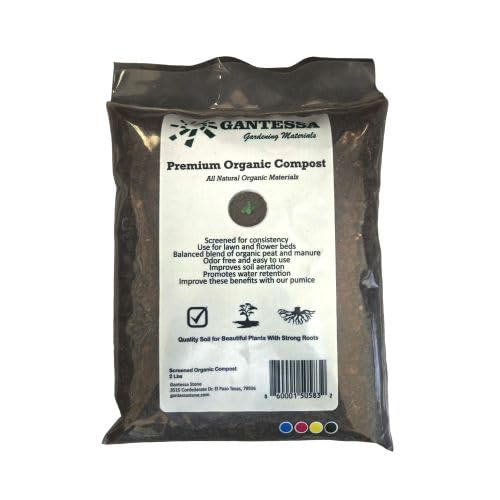
Manure Compost
Signs that Carrots Like Compost
So, how can you tell if your carrots are thriving with the compost you’ve provided? Here are some signs to look out for:
- Vibrant Growth: Carrots that are benefiting from compost tend to exhibit vibrant and healthy green foliage.
- Strong Root Development: Compost supports carrots in developing strong and extensive root systems, crucial for healthy growth.
- Improved Soil Structure: When carrots are happy with the compost, you’ll notice improved soil structure that is loose and crumbly, allowing root penetration and water retention.
- Bountiful Harvest: A clear sign that your carrots appreciate the compost is a bountiful harvest of plump, flavorful roots.
Keeping an eye out for these signs will help you gauge the success of incorporating compost into your carrot planting routine.
Recommended Products

LST Design for Growers: The potato growing containers have built-in metal rings, perfect for promoting even light exposure and bigger, better yields. Just thread zip ties through the rings, no cutting or DIY needed

【10 Gallon Planting Container】With its lightweight non-woven material, our 10 gallon grow bags for potatoes provides an ideal solution for growing a wide variety of plants. Their ample size creates a stable and nurturing environment, promoting the healthy growth of both vegetables and flowers.
Conclusion
So, there you have it! By incorporating compost into your carrot planting, you can witness a plethora of benefits such as vibrant growth, strong roots, improved soil structure, and a delicious harvest. Keep an eye out for these positive signs to ensure your carrots are thriving with the help of compost. Happy gardening!
Frequently Asked Questions
Why is compost important for planting carrots?
Compost enriches the soil with essential nutrients, improves soil structure, and enhances moisture retention, promoting healthy carrot growth.
How can I tell if my carrots are benefiting from compost?
Signs that your carrots are thriving from compost include vibrant growth, healthy green foliage, strong root development, loose and crumbly soil structure, and a bountiful harvest of flavorful roots.
