

Ever wondered if you can plant cucumbers and peppers together in your garden? Imagine the convenience of growing two of your favorite veggies side by side, saving space and effort. In this article, discover the secrets to successfully pairing cucumbers and peppers in your garden.
Picture this: you’re in your backyard, dreaming of a bountiful harvest of fresh cucumbers and vibrant peppers. By learning how to plant them together, you can optimize your garden space and create a thriving ecosystem for these delicious crops.
Get ready to unlock the benefits of companion planting as we delve into the world of growing cucumbers and peppers together. From maximizing yield to enhancing flavors, this article will guide you on your journey to a fruitful and harmonious garden.
Benefits of Companion Planting
Incorporating companion planting in your garden offers various advantages:
- Natural pest control: Certain plant pairings help repel pests, reducing the need for chemical interventions.
- Improved soil health: Mixing crops like cucumbers and peppers can enhance soil fertility and structure over time.
- Maximized space: By interplanting compatible crops, you can make the most of your garden’s available space.
- Biodiversity boost: Diverse plantings attract beneficial insects, creating a more balanced ecosystem.
- Enhanced flavor: Companion planting can also influence the taste and nutritional content of the harvested produce.
Overall, combining cucumbers and peppers in your garden not only harmonizes growth but fosters a sustainable and flourishing environment for your crops.
Understanding Cucumber and Pepper Growing Conditions
When planting cucumbers and peppers together, it’s crucial to understand their individual growing conditions to ensure a successful harvest. Here’s what you need to know:
- Watering: Both cucumbers and peppers thrive in consistent moisture, so make sure to water them regularly, especially during dry spells.
- Sunlight: Aim for at least 6-8 hours of sunlight daily for optimal growth. Find a sunny spot in your garden for your cucumber and pepper plants.
- Soil Quality: Well-draining soil rich in organic matter is ideal for both crops. Consider adding compost to improve soil health.
- pH Levels: Cucumbers prefer a slightly acidic pH (around 6.0-6.8), while peppers thrive in slightly acidic to neutral soil (6.0-7.0).
- Spacing: Ensure proper spacing between plants to prevent overcrowding and allow for adequate airflow. Cucumbers and peppers typically require 12-18 inches between plants.
- Support: Some cucumber varieties may benefit from trellising for vertical growth. Peppers may need sturdy supports as they grow heavy with fruit.
- Fertilization: Both cucumbers and peppers benefit from regular feeding with a balanced fertilizer. Consider a slow-release fertilizer for consistent nutrient availability.
- Pest Control: Implement companion planting strategies to deter pests naturally. For example, planting marigolds near your cucumber and pepper plants can help repel harmful insects.
- Harvesting: Cucumbers are best picked when they reach a uniform size and are firm to the touch. Peppers can be harvested green or left to ripen to their mature color.
Recommended Products

【Grow Strong, Fast and Smart】 The eSuperegrow Smart Hydroponic Gardening System utilizes professional design for strong growth and superior harvest. Double-layer structure with a built-in water pump design for increased water circulation and more oxygen to improve plant growth. Includes customized high-efficiency grow light with 60-degree lens for more concentrated and efficient light—the plants grow faster and better.

[Package Contents] You will receive 3 three-layers plant support cages, 3 grow bags and 1 use manual. The tomato cages are composed of 27 straight poles, 27 connecting rods and 18 connecting joints. These three complete sets will help you to train and support the upward growth of the plants.

【Package includes】You will receive 20 pieces of tomato hooks with string and 100 pieces of plant support clips;.Tomato hooks are made of robust rope and iron materials,whichare weather-resistant,aging-resistant,high-temperature-resistant,rot-resistant, and not easy to break.
Choosing the Right Varieties for Companion Planting
When planting cucumbers and peppers together, it’s crucial to select varieties that thrive well in each other’s company. Here are a few tips to help you choose the right ones:
- Consider Growth Habits: Opt for cucumber varieties that sprawl on the ground to provide shade for the pepper plants, which generally prefer more sunlight.
- Harvest Timing: Choose cucumber and pepper varieties with similar maturity dates for convenient harvesting.
- Disease Resistance: Select disease-resistant varieties to decrease the likelihood of infections spreading between plants.
- Spacing Requirements: Pick cucumber and pepper varieties that have compatible spacing needs to avoid overcrowding issues in your garden.
By choosing the right varieties for companion planting, you can ensure a harmonious and productive garden where cucumbers and peppers flourish together.
Recommended Products

USDA Certified Organic by ECOCERT
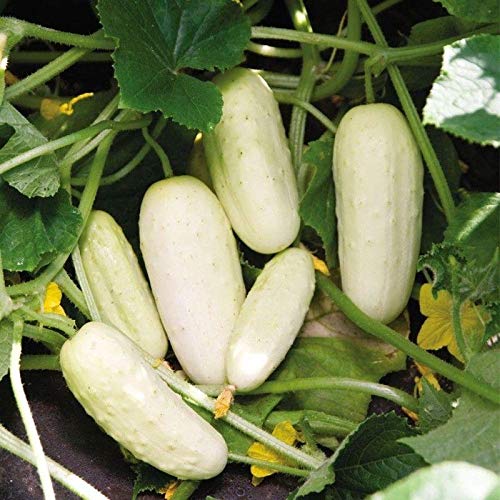
Heirloom, Organic, Non GMO, Vegetable, Fruit, Herb, Flower Garden Seeds

BURPLESS AND LOW ACID – Smooth-skinned cucumbers with no bitterness, ideal for easy digestion, fresh eating, or quick-pickling snacks
Complementary Growth Patterns of Cucumbers and Peppers
When planting cucumbers and peppers together, it’s essential to understand their complementary growth patterns. Here’s a breakdown to help you make the most of this combination:
- Cucumber Vines: These plants tend to spread and vine, making them great for ground cover. They help shade the soil, reducing moisture loss and preventing weeds.
- Pepper Plants: Peppers, on the other hand, are upright and compact, taking up less space. Their vertical growth provides beneficial airflow for the cucumber leaves.
In essence, planting cucumbers and peppers together creates a dynamic balance. The cucumbers protect the soil, while the peppers offer structural support and aeration.
By understanding and leveraging these complementary growth patterns, you can maximize the potential of your garden space when cultivating cucumbers and peppers side by side.
Tips for Successfully Planting Cucumbers and Peppers Together
Growing cucumbers and peppers together can be a rewarding experience, but it’s essential to follow key tips to ensure success:
- Choose Complementary Varieties: Opt for cucumber and pepper varieties that have similar sunlight, watering, and soil requirements.
- Provide Adequate Spacing: Plant cucumbers and peppers at a proper distance to avoid overcrowding and ensure they have enough room to grow.
- Support Pepper Plants: Use stakes or cages to support pepper plants as they grow upright and may need additional structural support.
- Water Regularly: Keep the soil consistently moist, especially during hot weather, to promote healthy growth for both crops.
- Mulch Around Plants: Mulching helps retain moisture, suppress weeds, and maintain soil temperature—a beneficial practice for both cucumbers and peppers.
- Prune Wisely: Regularly remove dead or diseased foliage to prevent the spread of diseases and ensure optimal air circulation around plants.
Recommended Products

【The Height And Width Can Be Changed At Will】-2Pcs plant support cages which width is 8.3 inch and height 22 inch.You can assemble the two parts into one,geting a larger,taller support cage.The height can be adjusted by increasing or decreasing the number of sticks,while the diameter can be adjusted by adding or removing the circular rings.

Modular Square Design for Flexible Garden Layouts - Designed with a modular square structure, this tomato cage allows you to build, expand, and rearrange your plant support setup as your garden grows. The four-side design provides organized support for tomato plants while allowing flexible layouts for raised beds, containers, and garden rows.

Vine Support Keeps Plants Upright:Designed to prevent tomato vines and other climbing plants from bending or sprawling on the ground. Provides sturdy support to keep your plants upright, grow properly and your garden neat
Conclusion
Happy gardening! Remember to choose compatible varieties, provide proper spacing, support your pepper plants, water consistently, mulch for moisture retention, and prune for plant health. Following these tips will help you successfully grow cucumbers and peppers together. Enjoy the benefits of a bountiful harvest and flavorful meals straight from your garden. Keep nurturing your plants with care and attention, and watch them thrive side by side. Here’s to a fruitful growing season ahead!
Frequently Asked Questions
Can cucumbers and peppers be planted together in a garden?
Yes, cucumbers and peppers can be planted together in a garden. It is important to choose complementary varieties and follow specific practices to ensure successful growth.
What are some tips for planting cucumbers and peppers together?
When planting cucumbers and peppers together, choose varieties with similar needs, provide adequate spacing, support pepper plants with stakes, water regularly, mulch for moisture retention, and prune for plant health and air circulation.
Why is choosing complementary varieties important when planting cucumbers and peppers together?
Choosing complementary varieties ensures that cucumbers and peppers have similar requirements for sunlight, water, and soil nutrients, leading to better growth and productivity.
