

Best time to plant cucumber seeds
Planting cucumber seeds at the right time is crucial for a successful harvest. Cucumbers are warm-season vegetables that thrive in full sun and well-drained soil. Here are some key points to consider when deciding the best time to plant your cucumber seeds:
- Warm Soil Temperature: Cucumber seeds germinate best when the soil temperature is at least 60°F (15.5°C). Wait until after the last frost date in your area to ensure the soil is warm enough for planting.
- Optimal Planting Time: The best time to plant cucumber seeds is typically in the late spring when the soil has warmed up and all danger of frost has passed. This usually falls between mid-May to early June in many regions.
- Length of Growing Season: Cucumbers require 60-70 days to reach maturity after planting. Consider the length of your growing season to ensure you have enough time for the cucumbers to grow and ripen before the first fall frost.
- Successive Plantings: To extend your harvest, consider successive plantings every 2-3 weeks. This practice can help stagger the cucumber production and ensure a continuous supply throughout the season.
- Container Planting: If you’re limited on space or want to start planting earlier, consider planting cucumber seeds in containers. This allows you to control the soil temperature and move the containers indoors if the weather turns cold.
Choosing the right location for planting
When selecting a location to plant your cucumber seeds, choose a spot that receives at least 6-8 hours of sunlight daily. This will ensure that your cucumbers receive the necessary light to thrive.
Consider planting cucumbers near a trellis or a fence for vertical growth if space is limited in your garden. This not only saves space but also helps protect the fruits from pests and diseases.
Ensure the soil is well-draining to prevent waterlogging, which can lead to root rot. Add organic matter like compost to improve soil texture and fertility, creating an optimal environment for your cucumber plants.
Avoid planting cucumbers in areas where other cucurbits like melons or pumpkins were grown the previous year to reduce the risk of spreading diseases.
Remember that cucumbers are sensitive to cold temperatures, so select a location with good air circulation to prevent frost pockets that could harm your plants.
By carefully choosing the right location for planting your cucumber seeds, you set the stage for a successful and bountiful harvest.
Preparing the soil for cucumber seeds
Before planting your cucumber seeds, it’s crucial to prepare the soil properly to set the stage for healthy growth. Here are some essential steps to get your soil ready:
- Clear the Area: Begin by clearing the planting area of any weeds, rocks, or debris that could impede seed germination or root development. This ensures that your cucumber plants have unobstructed access to nutrients and space to grow.
- Loosen the Soil: Use a garden fork or tiller to loosen the soil to a depth of about 12 inches. This helps improve aeration, water drainage, and root penetration. Loose soil also makes it easier for young cucumber plants to establish themselves.
- Add Compost: Enhance the soil’s fertility by incorporating compost or well-rotted manure. These organic materials provide essential nutrients for plant growth and improve soil structure over time. Mix the compost evenly into the soil to ensure uniform distribution of nutrients.
- Adjust pH Levels: Test the soil pH to ensure it falls within the optimal range for cucumber growth, which is typically between 6.0 and 7.0. If needed, adjust the pH by adding lime to raise it or sulfur to lower it, following the recommendations from your soil test results.
- Consider Mulching: After planting your cucumber seeds, consider mulching around the plants with straw or mulch. Mulch helps retain soil moisture, suppresses weeds, and maintains a more consistent soil temperature, which can benefit cucumber plants, especially during hot summer days.
Taking the time to prepare your soil adequately before planting cucumber seeds can significantly impact the success of your crop. By following these steps, you’ll create a favorable environment for your cucumber plants to thrive and produce an abundant harvest.
Planting and caring for cucumber seeds
Ready to plant your cucumber seeds? Here’s how to get started:
- Seed Planting: Plant cucumber seeds in well-drained soil in warm temperatures after the last frost date.
- Seed Depth: Plant seeds about 1 inch deep in groups of 2-3 seeds.
- Spacing: Leave 12-24 inches between each group to allow for healthy growth.
- Watering: Keep the soil moist but not waterlogged to prevent rot.
- Sunlight: Place your cucumbers in an area with full sun for at least 6 hours each day.
- Support: Consider using trellises or stakes to support vine growth and prevent rot.
After planting, show your cucumber seeds some love by:
- Weeding: Keep the area around your plants weed-free to minimize competition for nutrients.
- Mulching: Use mulch to retain moisture and control weeds.
- Fertilizing: Provide nitrogen-rich fertilizer when flowers appear for optimal growth.
Recommended Products

Vegetable seeds variety pack: Grow 35 varieties of leafy greens, root vegetables, tomatoes, peppers, beans, peas, squash, melons, and more. Includes 16,000+ vegetable seeds for planting outdoors in raised beds, garden rows, or containers.
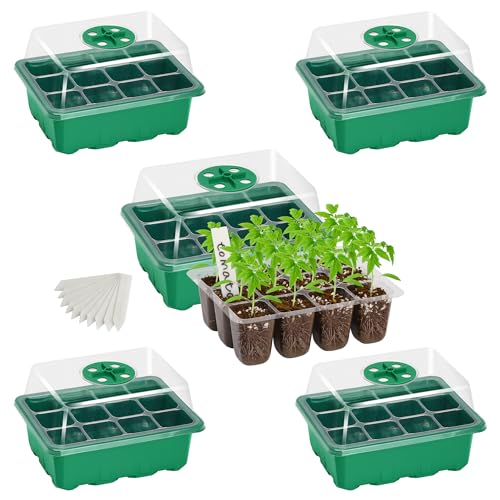
【Keep an eye on your plant】: The only design in the market- High quality clear plastic trays of this seed grow kit make it easier to observe your plants without interrupting the process.

20 COMPACT VEGETABLE & HERB VARIETIES – Chinese Celery, Lolla Rossa Lettuce, Sugar Daddy Snap Pea, Buttercrunch Lettuce, Spacemaster Cucumber, Little Fingers Carrot, Opal Basil, Arugula, Thyme, Viroflay Spinach, Flat Leaf Parsley, Tokyo Long White Bunching Onion, Dwarf Mix Petunia, French Breakfast Radish, Serrano Pepper, Catnip, Lemon Balm, Red Russian Kale, Marconi Red Pepper, Cilantro
Common issues and troubleshooting tips
- Pests: Keep an eye out for common cucumber pests like aphids and cucumber beetles. Introduce beneficial insects, like ladybugs, to control pest populations naturally.
- Diseases: Watch for signs of powdery mildew or bacterial wilt. Rotate your cucumber plants yearly to prevent disease buildup in the soil.
- Yellowing Leaves: Yellowing leaves could indicate nutrient deficiencies. Consider adding a balanced fertilizer to replenish essential nutrients.
- Poor Fruit Development: Ensure proper pollination by attracting bees to your garden with flowering plants nearby. Hand pollination can also help in the absence of sufficient bee activity.
- Bitter Tasting Cucumbers: Bitterness in cucumbers may result from irregular watering, high temperatures, or improper pollination. Maintain consistent soil moisture and provide shade during extreme heat.
- Overcrowding: Overcrowding can lead to stunted growth and poor airflow, increasing the risk of disease. Thin out excess seedlings to allow for adequate spacing between plants.
Conclusion
You’ve now learned valuable insights on growing cucumbers successfully. By monitoring pests, diseases, and nutrient deficiencies, you can ensure your cucumber plants thrive. Remember the importance of proper care, from balanced fertilization to adequate pollination. Implementing these tips will help you overcome challenges and enjoy a bountiful cucumber harvest. Happy gardening!
Frequently Asked Questions
Q: How can I prevent pests from damaging my cucumber plants?
A: Monitor for pests like aphids and cucumber beetles. Introduce beneficial insects for natural pest control.
Q: What should I do to avoid diseases in my cucumber plants?
A: Watch for diseases such as powdery mildew and bacterial wilt. Practice yearly plant rotation to prevent disease buildup.
Q: Why are my cucumber plant’s leaves turning yellow?
A: Yellowing leaves can indicate nutrient deficiencies in cucumber plants.
Q: What can I do if my cucumbers are not developing properly?
A: Poor fruit development may result from inadequate pollination. Attract bees to ensure proper pollination.
Q: How can I prevent my cucumbers from tasting bitter?
A: Bitter tasting cucumbers may be due to irregular watering or high temperatures. Maintain consistent soil moisture levels.
Q: Why are my cucumber plants not growing well and getting diseases?
A: Overcrowding can lead to stunted growth and increased disease risks. Thin out excess seedlings for proper plant spacing.
