

Ever wondered if cucumbers and beans make the dream team in your garden? Picture this: you’re excited to plant your veggies, but you’re unsure if these two companions will thrive side by side. Will they clash or create a harmonious garden symphony?
Planting cucumbers and beans together not only saves space but can also boost your harvest. Imagine the convenience of picking fresh cucumbers and beans from the same patch for your summer salads.
Benefits of Companion Planting
When it comes to planting cucumbers and beans together, companion planting offers numerous benefits:
- Maximizes Space: Planting cucumbers and beans in close proximity allows you to utilize vertical space efficiently.
- Natural Support: Beans can act as natural trellises for climbing cucumbers, providing support without the need for additional structures.
- Improved Soil Health: The combination of these plants can enhance soil fertility, as beans fix nitrogen in the soil, benefiting cucumber growth.
- Pest Control: Together, cucumbers and beans can act as a natural pest repellent, detering harmful insects and promoting a healthier garden ecosystem.
Remember, when planting cucumbers and beans together, you not only save space but also promote a synergistic relationship that benefits both plants.
Characteristics of Cucumbers and Beans
When planting cucumbers and beans together, it’s essential to understand the unique characteristics of each plant:
- Cucumbers:
- They are warm-season vegetables that thrive in temperatures between 70-85°F.
- Cucumbers require full sun and well-drained soil to grow successfully.
- These vining plants can climb vertically with proper support.
- Beans:
- Beans are nitrogen-fixing plants, enriching the soil with this essential nutrient.
- They prefer slightly acidic soil with a pH range of 6.0-7.0.
- Beans are known for their rapid growth and ability to tolerate varying sunlight conditions.
Understanding these key characteristics will help you create an environment where both cucumbers and beans can thrive together harmoniously.
Recommended Products

【Package included】:Crafted from robust hollow steel, this garden stakes features a fade-resistant green plastic coating, offering reliable protection against wind, rain, and rust. This Trellis for Climbing Plants Outdoor comes complete with everything you need to get started: 17pcs metal stakes, 8pcs T shape connect pipe, 2 A-shaped connectors, and a 0.9x1.8meter bird net.
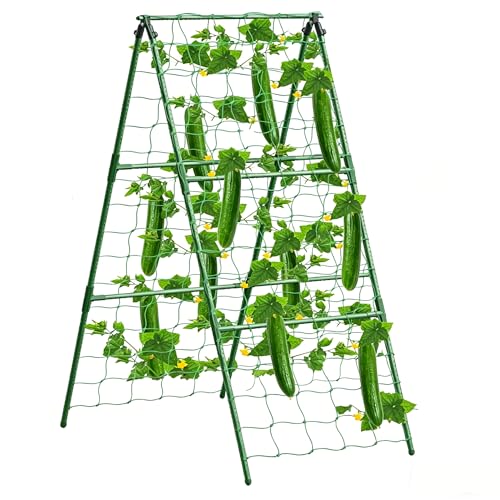
【Package included】:This Trellis for Climbing Plants Outdoor comes complete with everything you need to get started: 17pcs metal stakes, 8pcs T shape connect pipe, 2 A-shaped connectors, and a 0.9x1.8meter plant net.
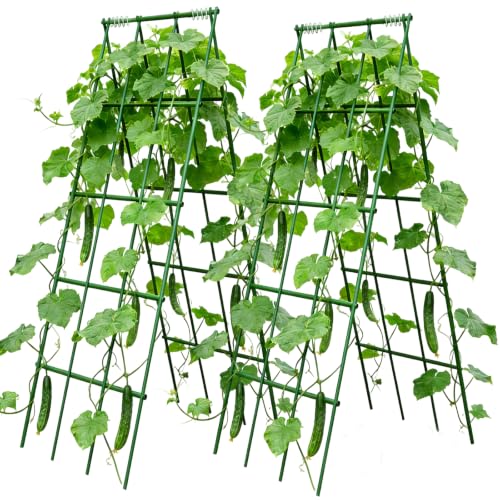
【No Assembly Required】Cucumber Trellis Out of the Box - From Packaging to Garden, Only 3 Minutes. While Other Bracket Kits Force You to Wrestle with More Than Ten Parts and a Wrench, Our No-Assembly-Required Bracket Panel Has Already Been Moved to the Garden for You, Providing a Simple and Quick DIY Erection Experience
Complementary Growth Patterns
When planting cucumbers and beans together, it’s essential to consider their Complementary Growth Patterns. Here’s how these two plants can benefit each other in your garden:
- Vertical vs. Horizontal Growth: Cucumbers typically vine and spread horizontally, while beans climb and grow vertically using structures like trellises. This difference allows them to utilize space efficiently without competing for ground area.
- Root Systems: Cucumber roots are shallow and wide-spreading, helping to anchor the plant and absorb nutrients from the soil surface. On the other hand, beans have deep taproots that can access nutrients from deeper soil layers. This diversity in root structure prevents overcrowding in the soil and promotes better nutrient uptake for both plants.
- Leaf Structure: Cucumbers have broad leaves that provide ample shade and protect the soil from excessive sun exposure and evaporation. In contrast, beans have smaller leaves that allow light to filter through, benefiting the lower-growing cucumber plants.
- Nitrogen Fixation: Beans are nitrogen-fixing plants, meaning they can take nitrogen from the air and convert it into a form that is usable by themselves and neighboring plants like cucumbers. This process enriches the soil with essential nutrients and reduces the need for synthetic fertilizers.
By understanding these Complementary Growth Patterns, you can optimize your garden space, improve soil health, and foster a harmonious relationship between cucumbers and beans.
Tips for Planting Cucumbers and Beans Together
When planting cucumbers and beans together, there are a few tips to keep in mind to ensure a successful and harmonious growth for both plants.
- Spacing: Plant beans and cucumbers at the same time. Leave about 12-18 inches of space between cucumber hills to allow for bean growth.
- Support: Consider providing a trellis or stakes for the cucumber vines to climb on. This will help prevent crowding and maximize vertical space.
- Soil: Opt for well-draining soil rich in organic matter. Ensure the soil pH is around 6.0-7.0, ideal for both cucumbers and beans.
- Sunlight: Plant your cucumbers and beans in an area that receives full sunlight for at least 6-8 hours a day.
- Watering: Keep the soil consistently moist but not waterlogged. Water deeply to encourage strong root development.
- Mulching: Mulch around the base of the plants to help retain moisture, suppress weeds, and maintain even soil temperature.
- Companion Plants: Consider adding other companion plants like marigolds or radishes to further enhance the benefits of planting cucumbers and beans together.
- Rotation: Rotate the location of your cucumbers and beans each year to prevent soil depletion and reduce the risk of pests and diseases.
By following these tips, you’ll create an environment where cucumbers and beans can thrive together, benefiting from each other’s strengths. Both plants will complement each other’s growth patterns and contribute to a bountiful harvest in your garden.
Recommended Products

【Package included】: This Trellis for Climbing Plants Outdoor comes complete with everything you need to get started: 17pcs metal stakes, 8pcs stainless wire connect pipe, 2 A-shaped connectors, and a 0.9x1.8meter Bird net.

【Multi-Function】 Tall Tomato Cage-Each tomato cage can be adjusted from 16inches to 47 inches in height,suit for different growth stages of plants, offering versatile supports for a wide variety of tomato plants, ensuring they grow tall and strong.

【Package included】: This Trellis for Climbing Plants Outdoor comes complete with everything you need to get started, This Trellis for Climbing Plants Outdoor comes complete with everything you need to get started: 17pcs metal stakes, 8pcs stainless wire connect pipe, 2 A-shaped connectors, and a bird net.
Harvesting and Care Tips
Once your cucumbers and beans are thriving in your garden, it’s important to harvest them regularly to encourage continuous growth and ensure the best flavor. Here are some tips for harvesting and caring for your cucumber and bean plants:
- Harvest cucumbers when they are firm and a bright green color. Check them every couple of days to prevent overripening.
- Beans should be picked frequently to promote more production. Harvest when they are young and tender for the best taste.
- Support your cucumber plants with trellises as they grow. This helps them stay off the ground and allows air circulation.
- Water your plants deeply, especially during dry periods. Cucumbers and beans need consistent moisture to thrive.
- Mulch around your plants to retain moisture, regulate soil temperature, and reduce weed growth.
- Consider planting companion plants like herbs to deter pests and attract beneficial insects.
- Rotate your crops yearly to prevent the buildup of diseases and pests in the soil.
By following these care tips, you can ensure a bountiful harvest of cucumbers and beans while maintaining a healthy and balanced garden environment.
Conclusion
You now have the tools to plant cucumbers and beans together successfully in your garden. Remember to consider spacing, trellis support, soil quality, sunlight exposure, watering methods, mulching, companion plants, and annual location rotation. Harvesting cucumbers and beans requires attention to regular harvesting, timing, trellis support for cucumbers, deep watering, mulching, companion planting for pest control, and annual crop rotation. By following these guidelines, you can enjoy a plentiful harvest of cucumbers and beans while maintaining a healthy garden ecosystem. Happy planting!
Frequently Asked Questions
Can cucumbers and beans be planted together in a garden?
Yes, cucumbers and beans can be planted together in a garden. Spacing is important to prevent crowding, and providing a trellis for support benefits both plants. Soil quality, sunlight exposure, and watering techniques should cater to the needs of both plants.
How should cucumbers and beans be harvested?
Regular harvesting is key. For cucumbers, use a trellis for support, harvest at the right time, and ensure deep watering. Beans also benefit from mulching, companion planting for pest control, and annual rotation for soil health.
What are some tips for maintaining a healthy garden environment when planting cucumbers and beans?
To maintain a healthy garden environment, consider mulching, companion planting for pest control, and annual crop rotation. These practices promote soil health and improve the overall well-being of the cucumber and bean plants.
How can gardeners ensure a bountiful harvest of cucumbers and beans?
By following care tips like proper spacing, trellis support, soil quality, sunlight exposure, watering techniques, mulching, companion planting, and annual location rotation, gardeners can ensure a bountiful harvest of both cucumbers and beans.
