

Ever wondered why those vibrant carrot leaves suddenly start looking dull and dusty? Picture this: you’re tending to your garden, and you notice a powdery white substance on your carrot plants. What could it be? That, my friend, might just be the notorious carrot powdery mildew creeping in.
Don’t fret! In this article, you’re about to uncover the secrets of diagnosing and treating carrot powdery mildew like a pro. Imagine being able to save your precious carrot crop from this sneaky invader with just a few simple steps. Exciting, isn’t it? Get ready to arm yourself with the knowledge and skills needed to combat this pesky problem head-on.
By the end of this read, you’ll be equipped with the tools to identify carrot powdery mildew at the first sight and tackle it effectively. Say goodbye to wilting leaves and hello to thriving carrot plants – all thanks to your newfound expertise in handling this common garden dilemma.
Understanding Carrot Powdery Mildew
Carrot powdery mildew is a fungal disease that can affect your carrot plants, leading to reduced plant growth and yield. It’s typically identified by white powdery patches on the leaves of the carrot plant, which can spread rapidly if not addressed promptly.
- Symptoms: Look out for white, powdery spots on the leaves of your carrot plants, which may later turn yellow or brown. Affected leaves can also start curling or appear distorted.
- Causes: Carrot powdery mildew thrives in warm, humid conditions. Overcrowding of plants, poor air circulation, and lack of sunlight can contribute to its development.
- Prevention: To prevent carrot powdery mildew, ensure proper spacing between plants, provide adequate sunlight, and avoid overhead watering. Consider using disease-resistant carrot varieties.
- Treatment: If you notice signs of powdery mildew, remove and destroy affected leaves immediately. Use fungicidal sprays labeled for powdery mildew as a preventative measure or to manage existing infections.
- Companion Planting: Planting garlic, chives, or mint near your carrot plants can help deter powdery mildew.
- Monitoring: Regularly inspect your carrot plants for any signs of powdery mildew to take early action and prevent its spread.
By understanding the characteristics and triggers of carrot powdery mildew, you can effectively diagnose, treat, and prevent this common issue in your garden, ensuring healthy and thriving carrot crops.
Symptoms to Look Out For
When diagnosing carrot powdery mildew, keep an eye out for the following symptoms on your carrot plants:
- White Powdery Patches: These patches often appear on the leaves, indicating the presence of the fungus.
- Leaf Discoloration: Affected leaves may show signs of yellowing or browning, suggesting an issue.
- Curling: Leaves that start to curl are another common sign of carrot powdery mildew.
By recognizing these symptoms early on, you’ll be better equipped to take action and prevent further damage to your carrot plants.
Identifying the Culprit: Carrot Powdery Mildew
When identifying carrot powdery mildew, keep an eye out for:
- White powdery patches on leaves
- Leaf discoloration like yellowing or browning
- Leaf curling
Early recognition of these symptoms is key to preventing damage to your carrot plants.
Recommended Products
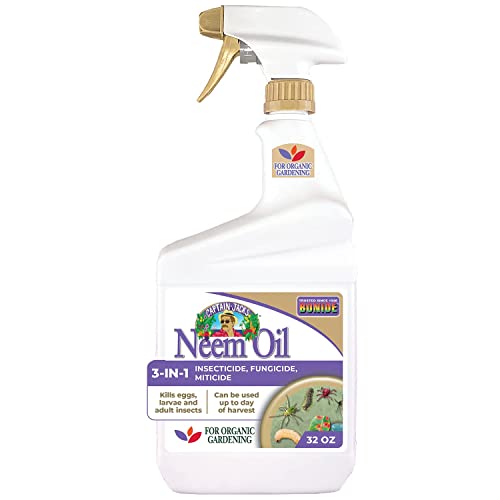
Protect your oasis with 3 garden products in 1 from Captain Jack’s; Bonide Captain Jack’s Ready-to-Use Neem Oil spray for plants is a multi-purpose fungicide, insecticide and miticide for your lawn & garden

FUNGAL DISEASE CONTROL: Prevents and controls black spot on roses, powdery mildew, rust, downy mildew, and other listed fungal diseases when applied on a 7–14 day schedule

Protect your oasis with 3 garden products in 1 from Captain Jack’s; Captain Jack’s Ready-to-Use Neem Oil spray for plants is a multi-purpose fungicide, insecticide and miticide for your lawn and garden
Prevention is Key: Tips to Protect Your Carrot Plants
When it comes to protecting your carrot plants from powdery mildew, prevention is paramount. Here are some practical tips to safeguard your beloved carrots:
- Monitor Plant Health: Regularly check your carrot plants for early signs of powdery mildew.
- Promote Air Circulation: Ensure your plants are not overcrowded, allowing for better airflow.
- Water Carefully: Avoid overhead watering to prevent creating a humid environment conducive to mildew.
- Mulch Wisely: Use mulch to regulate soil temperature and moisture, but avoid excess to prevent trapping moisture.
- Time Your Watering: Water in the morning to allow time for foliage to dry out during the day.
- Natural Remedies: Consider neem oil or baking soda solutions as natural fungicides.
- Prune Infected Parts: Trim and dispose of any foliage showing signs of powdery mildew to prevent spread.
- Rotate Crops: Avoid planting carrots in the same spot season after season to reduce disease buildup in the soil.
Remember, early intervention and consistent care are key to protecting your carrot plants from powdery mildew.
Treatment Options for Carrot Powdery Mildew
- Neem oil: An effective natural remedy for powdery mildew.
- Baking soda: Mix with water and spray on plants to help control the spread.
- Pruning: Remove infected parts promptly to prevent further spread.
- Air circulation: Improve airflow around plants by spacing them adequately.
- Avoid overhead watering: Water plants at the base to reduce moisture on leaves.
- Mulching: Use mulch wisely to maintain soil moisture without promoting mildew growth.
| Neem oil | Baking soda | Pruning |
|---|---|---|
| Effective natural remedy | Mix with water and spray | Remove infected parts |
| Helps control spread | Control the spread of powdery mildew | Prevent further spread |
Recommended Products

Protect your oasis with Captain Jack’s Neem Max Ready-to-Use Spray; this multipurpose product acts as a 4-in-1 insecticide, fungicide, miticide and nematicide

Protect your oasis with Captain Jack’s Neem Max Ready-to-Use Spray; this multipurpose product acts as a 4-in-1 insecticide, fungicide, miticide and nematicide

Protect your oasis with Captain Jack’s Neem Max Ready-to-Spray solution; this multipurpose product acts as a 4-in-1 insecticide, fungicide, miticide and nematicide
Conclusion
You now have a range of effective treatment options for combating carrot powdery mildew. By incorporating natural remedies like neem oil and baking soda, along with proper pruning techniques and smart gardening practices, you can successfully manage and prevent the spread of this common plant disease. Remember to prioritize good air circulation, avoid overhead watering, and use mulch strategically to create an environment that discourages powdery mildew growth. With these strategies in place, you can enjoy healthier and more vibrant carrot plants in your garden. Happy gardening!
Frequently Asked Questions
What are the treatment options for carrot powdery mildew?
Various treatment options for carrot powdery mildew include using neem oil and baking soda as natural remedies, pruning infected parts promptly, improving air circulation, avoiding overhead watering, and using mulch wisely to maintain soil moisture.
Why is neem oil recommended for controlling powdery mildew?
Neem oil is recommended for controlling powdery mildew due to its effectiveness in halting the spread of the disease by disrupting fungal growth and acting as a natural fungicide.
How can pruning help prevent the spread of carrot powdery mildew?
Pruning helps prevent the spread of carrot powdery mildew by removing infected parts promptly, stopping the disease from spreading to healthy areas of the plant and promoting overall plant health.
What role does air circulation play in managing carrot powdery mildew?
Improving air circulation around plants is crucial in managing carrot powdery mildew as it helps to reduce humidity levels, prevent moisture buildup on leaves, and create an environment less favorable for the growth of powdery mildew.
Why is overhead watering discouraged for carrot plants with powdery mildew?
Overhead watering is discouraged for carrot plants with powdery mildew because it can increase moisture on leaves, creating ideal conditions for the development and spread of the disease. It is best to water at the base of the plants.
How can mulch be used to effectively combat carrot powdery mildew?
Mulch can be used wisely to combat carrot powdery mildew by maintaining soil moisture levels without promoting mildew growth. Proper mulching techniques can help create a healthy growing environment for plants while minimizing the risk of powdery mildew.
