

Ever wondered how to give your carrots the boost they need to flourish next season? Picture this: you’ve put in the hard work, but your carrot harvest is not as bountiful as you hoped. What if there was a simple solution to enhance your carrot growth effortlessly? In this article, you’ll uncover the secret to maximizing your carrot yield by harnessing the power of cover crops.
Imagine saying goodbye to sparse carrot patches and hello to a thriving harvest. By incorporating cover crops into your gardening routine, you can improve soil health, suppress weeds, and increase nutrient availability for your carrots. Ready to take your carrot cultivation to the next level? Let’s explore how cover crops can be the game-changer your garden has been waiting for.
Benefits of Cover Crops for Carrot Growth
When it comes to enhancing your carrot growth, incorporating cover crops can bring a range of advantages. Here’s why utilizing cover crops is a beneficial practice for your garden:
- Soil Health: Cover crops contribute to improving soil health by enhancing its structure and increasing organic matter content.
- Weed Suppression: By planting cover crops, you can reduce weed growth, minimizing competition for nutrients and water that are vital for carrot development.
- Nutrient Availability: Cover crops act as natural fertilizers, enhancing the availability of nutrients in the soil that are crucial for healthy carrot growth.
- Pest Control: Some cover crops can even act as natural pest repellents, protecting your carrots from harmful insects without the need for synthetic pesticides.
- Moisture Retention: Cover crops help in maintaining soil moisture, ensuring that your carrots have a consistent water supply for optimal growth.
Actionable Steps for Success
To make the most of cover crops for your carrot growth, here are a few actionable steps you can take:
- Select cover crops that complement the specific needs of carrots in your region.
- Time the planting of your cover crops properly to maximize benefits for your carrot crop.
- Rotate cover crops annually to prevent the build-up of diseases and optimize soil fertility.
By understanding and leveraging the benefits of cover crops, you can set the stage for vibrant, healthy carrots in your garden next season.
Recommended Products

1 JUG (5 LBS.) = 3,000–3,750 SQ FT - Comes in a handy resealable container
![No-Till Cover Crop 13-Seed Mix (1 lb. Bag): [50% Clovers Plus Fenugreek, Vetch, Flax, Cowpeas, Buckwheat, Forage Peas, Millet, Lentils, Crimson Clover, Sweet Yellow, White Clover, Medium Red Clover]](https://m.media-amazon.com/images/I/61tz3UL4ZfL._SL500_.jpg)
13 different varieties of THE most popular cover crops in the community in 1 bag = balanced bio-diversity
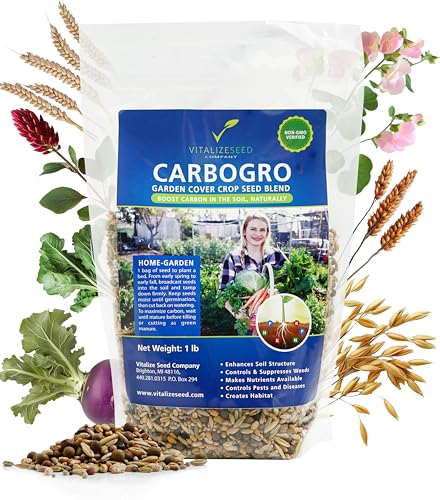
🌱 DIVERSE COVER CROP MIX WITH 16 SPECIES: Carbogro offers an unmatched blend of 16 species, including grains, brassica, clovers, and more. This diverse seed mix ensures a well-balanced approach to cover cropping, benefiting both soil health and crop productivity.
Choosing the Right Cover Crops for Carrots
When choosing cover crops to enhance your carrot growth next season, it’s essential to select varieties that will complement and benefit your carrots. Here are some key points to consider:
- Legumes: Cover crops like clover and peas are excellent choices as they can fix nitrogen in the soil, providing a natural source of this essential nutrient for your carrots.
- Grasses: Rye and ryegrass are popular options that help with weed suppression and improve soil structure.
- Brassicas: Mustard and rapeseed are beneficial for nematode control and can help break pest cycles that may affect your carrot crop.
- Mixtures: Consider planting a combination of cover crops to reap the benefits of different species and enhance overall soil health.
| Cover Crop | Benefits |
|---|---|
| Legumes | Fix nitrogen in the soil |
| Grasses | Weed suppression, improve soil structure |
| Brassicas | Nematode control, break pest cycles |
| Mixtures | Combined benefits for soil health |
How Cover Crops Improve Soil Health
Cover crops play a crucial role in enhancing soil health, which directly impacts the growth and development of your carrot crops. Improving soil health can lead to increased fertility, better water retention, and reduced erosion. Here’s how cover crops contribute to this:
- Nutrient retention: Cover crops help prevent nutrient runoff by absorbing excess nutrients, ensuring they remain available for your carrot plants.
- Weed suppression: By outcompeting weeds for sunlight, water, and nutrients, cover crops help maintain a healthy environment for your carrot crops.
- Enhanced organic matter: Cover crops add organic matter to the soil as they decompose, improving soil structure and promoting beneficial soil organisms.
- Increased biodiversity: The diverse root structures of different cover crops help break up compacted soil, allowing for better water infiltration and root growth.
- Pest management: Certain cover crops, such as mustard, can help reduce harmful pests and diseases in the soil, benefiting your carrot crops.
By incorporating cover crops into your gardening practices, you can nurture your soil, creating a favorable environment for healthy carrot growth next season.
Weed Suppression with Cover Crops
When it comes to weed suppression, cover crops play a crucial role in reducing weed pressure in your garden beds. By outcompeting weeds for resources like sunlight, water, and nutrients, cover crops help minimize weed growth. Here’s how cover crops can enhance weed suppression and benefit the growth of your carrot crops next season:
- Shading Effect: Cover crops such as rye and buckwheat create a dense canopy that shades out emerging weeds, limiting their access to sunlight essential for growth.
- Allelopathic Properties: Certain cover crops like oats and sorghum-sudangrass release chemicals that inhibit weed seed germination and growth, giving your carrot crops a competitive edge.
- Physical Barrier: Cover crop residues left on the soil surface after termination act as a physical barrier that hinders weed seedlings from establishing and thriving.
To maximize the benefits of weed suppression with cover crops, consider the following tips:
- Choose the Right Cover Crop: Select cover crops known for their weed-suppressing properties, such as winter rye or hairy vetch.
- Timing is Key: Plant cover crops early enough to allow them to establish and develop a robust root system before weed seeds have a chance to germinate.
- Proper Termination: Ensure cover crops are terminated at the right stage to prevent them from becoming a competition for your carrot crops while still reaping the weed-suppressing benefits.
By incorporating cover crops that excel at weed suppression into your gardening practices, you can create a weed-resistant environment that supports the healthy growth of your carrot crops in the upcoming season.
Enhancing Nutrient Availability for Carrots
To ensure optimal nutrient availability for your carrot crop, cover crops play a crucial role in enhancing the soil quality. Here’s how cover crops can help:
- Increased Organic Matter: Cover crops add organic matter to the soil as they decompose, enriching it with nutrients essential for carrot growth.
- Nitrogen Fixation: Leguminous cover crops like clover or peas have the ability to fix atmospheric nitrogen into a form that carrots can readily use, promoting healthy growth.
- Improved Soil Structure: Cover crops with deep roots such as radishes help break up compacted soil, allowing carrots to penetrate deeper for water and nutrients.
- Reduced Erosion: Cover crops protect the soil from erosion, ensuring that essential nutrients remain in place for your carrot crops to utilize.
- Microbial Activity: Cover crops can enhance soil microbial activity, creating a more favorable environment for nutrient uptake by carrot roots.
When planning your cover crop strategy, consider rotating leguminous and non-leguminous cover crops to maintain a balance of nutrients in the soil. Additionally, aim to incorporate cover crop residues into the soil before planting carrots to maximize nutrient availability.
By effectively managing your cover crop selection and practices, you can create a nutrient-rich environment that sets the foundation for robust carrot growth in the upcoming season.
Recommended Products

Cover Crop - Nine large individual packets of Annual Buckwheat, Crimson Clover, Dutch White Clover, Hairy Vetch, Yellow Mustard, Winter Oats, Austrian Winter Pea, Daikon Driller Radish and Winter Rye seeds with instructions to grow. Seed varieties that are great for improving soil, preventing erosion, and suppressing weeds.
13 different varieties of THE most popular cover crops in the community in 1 bag = balanced bio-diversity

Cover Crop - Large premium packet of Driller Daikon Radish (Raphanus sativus longipinnatus) seeds. Winter-hardy and drought-tolerant cover crops can help cover the soil of your home garden beds during the off season. We've included enough seed in one packet to cover an 8' x 4' garden bed. Minimum of 10 g per packet (about 950 seeds).
Conclusion
Enhancing your carrot growth next season can be achieved through strategic cover crop selection and management practices. By incorporating a variety of cover crops that contribute to soil health and nutrient availability, you can create an optimal environment for your carrots to thrive. Remember to rotate leguminous and non-leguminous cover crops to maintain a nutrient balance in the soil. Additionally, make sure to incorporate cover crop residues before planting your carrots to maximize nutrient retention. With careful planning and implementation, you can set the stage for robust carrot growth in the upcoming season.
Frequently Asked Questions
What are cover crops and how do they support carrot crop growth?
Cover crops are plants grown to benefit the soil rather than for harvest. They enhance carrot growth by improving soil nutrients, structure, and microbial activity.
What specific benefits do cover crops provide for growing carrots?
Cover crops boost soil organic matter, fix nitrogen, enhance soil structure, reduce erosion, and promote microbial activity, creating a favorable environment for carrot growth.
Why is it recommended to rotate leguminous and non-leguminous cover crops?
Rotating cover crops helps maintain nutrient balance in the soil by leveraging the nitrogen-fixing abilities of leguminous cover crops while preventing nutrient depletion.
How should gardeners incorporate cover crop residues before planting carrots?
To optimize nutrient availability, gardeners should incorporate cover crop residues into the soil before planting carrots to ensure a well-balanced nutrient profile for the upcoming crop season.
What is the key takeaway for gardeners regarding cover crop management for carrot growth?
Effective cover crop selection and practices can establish a nutrient-rich soil environment, supporting robust carrot growth and overall crop health.
