

Understanding Aquaponic Systems
Aquaponics is a sustainable method of agriculture that combines aquaculture (raising fish) and hydroponics (growing plants without soil). In simple terms, it’s a system where plants and fish work together in a symbiotic relationship. Aquaponic systems are designed to be efficient, using less water compared to traditional farming methods.
Recommended Products

Contains one (1) API FRESHWATER MASTER TEST KIT 800-Test Freshwater Aquarium Water Master Test Kit, including 7 bottles of testing solutions, 1 color card and 4 tubes with cap

17 IMPORTANT PARAMETERS: The Varify Premium Drinking Water Test Kit offers an unrivaled, complete analysis of your drinking water by testing for 17 essential parameters. This includes crucial tests for chlorine, fluoride, lead, iron, bacteria, and more, ensuring that you're fully informed about the quality of your water. With this extensive range of testing capabilities, you can detect contaminants and imbalances that could affect your health, providing a holistic view of your water's safety.

PROTECT YOUR HOME AND WELLNESS: Understand the impact of hard water on your home and health. Hard water can damage appliances, clog pipes, and affect your skin and hair. By using Varify's Water Testing Kit to monitor your water's hardness, you're taking an important step in preventing potential damage and ensuring the well-being of your household.
How it Works
- Fish waste: Fish produce ammonia-rich waste, which would be harmful to them in high concentrations.
- Beneficial Bacteria: Bacteria in the system convert ammonia into nitrates, which act as nutrients for plants.
- Plants: The plants then absorb these nutrients, naturally filtering the water, which is recirculated back to the fish.
Benefits of Aquaponics
- Sustainable: It conserves water and reduces the need for chemical fertilizers.
- Space-Efficient: Ideal for urban or indoor gardening due to its compact design.
- High Yields: Plants grow faster and produce higher yields in aquaponic systems.
Setting Up Your Aquaponic System
- Choose a Location: Select a spot with access to sunlight and a stable temperature.
- Equipment: Gather essential components like a fish tank, grow bed, water pump, and piping.
- Cycle the System: Allow time for beneficial bacteria to establish before adding fish or plants.
- Selecting Fish and Plants: Tilapia, trout, and lettuce are popular choices due to their compatibility.
Tips for Success
- Monitor Water Parameters: Regularly check pH levels, ammonia, nitrite, and nitrate concentrations.
- Maintain Balance: Ensure a harmonious environment for both fish and plants.
- Start Small: Begin with a manageable system before scaling up.
Aquaponics & Carrots
- Carrots: While not the easiest plant to grow in aquaponic systems, with proper care and attention to nutrient levels, carrots can thrive.
- Deep Grow Bed: Use a deep grow bed to accommodate the carrot roots.
- Correct Nutrient Levels: Ensure sufficient nitrates and trace minerals for healthy carrot growth.
Benefits of Growing Carrots in Aquaponics
Growing carrots in aquaponic systems offers a range of benefits for the aspiring urban farmer like yourself. Here are some key advantages:
- Nutrient-Rich Harvest: Carrots grown in aquaponics are packed with essential nutrients, ensuring you’ll have a healthy addition to your diet.
- Year-Round Availability: With aquaponics, you can enjoy fresh carrots throughout the year, bypassing seasonal limitations.
- Space-Efficiency: Aquaponic systems are known for their compact design, allowing you to grow a substantial amount of carrots in a limited space.
- Water Conservation: Aquaponics uses 90% less water than traditional soil farming, making it an eco-friendly choice for growing carrots.
- Chemical-Free: By avoiding the use of synthetic fertilizers and pesticides, aquaponic-grown carrots are free from harmful chemicals.
Consider these benefits when deciding to grow carrots in your aquaponic setup.
Factors to Consider for Successful Carrot Growth
When it comes to growing carrots in aquaponic systems, there are several critical factors that you should keep in mind to ensure a successful harvest. Here are some key considerations:
Light Exposure
- Carrots require adequate light for healthy growth. Ensure they receive 6-8 hours of sunlight daily or supplement with grow lights.
Water Quality
- Maintain proper pH levels (around 6.5-7.5) and water temperature (ideally 65-75°F) for optimal carrot development.
Nutrient Levels
- Regularly monitor essential nutrients like nitrogen, potassium, and phosphorus to support healthy carrot growth.
Spacing
- Carrots need enough space to develop long roots. Plant them at the recommended distances to avoid overcrowding.
Harvesting
- Harvest carrots when they reach maturity to prevent overcrowding and promote continuous growth in your aquaponic system.
Pest Control
- Be vigilant for pests that may affect carrot growth in your aquaponic system. Use natural remedies to keep them at bay.
- Maintain consistent temperatures to avoid stress on carrot plants. Insulate when necessary to protect them from extreme conditions.
By considering these factors and implementing best practices, you can successfully grow vibrant and healthy carrots in your aquaponic system.
Recommended Products
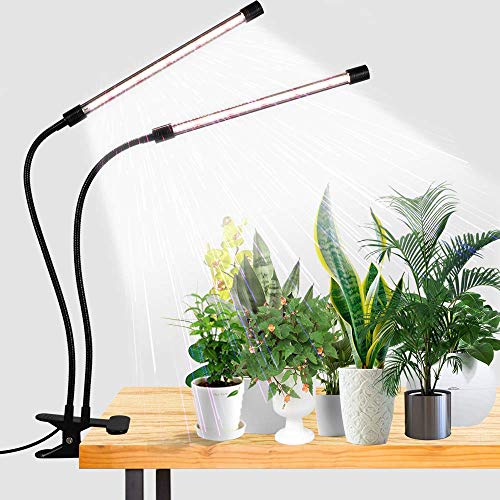
6000K White Light - equipped with 10 Red + 74 White LEDs, this growing Lamp is similar to the full-spectrum sunlight at noon,that is professionally designed for indoor garden plants.Moreover, its color rendering index is as high as 95, the light is soft and flicker-free, which is very suitable for reading lamp

6000K Daylight Full Spectrum- Packed with 40 white and 8 red LEDs, this growth light throws a crisp 6000K beam that reads like real sunshine indoors. Built for flowers, herbs, peppermint, succulents, and seed starting, and flexible enough for hanging baskets, trellises, floor pots, and bonsai alike.

4000K DAYLIGHT: Imitate the solar spectrum, customize a more ideal full life cycle full spectrum supplementary light program, covering the entire visible spectrum of 400nm-780nm; Color rendering index Ra is close to 100, infinitely close to natural light, suitable for every cycle of plant growth, effectively promotes plant growth, and improves crop yield and quality
Best Practices for Growing Carrots in Aquaponic Systems
When it comes to growing carrots in aquaponic systems, there are several best practices you should keep in mind. Following these tips will help you achieve healthy and vibrant carrots in your setup.
- Light Exposure: Make sure your carrots receive at least 8 hours of light each day for optimal growth.
- Water Quality: Monitor and maintain clean water in your system to prevent any issues with root development.
- Nutrient Levels: Check and adjust the nutrient levels regularly to ensure carrots receive the essential nutrients for growth.
- Spacing: Maintain appropriate spacing between carrot plants to allow for proper root development and prevent overcrowding.
- Harvesting at Maturity: Harvest carrots when they reach maturity to enjoy the best flavor and texture.
- Pest Control: Implement pest control measures to protect your carrot crop from common pests in aquaponic systems.
- Consistent Temperatures: Keep the temperature consistent in your setup to provide an ideal growing environment for carrots.
By following these best practices, you can cultivate carrots successfully in your aquaponic system and enjoy a bountiful harvest.
Recommended Products

Cordless & Rechargeable: A cordless rechargeable plant grow light that keeps plants thriving even when outlets are hard to reach. The wireless design allows for easy relocation of the grow light without complicated wiring. Once charged, it provides up to 6 hours of portable lighting in either vegetative or flowering mode.

PLUG-IN MECHANICAL TIMER – Reliable and hassle-free timer for electrical outlets, gives you precision control over electronics without having to plug and unplug them

【Waterproof Grow Light & Timer】Espird greenhouse grow lights come with a waterproof outdoor timer so that you can free your hands and takes care of your plant more accurate. High-strength waterproof aluminum lampshade, waterproof serial connector, IP44, this growing light can be used as indoor grow light and outdoor grow lights. Besides, strong heat dissipation efficiency, sturdiness and durability make sure this plant grow light can stand the test of time.
Harvesting and Maintaining Carrots in Aquaponics
When harvesting carrots in your aquaponic system, remember to gently pull them out while holding the greens close to the root. Here are some tips for successful harvesting and maintenance:
- Harvesting:
- Harvest mature carrots by gently pulling them up to avoid damage.
- Ensure proper spacing to allow carrots to grow to their full size.
- Optimal harvesting time is reached when the shoulders of the carrots push through the soil.
- Maintenance:
- Regularly check and adjust nutrient levels to support carrot growth.
- Monitor water quality to prevent nutrient deficiencies or excesses.
- Implement pest control measures to protect your carrots.
Remember, maintaining consistent temperatures, providing adequate light exposure, and proper care are essential for thriving carrots in your aquaponic system.
Conclusion
Growing carrots in aquaponic systems can be a rewarding experience, offering a sustainable way to enjoy fresh, chemical-free produce year-round. By focusing on key factors like light exposure, water quality, and nutrient levels, you can ensure the success of your carrot harvest. Remember to maintain proper spacing, monitor for pests, and harvest your carrots when they reach maturity. With regular maintenance and attention to detail, you can enjoy a bountiful supply of delicious, home-grown carrots from your aquaponic system. Happy gardening!
Frequently Asked Questions
How does aquaponics benefit urban farmers when growing carrots?
Aquaponics provides urban farmers with nutrient-rich carrots, year-round harvests, space-efficient growing, water conservation, and chemical-free produce.
What factors are crucial for successful carrot growth in aquaponic systems?
Proper light exposure, water quality, nutrient levels, spacing, harvesting at maturity, pest control, and consistent temperatures are essential for successful carrot growth in aquaponic systems.
What are some tips for harvesting carrots in aquaponic systems?
Gently pull mature carrots, maintain proper spacing, and harvest when the shoulders push through the soil for optimal harvesting results.
How can one maintain thriving carrots in aquaponic systems?
Regularly check and adjust nutrient levels, monitor water quality, implement pest control measures, and ensure consistent temperatures and light exposure for thriving carrots in aquaponic systems.
