

Ever wondered how those vibrant orange carrots in your garden end up producing tiny carrot seeds? Picture this: you’ve nurtured your carrot plants from seedlings, and now it’s time to learn the fascinating process of seed formation. How do these humble roots transform into the key to growing future harvests of delicious carrots?
In this article, you’ll uncover the secrets behind the journey from carrot to carrot seed. Imagine the satisfaction of harvesting your own carrot seeds, ready to sow for the next season’s bounty. You’ll gain valuable insights into the lifecycle of these versatile vegetables and empower yourself to become a self-sustaining gardener. Get ready to delve into the world of carrot seed production and elevate your gardening expertise.
The Anatomy of a Carrot Plant
When it comes to understanding how carrots form carrot seeds, it’s essential to delve into the anatomy of a carrot plant. Here’s a breakdown of the key components:
- Roots: Carrots have a taproot system with a thick taproot that grows downwards into the soil. This taproot stores nutrients and water for the plant.
- Leaves: The foliage of a carrot plant consists of feathery leaves that emerge from the top of the taproot. These leaves play a vital role in the process of photosynthesis, converting sunlight into energy for the plant.
- Flower Stem: As the carrot plant matures, it develops a tall flower stem that will eventually produce flowers. These flowers are crucial for the formation of seeds.
- Flowers: Carrot plants produce umbels of tiny white flowers. Each flower has the potential to develop into a seed.
- After pollination, the flowers of the carrot plant transform into seeds. These seeds are contained within seed heads that replace the flowers.
- Maturation: Carrot seeds require time to reach maturity before they are ready to be harvested for future planting. This process involves proper care and monitoring to ensure the seeds are viable.
- Harvesting: Once the carrot seeds have fully matured, they can be harvested. Proper harvesting techniques are essential to preserve the quality and viability of the seeds for the next planting season.
Flowering Stage: Carrots in Bloom
When carrots reach the flowering stage, it’s a sign that the plant is nearing the end of its life cycle. Here’s what happens during this crucial period:
- Bolting: Carrots begin to send up a tall flower stem as flowers form at the top.
- Pollination: Insects such as bees play a vital role in transferring pollen between flowers for fertilization.
- Seed Head Formation: Once fertilized, carrot flowers start to develop seed heads where the seeds will mature.
As your carrots bloom, keep a close eye on them to ensure successful seed production.
Pollination Process: Essential for Seed Formation
Pollination plays a crucial role in seed formation. It’s the stage where pollen is transferred from the male to the female flower. Without this process, seed development cannot occur.
Carrots rely on insects like bees for pollination. Bees are attracted to the bright colors and sweet nectar of the carrot flowers. As they move from flower to flower, they inadvertently transfer pollen, enabling fertilization.
Since carrots are biennial plants, they store energy in their roots during their first year. When they flower in the second year, they use this energy to produce seeds.
To ensure successful seed formation, it’s important to encourage pollinators in your garden. Planting flowers that attract bees can help increase pollination rates and improve seed production.
By understanding the pollination process and taking steps to support it, you can boost your chances of harvesting healthy carrot seeds for future planting.
Recommended Products

Premium Seeds: Tendersweet heirloom carrot variety offering approximately 2600 seeds for extensive garden planting and multiple growing seasons
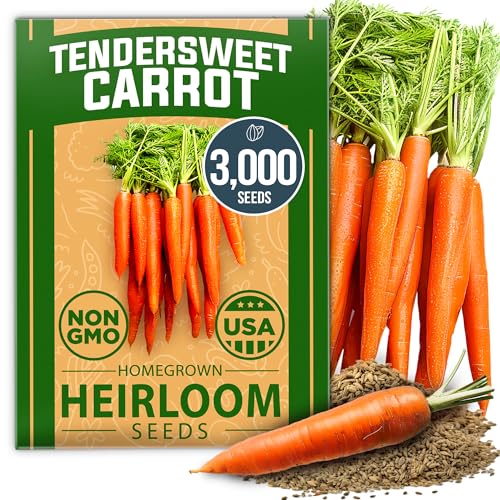
Premium Tendersweet Carrot Seeds: Authentic Open-Pollinated Premium Heirloom Seeds (USA) Non-GMO, Untreated, High Germination Rate. Phenomenal dessert Brix profile. High-impact carotene energy. An outstanding orange monolith for open ground, high ridges, and patio containers. Your garden bed is your pride.

Sweet, Coreless Roots: Heirloom carrots with tender 9-10 inches orange taproots and high sugar content. Grow in 3-10 USDA zones. Great carrots seeds for planting in any home garden.
Seed Maturation: From Flower to Seed
When a carrot plant flowers, it marks the transition to seed production. The flower head transforms into the seed head as the plant allocates energy towards seed maturation.
As the seeds develop, the flower head changes color and dries out. This process indicates that the seeds are reaching maturity and are close to being ready for harvest.
Carrot seeds are typically ready for harvest when the seed heads turn brown and start to split open. At this stage, you can gently collect the seeds for storage and future planting.
| Some Relevant Data | Values |
|---|---|
| Average time for carrot seeds to mature | 70-80 days |
| Number of seeds produced per carrot plant | hundreds |
Recommended Products

Vegetable seeds variety pack: Grow 35 varieties of leafy greens, root vegetables, tomatoes, peppers, beans, peas, squash, melons, and more. Includes 16,000+ vegetable seeds for planting outdoors in raised beds, garden rows, or containers.

GARDEN SEEDS SAVING KIT: Includes 70 organizer containers, 20 seed envelopes, 1 storage carrier case, 70 more labels, 1 funnel, and tweezer, Keep all your seeds centrally organized and protected from sunlight and moisture.

UNCOMPROMISING SEED SECURITY - Your precious seed collection deserves more than a plastic container. Our upgraded dual safety locks create a fortress against moisture, curious kids, and pests. The light-proof, coated metal walls maintain seed viability, so your heirloom tomatoes and rare peppers are always ready for the next season.
Harvesting Carrot Seeds
When it comes to Harvesting Carrot Seeds, timing is crucial. Wait until the seed heads turn brown and start opening up. Gently pick the seeds to ensure they are in good condition for storage. Remember, each seed is a potential new carrot plant!
Carrot seeds are small but mighty. One plant can produce hundreds of seeds, allowing you to grow a whole patch of delicious carrots from just a few plants.
To harvest, you can lay the seed heads on a screen or paper indoors to let them dry further. Make sure to keep the seeds in a cool, dry place to maintain their viability for future planting.
| Average time for carrot seeds to mature | 70-80 days |
|---|
Conclusion
Now that you understand the importance of timing when harvesting carrot seeds and how each seed holds the potential for a new plant, you’re equipped to collect and store them for future planting. Remember to wait for the seed heads to turn brown and open before gently gathering the seeds. By drying them indoors and storing them in a cool, dry place, you can ensure their viability. With a maturation period of 70-80 days, knowing when to harvest is key to successful seed collection. Happy planting!
Frequently Asked Questions
When is the best time to harvest carrot seeds?
Wait until the seed heads turn brown and open up before collecting the seeds for storage.
How many seeds can one carrot plant produce?
One plant can produce hundreds of seeds.
How should carrot seeds be stored after harvesting?
Dry seeds indoors on a screen or paper, then store them in a cool, dry place.
How long does it take for carrot seeds to mature?
Carrot seeds typically take 70-80 days to mature.
