

Ever wondered how to preserve those precious heirloom carrot seeds for generations to come? Imagine having an endless supply of these vibrant, flavorful carrots in your garden without having to purchase seeds every season. Picture the satisfaction of knowing you’re not only growing delicious produce but also safeguarding a piece of agricultural history. In this article, you’ll discover the simple yet crucial steps to save heirloom carrot seeds and become a steward of these time-honored varieties. Ready to embark on this rewarding journey? Let’s delve into the fascinating world of seed saving together.
Choosing the Right Carrot Varieties
When selecting carrot varieties for seed saving, opt for open-pollinated heirlooms rather than hybrid types. Hybrid carrots don’t reliably produce seeds that grow true to the parent plant.
Consider climate suitability and gardening space when picking varieties. For instance, short-rooted carrots like Paris Market are ideal for small gardens, while longer types such as Nantes thrive in deeper soil.
Choose varieties with flavor profiles and colors that appeal to you. Cosmic Purple, Atomic Red, and Solar Yellow are eye-catching options, each offering unique taste and visual appeal.
Ensure the maturity date fits your timeline. Carrots vary in how long they take to reach full size, so select varieties that align with your growing season length.
By selecting the right carrot varieties, you set the foundation for a successful seed-saving venture.
Allowing Carrots to Mature
Carrots need time to mature fully to produce viable seeds. You’ll want to leave the plants in the ground much longer than when harvesting for consumption. Here are the key steps to allow carrots to mature before seed collection:
- Timing: Ensure that carrots are in the ground for 2 growing seasons to allow them to fully develop and produce seeds.
- Observation: Watch for flowering stems, an indication that the plant is entering its second year of growth.
- Patience: Resist the urge to harvest the carrots too early; let them remain in the soil until they are matured fully.
By following these steps, you give your carrots the time they need to reach the seed-producing stage effectively.
Harvesting Carrot Seeds
When the seed heads turn brown and start to dry out, it’s time to harvest the carrot seeds. Here’s how you can do it:
- Cut off the seed heads and place them in a paper bag.
- Allow the seeds to dry further in a warm, well-ventilated area for a week or two.
- Rub the seed heads between your hands to extract the seeds.
- Store the seeds in a cool, dry place in a paper envelope or a breathable container.
Make sure the seeds are fully dried before storing them to prevent mold.
Recommended Products

【Preprinted Designs】 These front of seed packets envelopes are designed with the seed type, collection date, growth type, and note slogans. You can write the seed information when placing the seeds. When used again. It can help you find the corresponding flower and vegetable seeds quickly and clearly.
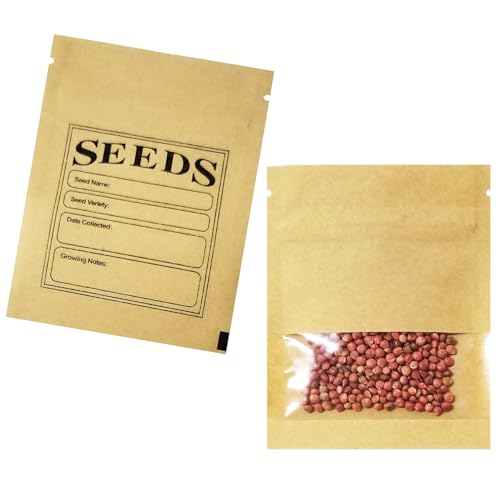
One unit: 100 Pieces; Outside size: 2.7x3.7 inch (7x9.5cm), Usable size: 2.36x2.56 inch (6x6.5cm)

【Resealable】: With a built-in Zip Lock seal, you can easily open and close each envelope to keep your seeds secure. The resealable closure prevents spills and helps maintain seed freshness over time.
Cleaning and Drying Seeds
After harvesting carrot seeds, the next crucial step is cleaning and drying them properly to ensure their viability for future planting. Here’s what you need to do:
- Gather your supplies:
- Paper bag
- Small tray or plate
- Fine mesh sieve
- Tweezers or your fingers
- Separate the seeds from the seed heads by gently rubbing or shaking them over the tray or plate.
- Remove any debris or chaff by using a fine mesh sieve, allowing the seeds to fall through while catching the larger pieces.
- Ensure thorough drying by spreading the seeds in a single layer on a paper bag or tray in a warm, well-ventilated area.
- Stir and turn the seeds occasionally to promote even drying, ensuring they do not clump together.
- Check for dryness by ensuring the seeds break cleanly when bent and have no soft or moist spots.
- Store in a breathable container like a paper envelope or cloth bag in a cool, dry place to prevent mold growth.
| Important Tips |
|---|
| – Separate seeds from seed heads with a tray or plate. |
| – Use a fine mesh sieve to remove debris. |
| – Ensure thorough drying in a warm, well-ventilated area. |
Recommended Products

Food Grade Stainless Steel 18/8 Construction: Our kitchen strainer is made of first class Stainless Steel 18/8 304 that is BPA free, Lead and Cadmium free. It is rust free and will never affect the taste of your food!

SUS304 Stainless Steel: The sieve mesh is made of food-grade SUS304 stainless steel, known for its sturdy and durable texture that is resistant to deformation. It offers excellent waterproof and corrosion-resistant properties, ensuring health and hygiene. It can be used independently for daily simple tasks or efficiently installed on our vibrating sieve shaker.

✨️【Durable Sturdy】Soils sifter screen is made of 304 steels,High hardness,Impact resistance,Not easy about deformation,Corrosion resistance,Oxidation resistance,Easy to clean.
Storing Carrot Seeds
After cleaning and drying your heirloom carrot seeds, the next crucial step is proper storage. Here are some essential tips to help you preserve the viability of your seeds for future planting:
- Choose a breathable container: Opt for paper envelopes, paper bags, or cloth bags to store your carrot seeds. These materials allow air circulation, reducing the risk of mold formation.
- Label and date: Remember to label each container with the seed variety and the date it was harvested. This ensures you keep track of the seed’s age for future plantings.
- Store in a cool, dry place: Find a cool, dry location for your seed containers. Avoid places with high humidity or temperature fluctuations, as they can reduce seed viability.
- Avoid exposure to sunlight: Keep your seeds away from direct sunlight, as it can lead to overheating and reduce seed quality over time.
- Check periodically: Periodically check your stored seeds for any signs of moisture or mold. If you notice any issues, take the necessary steps to ensure the seeds remain dry and healthy.
| Key Points |
|---|
| – Use breathable containers like paper envelopes. |
| – Label each container with seed variety and harvest date. |
| – Store in a cool, dry place away from sunlight. |
| – Periodically check for moisture or mold. |
Recommended Products

Vegetable seeds variety pack: Grow 35 varieties of leafy greens, root vegetables, tomatoes, peppers, beans, peas, squash, melons, and more. Includes 16,000+ vegetable seeds for planting outdoors in raised beds, garden rows, or containers.
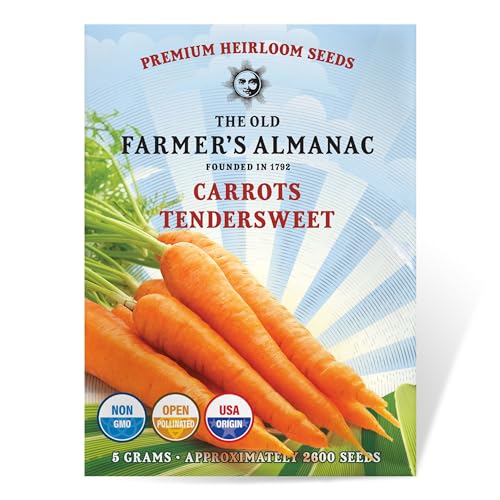
Premium Seeds: Tendersweet heirloom carrot variety offering approximately 2600 seeds for extensive garden planting and multiple growing seasons
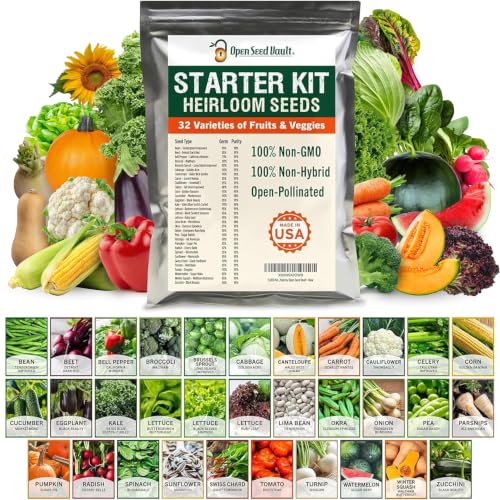
COMPLETE VEGETABLE GARDEN VARIETY PACK – Grow a thriving home garden with 32 popular vegetable seeds including Bean, Beet, Bell Pepper, Broccoli, Brussels Sprout, Cabbage, Cantaloupe, Carrot, Cauliflower, Celery, Corn, Cucumber, Eggplant, Kale, Lettuce (3 types), Lima Bean, Okra, Onion, Pea, Parsnip, Pumpkin, Radish, Spinach, Sunflower, Swiss Chard, Tomato, Turnip, Watermelon, Zucchini. A diverse mix perfect for fresh meals, backyard gardens, and sustainable growing.
Conclusion
Ensuring the longevity of your heirloom carrot seeds is crucial for successful future plantings. By following the proper steps of cleaning, drying, and storing your seeds correctly, you can preserve their viability for seasons to come. Remember to use breathable containers, label them accurately, maintain ideal storage conditions, and regularly inspect your seeds for any signs of moisture or mold. These simple yet essential practices will help safeguard the quality of your heirloom carrot seeds, allowing you to enjoy a bountiful harvest year after year. Happy gardening!
Frequently Asked Questions
How should I store carrot seeds after harvesting?
After harvesting, store carrot seeds in breathable containers like paper envelopes. Label containers with seed variety and harvest date. Store seeds in a cool, dry place away from sunlight. Check periodically for moisture or mold.
What are the key tips for storing carrot seeds effectively?
Choose breathable containers, label with variety and date, store in a cool, dry place, and check for moisture or mold regularly.
How can I maintain the quality of carrot seeds during storage?
To maintain quality, use proper storage containers, label each container, ensure ideal storage conditions, and inspect seeds regularly for any issues.
What is the importance of cleaning, drying, and storing carrot seeds properly?
Cleaning, drying, and storing carrot seeds properly after harvesting is crucial to maintain their viability for future planting. Proper storage practices help preserve seed health and quality.
