

Ever wondered if green beans and cucumbers make the ultimate gardening duo? Picture this: your garden flourishing with vibrant greens and crisp cucumbers, but you’re not quite sure if they’re the perfect match. Well, you’re in for a treat! In this article, we’ll uncover the secrets behind companion planting these two garden favorites.
Benefits of Companion Planting
When green beans and cucumbers are planted together, they offer various benefits that enhance your garden’s health and productivity. Here are some advantages of companion planting these two veggies:
- Pest Control: Cucumbers repel bean beetles that can harm green beans. By interplanting these vegetables, you can naturally deter pests and reduce the need for chemical interventions.
- Space Optimization: Both green beans and cucumbers are climbers, allowing them to grow vertically and take up less space in your garden. This vertical growth can maximize your planting area and increase your overall yield.
- Nutrient Sharing: Green beans have nitrogen-fixing properties, enriching the soil with essential nutrients that benefit cucumbers. In return, cucumbers offer shade to the soil, helping retain moisture and create a favorable environment for green beans.
- Biodiversity: Companion planting promotes biodiversity in your garden by attracting beneficial insects and creating a balanced ecosystem. This can lead to better pollination, improved soil health, and increased resistance to diseases.
- Complementary Growth: The growth habits of green beans and cucumbers complement each other. As green beans grow quickly and provide an early harvest, cucumbers take longer to mature, ensuring a continuous harvest throughout the season.
- Flavor Enhancement: Some gardeners believe that planting green beans and cucumbers together can enhance the flavor of both crops. This synergy in growth may also result in a more flavorful and robust harvest.
- Aesthetic Appeal: Mixing green beans and cucumbers in your garden not only offers practical benefits but also adds visual interest. The contrasting foliage and colors create an attractive and vibrant garden space.
By understanding the benefits of companion planting green beans and cucumbers, you can harness the power of these two plants’ natural compatibility to elevate your gardening experience.
Characteristics of Green Beans
When it comes to green beans, there are a few key characteristics that make them an excellent companion plant:
- Nutrient Fixation: Green beans are legumes that fix nitrogen in the soil, benefiting not only themselves but also neighboring plants.
- Vertical Growth: These plants are known for their climbing abilities, making them ideal for vertical gardening setups to maximize space.
- Rich in Fiber and Vitamins: Green beans are nutrient-dense, providing essential fiber, vitamins, and minerals for a well-rounded diet.
- Adaptable Varieties: With bush and pole varieties available, you can choose the type that best suits your garden setup and preferences.
- Fast-growing: Green beans are quick to mature, offering a relatively fast turnaround from planting to harvest.
- Complementary Growth Patterns: Their upright growth contrasts well with the sprawling nature of cucumber plants, creating a balance in the garden.
- Pest-repellent Properties: Green beans can help deter pests that might affect cucumber plants, promoting a healthier garden ecosystem.
By understanding these characteristics, you can see how green beans bring valuable traits to your garden environment, particularly when paired with companion plants like cucumbers.
Recommended Products
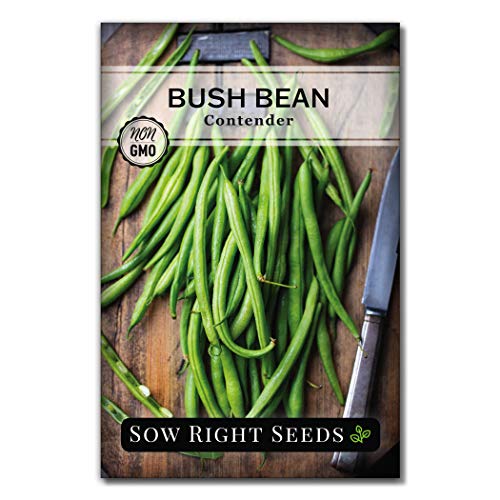
Beautiful - Large premium seed packet of Contender Bush Bean (Phaseolus vulgaris) seeds. Minimum of 16.5g per packet (about 30 seeds). Stringless bush bean that matures early and produces high yields. Adaptable, performing well in short, cool growing seasons or in hot weather. Beans are 5-8" long and retain their flavor when frozen or canned.

High Germination Rate: Heirloom seeds sprout in 5–10 days. Ideal greenbeans for USDA zones 3–11, gardens, raised beds, and containers. Blue lake bush bean seeds have been known in the canning industry for years because of its reliability, huge yields and disease resistance.

🧑🌾 Jade Bush Bean Seeds – A classic bush-type snap bean that grows compactly without the need for trellising. Plants produce straight, deep green pods with a clean snap and tender texture, making them a dependable choice for fresh picking and kitchen use throughout the summer season.
Characteristics of Cucumbers
Cucumbers, like green beans, possess beneficial traits that make them an excellent companion plant in your garden. Here’s why cucumbers stand out:
- Hydration Heroes: Cucumbers are known for their high water content, making them a delicious and hydrating snack on a hot day.
- Nutrient Rich: Packed with vitamins K and C, cucumbers offer a refreshing crunch while providing essential nutrients to support your overall health.
- Versatile Vines: These climbing plants are perfect for small spaces, growing in containers, or trailing along a trellis, adding vertical interest to your garden.
- Pollinator Magnet: Cucumber flowers attract beneficial pollinators like bees, ensuring successful fruit production in your garden.
- Mildew Fighters: Certain cucumber varieties are resistant to powdery mildew, helping to protect not only the cucumbers but also neighboring plants.
With these characteristics, cucumbers make a fantastic companion to green beans, creating a harmonious growing environment that promotes the well-being of your entire garden.
Companion Planting Green Beans and Cucumbers
When Companion Planting Green Beans and Cucumbers, you’re promoting a mutually beneficial relationship between the two plants. Here’s how it works:
- Cucumber vines provide shelter and ground cover for green beans, keeping the soil cool and moist.
- In return, green beans help cucumbers by acting as a natural trellis, allowing them to climb and access more sunlight.
Together, green beans and cucumbers create a balanced ecosystem in your garden:
| Key Points | |
|---|---|
| Cucumbers | – High water content – Nutrient-rich – Attracts pollinators |
| Green Beans | – Fix nitrogen in soil – Improve soil fertility – Deter pests |
Plant them side by side to reap the rewards of Companion Planting Green Beans and Cucumbers.
Best Practices for Growing Green Beans and Cucumbers Together
When planting green beans and cucumbers together in your garden, there are several essential best practices to keep in mind to ensure they thrive harmoniously.
- Spacing: Plant green beans and cucumbers at appropriate distances to avoid overcrowding. Aim for about 6-8 inches between each green bean plant and 12-24 inches between each cucumber plant.
- Support: Provide trellises or cages for cucumbers to climb on, as they love to vine and spread out. Green beans, on the other hand, can use the cucumbers as a natural trellis to grow upward.
- Watering: Both plants require consistent watering, but be cautious not to overwater which can lead to root rot. Aim to water consistently, ensuring the soil is moist but not waterlogged.
- Sunlight: Ensure that your garden bed receives 6-8 hours of sunlight per day for optimal growth of green beans and cucumbers.
- Pruning: Regularly prune any dead or damaged leaves to prevent the spread of diseases and pests that can harm both plants.
- Mulching: Mulch around the base of the plants to retain moisture and deter weed growth, keeping your green beans and cucumbers healthy.
By following these best practices, you can successfully grow green beans and cucumbers together, maximizing the benefits of their companion planting relationship in your garden.
Recommended Products

【Package included】:Crafted from robust hollow steel, this garden stakes features a fade-resistant green plastic coating, offering reliable protection against wind, rain, and rust. This Trellis for Climbing Plants Outdoor comes complete with everything you need to get started: 17pcs metal stakes, 8pcs T shape connect pipe, 2 A-shaped connectors, and a 0.9x1.8meter bird net.
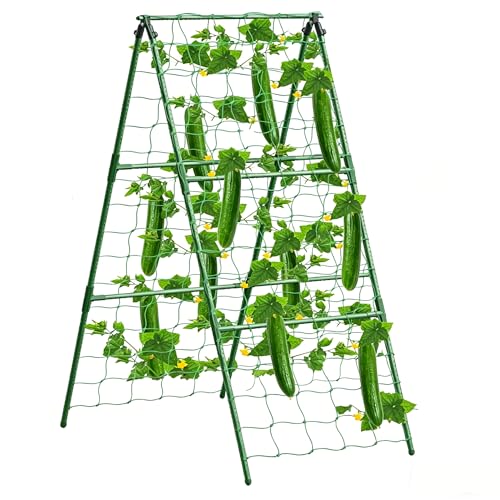
【Package included】:This Trellis for Climbing Plants Outdoor comes complete with everything you need to get started: 17pcs metal stakes, 8pcs T shape connect pipe, 2 A-shaped connectors, and a 0.9x1.8meter plant net.

【Rust-Resistant Material】: Cucumber trellis is constructed with high-quality galvanized steel inner pipes and an exterior plastic coating, forming a dual-layer rust-proof barrier to ensure long-lasting durability
Conclusion
You now have the key insights to successfully cultivate green beans and cucumbers side by side in your garden. By implementing proper spacing, support, watering, sunlight exposure, pruning, and mulching techniques, you can optimize the growth of these plants. Embrace the benefits of their companion planting relationship to enhance your garden’s vitality and yield. Happy gardening!
Frequently Asked Questions
Can I grow green beans and cucumbers together in a garden?
Yes, you can grow green beans and cucumbers together in a garden. These plants complement each other well and can thrive in the same space if proper care is taken.
What are the key practices for successful growth of green beans and cucumbers together?
Key practices include providing adequate spacing between plants, offering support for vertical growth (trellises or stakes), consistent watering, ensuring sufficient sunlight exposure, regular pruning of dead or diseased leaves, and applying mulch to retain moisture and suppress weeds.
How does companion planting of green beans and cucumbers benefit the garden?
Companion planting of green beans and cucumbers can benefit the garden by maximizing space utilization, improving soil health through nitrogen fixation by green beans, reducing pests through natural repellent properties, and enhancing overall garden productivity.
What is the importance of mulching in growing green beans and cucumbers together?
Mulching is important in growing green beans and cucumbers together as it helps retain soil moisture, regulates soil temperature, suppresses weed growth, and enhances nutrient availability for the plants, promoting healthy growth and increased yield.
