

Ever wondered why your carrots don’t grow as big as you expected? Are you struggling with overcrowded carrot seedlings in your garden? You might be missing a crucial step: thinning. Picture this – you planted your carrots with care and excitement, only to find them competing for space and nutrients. But fret not, because in this article, you’ll discover the importance of thinning carrots and how it can make a world of difference in your harvest. By the end, you’ll be equipped with the knowledge to ensure your carrots thrive and reach their full potential.
Understanding the Importance of Thinning Carrots
When it comes to growing carrots, thinning plays a crucial role in ensuring they reach their full potential. Let’s dive into why thinning is such an important part of successful carrot cultivation.
Why Thin Carrots?
Carrot seeds are tiny and often sown close together. As they sprout and grow, these seeds can lead to overcrowding among the seedlings. Thinning helps create space for the remaining carrots to develop properly by reducing competition for nutrients, water, and sunlight.
Impact on Carrot Growth
By thinning out excess seedlings, you allow the remaining carrots to establish strong root systems and access the resources they need to grow bigger and develop their sweet flavor. Overcrowded carrots can end up stunted and misshapen, affecting both the quality and quantity of your harvest.
How to Thin Carrots
- Wait for the right time: Thin when the carrot seedlings are a few inches tall.
- Choose the strongest seedlings: Keep the healthiest ones and remove the weakest.
- Space them out: Aim for 1-3 inches between each remaining seedling.
Tips for Success
- Regular checks: Monitor your carrot patch to identify when thinning is necessary.
- Don’t pull, snip: Use scissors to cut the unwanted seedlings at soil level for minimal disturbance.
- Remember to water: After thinning, give your carrots a good drink to help them recover.
Wrapping Up
Understanding the importance of thinning carrots can make a significant difference in the quality and yield of your harvest. By following these simple steps, you can set your carrots on the path to success.
When to Thin Your Carrots
So, when exactly should you start thinning your carrots? Here are some key points to consider:
- Wait until your carrot seedlings have grown to about 2 inches tall.
- Typically, this occurs around 2 to 3 weeks after planting.
- At this stage, the seedlings should have at least two sets of true leaves.
Remember, thinning too early can disrupt the growth of your carrots. Give them a bit of time to establish themselves before you start the thinning process.
Recommended Products

HELPING YOU GARDEN BETTER: Get ready for a huge harvest from your vegetable garden! Inspired by the Square Foot Gardening method, our patented seed-spacing template is fun for all ages and experience levels.

Package Details: You will get 1 mini seeder set, which includes 4 pieces of seeders, 2 pieces of shovels and 5 pieces of boxes, fully equipped, which can well improve your sowing efficiency.

True Gourmet Baby Carrots: Unlike shaved-down grocery store versions, Little Finger is a true miniature carrot bred for size and taste. Each root grows to about 4 inches long, with a blunt tip and sweet, crisp flavor—ideal for roasting whole or serving with elegant greens intact.
How to Properly Thin Your Carrots
When it comes to thinning your carrots, it is essential to follow these steps to ensure optimal growth:
- Wait for the right time: You should start thinning your carrot seedlings when they reach about 2 inches in height and have at least two sets of true leaves. This is crucial to avoid causing damage to the remaining seedlings.
- Select the healthiest seedlings: Look for vigorous and healthy seedlings to keep and allow room for growth. Weak or spindly seedlings should be removed to prevent competition for resources.
- Space them adequately: Provide each carrot seedling with enough space to develop a strong root system. Aim to leave about 3-4 inches between each remaining seedling to promote healthy growth.
- Be gentle: When thinning your carrots, handle the seedlings delicately to avoid damaging the roots of nearby plants. Carefully pull out the unwanted seedlings to minimize disruption to the soil.
- Use the thinnings: Don’t let those pulled carrot seedlings go to waste! Consider adding them to your salads or using them as microgreens for an extra culinary treat. Reduce, reuse, and recycle even in your garden!
Recommended Products

Made of plastic, Simple and easy to use of the plant sow seeds dispenser
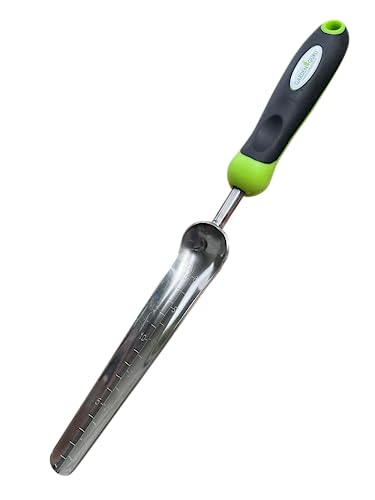
PERFECT SEED PLANTING TROWEL – Narrow edge to easily fit in small spaces. Ideal for planting seeds and transplanting small plants, vegetables, flowers in narrow and hard to reach spaces.
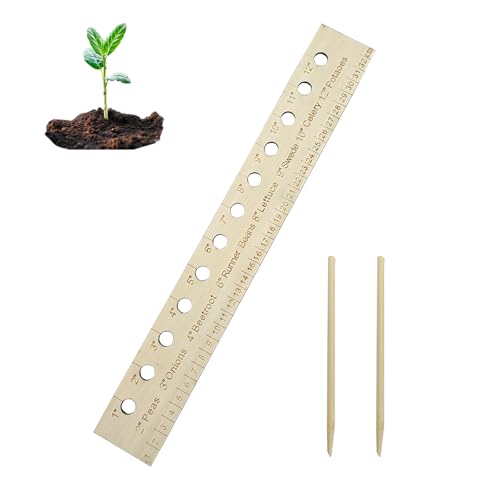
1. Precise Planting and Spacing: This seed spacer and planting ruler ensures accurate and consistent spacing for your vegetable gardens and yard, promoting healthy plant growth.
Common Mistakes to Avoid When Thinning Carrots
When thinning your carrot seedlings, it’s important to be cautious and avoid some common mistakes that can hinder their growth. Here are a few things to keep in mind:
- Thinning Too Late: Waiting too long to thin your carrots can lead to overcrowding and stunted growth. Ensure you thin them when they reach about 2 inches tall.
- Rough Handling: Being too rough when thinning can cause damage to the remaining seedlings. Handle them gently to prevent harm.
- Ignoring Spacing: Neglecting to space out your carrot seedlings properly can result in misshapen or forked roots. Aim for a spacing of 3-4 inches between each plant.
- Wasting Thinned Seedlings: Instead of discarding the thinned seedlings, consider using them in salads or as microgreens to make the most of your harvest.
By avoiding these common mistakes, you can help your carrot seedlings thrive and produce a bountiful harvest.
Maximizing Your Carrot Harvest
When looking to maximize your carrot harvest, thinning your carrot seedlings is a crucial step in ensuring healthy and robust growth. Here are some key points to consider:
- Thinning promotes adequate spacing for each carrot to develop fully, reducing competition for nutrients and sunlight.
- Ensure proper spacing between carrot plants, typically 3-4 inches apart, to allow room for the roots to expand without crowding.
- Thinning early in the growth stage helps prevent stunted or misshapen carrots due to overcrowding.
- Utilize thinned seedlings by incorporating them into salads or as nutrient-packed microgreens to avoid waste and maximize yield.
By following these guidelines, you can set the stage for a bountiful carrot harvest in your garden.
Recommended Products

🌱Durable Material: The whole body of the plant transplanting tongs is made of high-quality stainless steel, easy to clean and does not rust, very durable.

12 Piece Set-Meeting Different Needs: Our gardening tool set contains a garden rake, gardening shovel, garden trowel, two different shaped plant tweezers, 1pcs garden shears, 2pcs gardening shears, dustpan brush, spatula, hole punch, and transplant garden hand fork. A single purchase for all your different needs, saving you time for selection

Pre‑Spaced Water‑Soluble Sowing Tape: Simp ly lay the se wa ter soluble plant tapes in soil to achieve convenient sowing with grains locked at uniform spacing. The water‑soluble carrier quickly disappears after watering, promoting healthy plant growth by preventing twisted seedlings. An ideal solution for vegetable patches and flower borders
Conclusion
Thinning your carrot seedlings is key to ensuring a plentiful harvest. By providing adequate space for each carrot to thrive, you can prevent stunted growth and enhance nutrient absorption. Remember, maintaining a distance of 3-4 inches between plants is vital for optimal root development. Don’t forget to make use of thinned seedlings in your meals to make the most of your garden produce. Happy gardening and enjoy your bountiful carrot harvest!
Frequently Asked Questions
Why is thinning carrot seedlings important?
Thinning carrot seedlings is crucial to provide adequate spacing for each plant to grow fully, reducing competition for nutrients and sunlight. This practice promotes proper root expansion, preventing stunted growth and ensuring a bountiful harvest.
What is the recommended spacing between carrot seedlings?
To allow ample room for growth, it is advised to space carrot seedlings approximately 3-4 inches apart. This spacing ensures each plant has sufficient space for root development and access to essential nutrients for optimal growth.
How can thinned carrot seedlings be utilized?
Thinned carrot seedlings can be repurposed in various ways, such as adding them to salads or using them as microgreens. This not only reduces waste but also enhances overall yield by maximizing the use of the thinned plants.
What are the benefits of following thinning guidelines?
By adhering to proper thinning practices, you can promote healthier carrot growth, prevent overcrowding, and ultimately increase your harvest yield. Thinning ensures that each plant has the necessary resources to thrive and produce high-quality carrots in your garden.
