

Ever wondered if that broccoli you cut will come back for a second round? Picture this: you’re in your kitchen, knife in hand, eyeing that fresh broccoli bunch. You slice off the florets, but what happens next? Will it sprout again, or is it a one-time deal?
In this article, you’ll uncover the mystery behind the resilience of broccoli. You’ll learn whether that trimmed stalk can make a comeback, saving you another trip to the store. Stay tuned to find out how to potentially extend the life of your broccoli and make the most of your veggie harvest.
The Regrowth Potential of Broccoli
Wondering if your broccoli will sprout again after being cut? Let’s delve into the regrowth potential of this resilient vegetable.
Broccoli’s Ability to Regrow
- Broccoli has the remarkable ability to regenerate side shoots after the main head is harvested.
- By cutting the central head at the right angle, you can encourage new growth from the remaining plant.
Optimal Conditions for Regrowth
- Ensuring your broccoli plant receives adequate sunlight, water, and nutrients is crucial for stimulating regrowth.
- Trimming the stalk at the correct height can promote the development of secondary heads.
Harvesting the Secondary Heads
- Once the side shoots reach a suitable size, you can harvest them as you would the main head.
- Regularly checking your broccoli plant for new growth allows you to maximize your harvest.
Your Role in the Regrowth Process
- Monitoring your plant’s progress and providing it with proper care are key to encouraging regrowth.
- With patience and attention to detail, you can enjoy a continuous supply of fresh broccoli from a single plant.
- Prune your plant carefully to promote secondary head growth.
- Maintain a consistent watering schedule to keep your broccoli healthy and thriving.
- Experiment with different growing methods to optimize regrowth and extend your harvest season.
Factors Affecting Broccoli’s Ability to Grow Back
When it comes to broccoli regrowth, various factors can influence the plant’s ability to produce secondary heads. Understanding these factors can help you optimize conditions for successful regrowth:
- Sunlight: Broccoli thrives in full sun, needing at least 6 hours of direct sunlight daily for optimal growth.
- Watering: Ensure consistent moisture levels in the soil, 1-1.5 inches per week, to support healthy regrowth.
- Nutrients: Broccoli is a heavy feeder, requiring rich soil and regular applications of organic fertilizer for robust growth.
- Temperature: Maintain cool temperatures around 60-65°F to promote the development of new shoots.
- Spacing: Adequate spacing between plants allows for better air circulation, reducing the risk of diseases that can hinder regrowth.
- Soil Quality: Well-draining, nutrient-rich soil with a pH level between 6.0-7.0 creates an ideal environment for broccoli to regrow.
By meticulously managing these factors, you can enhance your broccoli’s regrowth potential and enjoy a continuous harvest of fresh, home-grown produce.
Steps to Encourage Broccoli Regrowth
To promote broccoli regrowth after harvesting, follow these key steps:
- Trimming Techniques:
- After cutting the main head, leave side shoots on the plant to develop into new heads.
- Consistent Watering:
- Ensure your broccoli receives 1-1.5 inches of water per week to support strong regrowth.
- Nutrient-Rich Soil:
- Provide a balanced fertilizer rich in nitrogen, phosphorus, and potassium to nourish regrowing broccoli.
- Temperature Considerations:
- Maintain cool temperatures around 60-65°F for optimal regrowth conditions.
- Proper Spacing:
- Space broccoli plants 18-24 inches apart to allow ample room for regrowth.
- Soil Quality:
- Opt for well-draining soil with a pH level between 6.0-7.0 to support healthy regrowth.
By following these steps diligently, you can maximize your chances of enjoying continuous harvests of fresh, delicious broccoli from your garden.
Recommended Products
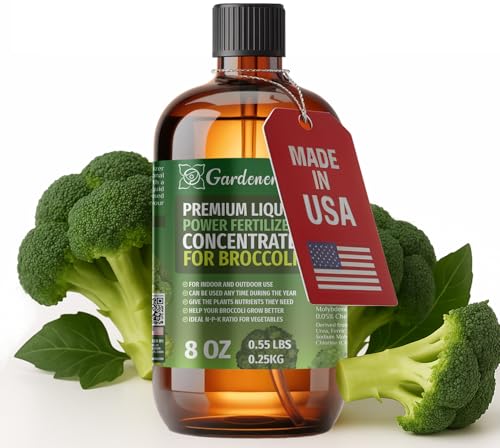
🥦 CUSTOMIZED FOR BROCCOLI DEVELOPMENT – Gardenera LIQUID POWER Broccoli Fertilizer is specially formulated to promote vigorous growth, tight crown formation, and bold green heads across all broccoli types including Calabrese, Romanesco, and sprouting varieties.

Inoculant attaches to the roots to produce Free Nitrogen for the Plant

Safe for the Environment: Non-toxic and safe for beneficial insects, pollinators, pets, and the surrounding ecosystem, promoting a healthier garden environment.
Harvesting Broccoli for Maximum Yield
Harvesting Broccoli for Maximum Yield
When harvesting broccoli, be mindful of how you cut the main head to encourage regrowth. Cut the main head at a diagonal angle to promote side shoot growth. By leaving 5-6 inches of stem, you allow room for new heads to develop. Remember, side shoots will form within a week of the main harvest if you cut the head correctly.
Recommended Products
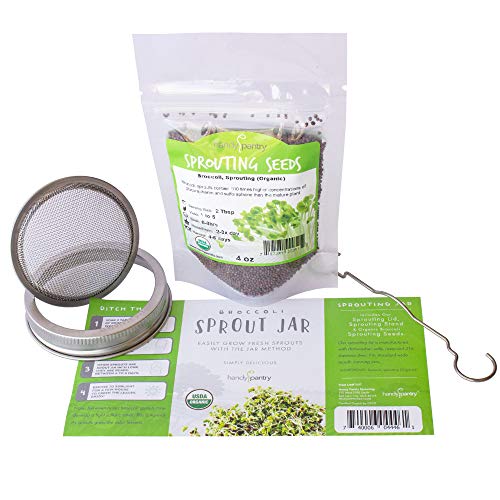
🥦 NON-GMO BROCCOLI SEED SPROUTING KIT - Our Handy Pantry sprouting kit includes one (1) Trellis + Co. stainless steel sprouting lid, 4 oz bag of non-GMO organic broccoli sprouting seeds, one stainless steel sprouting stand, and additional sprouting instructions for successful hydroponic sprouts.

🌱 Ready-to-Use Formula: No mixing required! Our silica spray is pre-mixed for easy application on broccoli plants.

🌿 READY-TO-USE CONVENIENCE – Skip the hassle of measuring and mixing. This LIQUID POWER broccoli fertilizer spray comes fully premixed in an easy-to-use spray bottle, ready for immediate application to your garden or indoor plants.
Tips for Continued Growth
After the initial harvest, continue to care for your broccoli plants to ensure a bountiful yield. Regular watering of 1-1.5 inches per week and applying a balanced fertilizer with nitrogen, phosphorus, and potassium can facilitate healthy regrowth. Additionally, maintain cool temperatures and space plants 18-24 inches apart for optimal growth conditions.
Maximizing Your Harvests
To maximize your broccoli harvests, focus on maintaining well-draining soil with a pH level between 6.0-7.0. By considering these factors and consistently following care guidelines, you can enjoy a continuous supply of fresh broccoli from your garden.
Remember, each step you take to care for your broccoli plants contributes to their regrowth and overall yield. By implementing these strategies, you can cultivate a thriving broccoli garden that provides you with delicious, homegrown produce throughout the growing season.
Conclusion
So, remember to harvest your broccoli with care, leaving enough stem for new heads to grow. Keep up with post-harvest care like watering, fertilizing, and maintaining ideal conditions. By paying attention to soil quality and pH levels, you’ll ensure a bountiful broccoli harvest all season long. Happy gardening!
Frequently Asked Questions
How should broccoli be harvested for regrowth?
Harvest broccoli by cutting the main head at a diagonal angle, leaving 5-6 inches of stem for new heads to develop.
What care should be provided post-harvest for broccoli?
After harvesting, provide regular watering, balanced fertilizer application, maintain cool temperatures, and ensure proper plant spacing.
How can gardeners maximize their broccoli harvests?
Focus on soil quality and pH levels to maximize broccoli harvests and enjoy a continuous supply of fresh produce throughout the growing season.
