

Have you noticed your water lettuce turning yellow? You’re not alone. Many plant lovers face this frustrating issue, and it can leave you scratching your head. Yellowing leaves can signal a range of problems, from nutrient deficiencies to environmental stress.
Key Takeaways
- Yellowing water lettuce often indicates issues such as poor water quality, nutrient deficiencies, or excessive sunlight exposure.
- Regularly test water parameters like ammonia and pH to maintain optimal conditions for healthy growth.
- Nutrient deficiencies can be addressed by using a balanced liquid fertilizer, focusing on essential nutrients like nitrogen, potassium, and phosphorus.
- Monitor leaf color and growth patterns to catch early signs of distress in your water lettuce.
- Implement preventative measures, such as routine water changes and providing adequate indirect sunlight, to maintain vibrant green leaves.
- Adjust care practices seasonally to accommodate changing environmental conditions, ensuring consistently healthy water lettuce.
Common Reasons for Yellowing Water Lettuce
Yellowing water lettuce can signal various issues in your aquatic environment. Understanding these reasons helps you take corrective measures quickly.
Recommended Products

Made for Water-Grown Plants – Formulated to support healthy growth in plants grown directly in water.
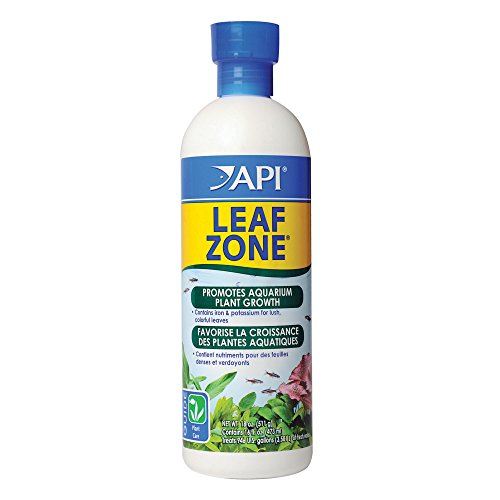
Contains one (1) API LEAF ZONE Freshwater Aquarium Plant Fertilizer 16-Ounce Bottle

Product Type: ARTIFICIAL PLANT
Poor Water Quality
Poor water quality can cause water lettuce to yellow. High levels of ammonia and nitrites create a toxic environment, stressing the plants. Test your water regularly to check these levels. If you find imbalances, perform partial water changes. Using a high-quality water conditioner can also help improve overall water quality. Aim for a pH between 6.5 and 7.5 for optimal growth.
Nutrient Deficiencies
Nutrient deficiencies often lead to yellowing leaves. Water lettuce requires essential nutrients like nitrogen, potassium, and phosphorus to thrive. If your plants lack these nutrients, you might notice yellowing and stunted growth. Consider adding a balanced liquid fertilizer specifically for aquatic plants. Apply it according to the product instructions, typically every two weeks during the growing season.
Excessive Sunlight
Excessive sunlight can also be a culprit in yellowing water lettuce. While these plants enjoy bright conditions, too much direct sunlight can scorch their leaves. If you observe yellowing, try shading your water lettuce during peak sunlight hours. You can use floating plants or a shade cloth to reduce direct light exposure. Ensure your plants receive about 6 to 8 hours of indirect sunlight for healthy growth.
Signs to Look For
Identifying signs of distress in your water lettuce helps in addressing issues early. Two primary indicators to monitor are leaf color changes and growth patterns.
Leaf Color Changes
Observe the leaves closely. Yellow leaves often signal nutrient deficiencies or environmental stress. For instance, if you notice a few leaves turning yellow while others remain green, it may indicate a localized nutrient issue. However, widespread yellowing across multiple leaves suggests a more systemic problem, often related to water quality or insufficient sunlight. The ideal leaf color should be a vibrant green; any deviation signals an underlying issue needing attention.
Growth Patterns
Watch the growth rate and size of your water lettuce. Healthy plants typically grow rapidly, with lush, large leaves. If growth slows or becomes stunted, it might relate to inadequate light or nutrient availability. Additionally, if water lettuce starts to develop smaller, pale leaves, this often indicates a nutrient deficiency, particularly nitrogen, potassium, or phosphorus. Regularly assess growth patterns to catch problems early and keep your water lettuce thriving.
How to Restore Healthy Water Lettuce
Restoring healthy water lettuce involves addressing both water conditions and nutrient needs. Follow these tips to improve your plant’s health.
Recommended Products
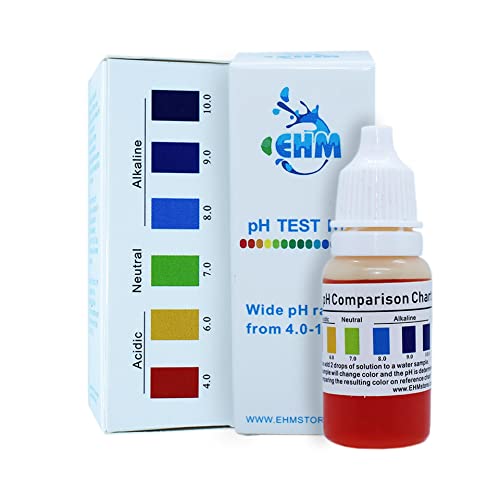
Test any clear liquid in a pH range of 4.0-10.0

Contains one (1) API POND WIDE RANGE pH TEST KIT 160-Test Pond Water Test Kit, including 1 bottle of testing solution, 1 color card and 1 test tube with cap

Contains one (1) API HIGH RANGE PH TEST KIT 160-Test Freshwater and Saltwater Aquarium Water Test Kit, including 1 bottle of testing solution, 1 color card and 1 test tube with cap
Adjusting Water Conditions
- Test Water Quality: Regularly check ammonia, nitrite, and nitrate levels using a water test kit. Aim for ammonia and nitrites at 0 ppm for optimal health.
- Change Water: Perform partial water changes of 20-30% weekly to maintain a balanced environment. This helps reduce toxin levels and improves plant health.
- Control pH Levels: Make sure the pH stays between 6.5 and 7.5. Use a pH test kit to monitor levels, adjusting them with pH up or down solutions as needed.
- Provide Adequate Temperature: Maintain water temperatures between 70°F and 85°F. Sudden fluctuations can stress the plants.
- Limit Direct Sunlight: Reduce exposure to harsh sunlight. Provide indirect sunlight for 6-8 hours daily. Use floating shade like lily pads if needed.
- Choose a Balanced Fertilizer: Use liquid fertilizers with nutrients, focusing on nitrogen, potassium, and phosphorus. A 20-20-20 formulation works well.
- Follow Application Guidelines: Dilute the fertilizer according to the manufacturer’s instructions. Over-fertilization can harm plants and worsen yellowing.
- Apply Fertilizer Regularly: Fertilize every 3-4 weeks during the growing season to ensure consistent nutrient availability.
- Observe Plant Reaction: Monitor your water lettuce after fertilization. If yellowing persists or worsens, consider adjusting your fertilizer choice or frequency.
- Experiment with Organic Options: Explore organic fertilizers, such as fish emulsion or seaweed extract. These can offer gentle nourishment and improve plant health.
Implement these strategies to promote vibrant green water lettuce and restore its overall health.
Preventative Measures
Maintaining healthy water lettuce involves consistent care and attention to environmental factors. This section covers essential best practices and seasonal tips to keep your plants thriving.
Recommended Products

Contains one (1) API FRESHWATER MASTER TEST KIT 800-Test Freshwater Aquarium Water Master Test Kit, including 7 bottles of testing solutions, 1 color card and 4 tubes with cap

Clear Range: This house water testing kit offers clear, easy to read results and acceptable ranges for all substances. The water contaminant tester delivers clear results on any type of water

Ph Test Kit
Best Practices for Maintaining Water Lettuce
- Test Water Regularly: Check ammonia, nitrite, and nitrate levels weekly. Make necessary adjustments to ensure optimal water quality.
- Perform Partial Water Changes: Change 20-30% of the water weekly. This helps remove accumulated toxins and replenishes nutrients.
- Monitor pH Levels: Keep pH between 6.5 and 7.5. Use pH test kits to confirm levels and adjust as needed with pH Up or Down solutions.
- Fertilize Appropriately: Use a balanced liquid fertilizer every 3-4 weeks during the growing season. Monitor the plants for signs of stress to adjust the frequency or amount.
- Regulate Water Temperature: Maintain temperatures between 70°F and 85°F. Use heaters or aerators if necessary to stabilize temperature during fluctuating weather conditions.
- Provide Adequate Sunlight: Ensure water lettuce receives 6 to 8 hours of indirect sunlight. Use shade cloths if direct sunlight becomes excessive.
- Spring: As temperatures rise, increase your fertilization routine. Perform more frequent water changes to support new growth.
- Summer: Watch for excessive sunlight. Use shade cloths or move the plants to a spot that offers partial shade during peak sun hours.
- Fall: Prepare for cooler temperatures by monitoring water levels closely. Adjust the feeding schedule based on the plants’ growth patterns.
- Winter: Protect your water lettuce from cold drafts. If necessary, bring indoor to maintain warm temperatures and prevent stress.
Implementing these practices ensures your water lettuce maintains vibrant green leaves and continues to thrive in your aquatic environment.
Conclusion
If your water lettuce is turning yellow don’t worry too much. With a little attention and care you can get your plants back on track. Focus on checking water quality and ensuring they get the right nutrients.
Remember to monitor their sunlight exposure and keep an eye on any changes in growth patterns. By implementing some simple practices you’ll create a thriving environment for your water lettuce. Before you know it those vibrant green leaves will be back and your aquatic garden will flourish. Happy gardening!
Frequently Asked Questions
Why are my water lettuce leaves turning yellow?
Yellowing leaves in water lettuce can be a sign of nutrient deficiencies, environmental stress, or poor water quality. Common causes include high ammonia and nitrite levels, low pH, or excessive sunlight. It’s important to monitor these factors to identify and correct the problem.
How do I improve the water quality for my water lettuce?
To improve water quality, regularly test for ammonia, nitrite, and nitrate levels. Perform partial water changes of 20-30% weekly and maintain a pH between 6.5 and 7.5. Keeping water temperatures between 70°F and 85°F also helps create a suitable environment.
What nutrients do water lettuce need?
Water lettuce primarily requires nitrogen, potassium, and phosphorus. Using a balanced liquid fertilizer every 3-4 weeks during the growing season can help address nutrient deficiencies and promote healthy growth.
How much sunlight should water lettuce receive?
Water lettuce typically thrives with 6 to 8 hours of indirect sunlight daily. Avoid excessive direct sunlight during peak hours to prevent leaf scorching. Providing shade during harsh sun can help maintain healthy foliage.
What are the signs of distress in water lettuce?
Signs of distress include yellowing leaves, stunted growth, and smaller or pale leaves. Localized yellowing may indicate specific nutrient issues, while widespread yellowing suggests systemic problems like water quality or insufficient light.
How can I prevent water lettuce from yellowing?
To prevent yellowing, regularly test water quality, perform partial water changes, monitor pH levels, and use balanced fertilizers. Additionally, adjust sunlight exposure based on seasonal changes and protect the plants from cold drafts.
What should I do if my water lettuce grows slowly?
Slow growth can be a sign of nutrient deficiencies or poor water quality. Ensure that water conditions are optimal, provide adequate lighting, and consider using a balanced liquid fertilizer to boost growth during the growing season.
Are there organic options for fertilizing water lettuce?
Yes, there are organic fertilizers available that can enhance nutrient availability for water lettuce. Using organic options can promote healthy growth, vibrancy, and sustainable gardening practices.
