

Ever wondered what temperature is too cold for your lettuce? If you’ve ever tried to grow this leafy green, you know it can be tricky to keep it thriving. Lettuce is sensitive to temperature changes, and knowing the right conditions can make or break your harvest.
Picture this: you’ve nurtured your garden, only to find your lettuce wilting away after a sudden cold snap. It’s frustrating, but you’re not alone. This article will guide you through the ideal temperature range for growing lettuce and help you avoid those chilly pitfalls. By understanding how cold affects your plants, you’ll be better equipped to protect your garden and enjoy fresh, crisp lettuce all season long.
Key Takeaways
- Optimal Temperature Range: Lettuce thrives best between 60°F and 70°F (15°C to 21°C), ensuring robust growth and vibrant leaves.
- Critical Cold Threshold: Temperatures below 28°F (-2°C) pose a risk to lettuce, leading to potential damage or death of the plants.
- Cold Symptoms: Watch for leaf wilting, discoloration, tip burn, and stunted growth to identify cold stress early and react accordingly.
- Protective Strategies: Use row covers and frost blankets to insulate lettuce during cold periods, maintaining a warmer microclimate.
- Cold-Resistant Varieties: Choose resilient varieties like ‘Winter Density’ for improved survival during colder months and increased harvest success.
- Soil and Planting Practices: Ensure proper soil preparation and timing, including soil pH testing and staggered planting, to optimize lettuce growth and yield.
Understanding Lettuce Temperature Tolerance
Knowing lettuce’s temperature tolerance helps you protect your plants. Lettuce thrives within specific temperature ranges, so understanding these limits enhances your chances for a successful harvest.
Recommended Products

※Big Size to cover large area : The size of our plant cover is 10x30ft, the size can cover large areas. You can cut the plant covers freeze protection into different sizes for different use. You can cover it over the plant such as shrub tomato, pepper, pumpkin, and so on.

【All-Purpose Garden Plant Cover】Faraer Floating Row Cover is a polypropylene garden covers that transmits 70 percent of available light. It keeps heat in, bugs out, and is an excellent windbreak for young transplants. It allows rain and overhead irrigation to reach plants and soil. Secure with ground stakes (sold separately).
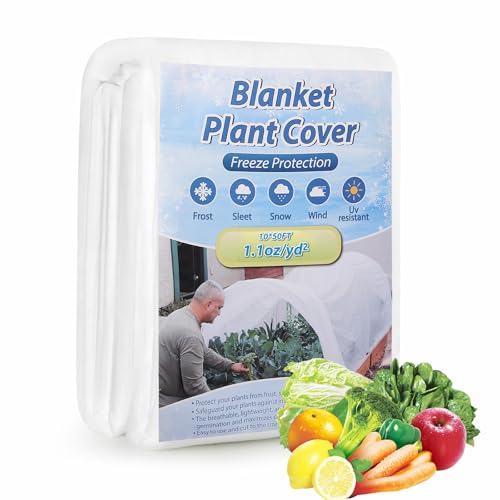
Frost Blankets for Outdoor Plants: The plant cover freeze protection provides outstanding protection for your plants and crops against harsh weather. Made from thickness 1.1 oz/yd² fabric, it effectively shields your greenery from frost, snow, and even unwanted animal interference, ensuring your plants thrive year-round.
Ideal Growing Conditions
Lettuce grows best in temperatures between 60°F and 70°F (15°C to 21°C). In these conditions, plants develop robust leaves and vibrant colors. Ideal moisture levels also play a part; keep the soil consistently moist but not soggy. Exposure to sunlight impacts growth as well. Aim for around 12 to 16 hours of light each day for optimal development.
Minimum Temperature Requirements
Lettuce can tolerate brief periods of cold. However, temperatures below 28°F (-2°C) can damage or kill your plants. If nighttime temperatures drop close to this threshold, consider using row covers or mulch. These tools help insulate plants, providing a buffer against chilling effects. Additionally, variety matters. Some lettuce types, like ‘Winter Density,’ withstand lower temps better. Choosing resilient varieties can help you extend your growing season successfully.
Effects of Cold Weather on Lettuce
Cold weather significantly impacts lettuce growth and health. Understanding these effects can help you make informed decisions for your lettuce crops.
Cold Damage Symptoms
Cold temperatures trigger specific symptoms in lettuce. You may notice:
- Leaf Wilting: Leaves lose turgor and may droop, indicating stress.
- Discoloration: Leaves may appear pale or develop dark spots.
- Tip Burn: Edges of leaves may brown and dry out.
- Slow Growth: Plants exhibit reduced growth rates, impacting overall yield.
Recognizing these symptoms early allows you to implement protective measures.
Growth Impacts
Cold weather influences lettuce growth patterns. Key impacts include:
- Stunted Growth: Prolonged exposure to temperatures below 28°F (-2°C) slows development and may halt growth entirely.
- Reduced Yield: When growth slows, the number of marketable heads decreases significantly.
- Altered Flavor: Cold conditions can make leaves taste more bitter.
To mitigate these effects, consider protecting your crops with row covers or frost blankets when temperatures drop. Selecting cold-tolerant varieties also enhances your chances of a productive harvest during cooler months.
Strategies for Protecting Lettuce from Cold
Protecting lettuce from cold temperatures is essential for maintaining its health and harvest quality. Several techniques can enhance your lettuce’s resilience against the chill.
Recommended Products

Product Features: Our plant covers are ideal for protecting all plant. Made from premium 1 oz/sq non-woven fabric, their durability and breathability ensuring both insulation against frost and facilitation of sunlight penetration for healthy plant growth

THICKER MATERIAL: Our plant freeze protection cover is made of UV stabilized polypropylene. Upgraded thicker 0.9oz./sq.yard lightweight but durable. Soft plant covers are friendly and no harm to your plants. Breathable non-woven fabric allow light, air go through the frost cloths and reach the plants.

【Best Winterize Protections for Plants & Trees】 Extra Stable Plant Blanket creates and retains warmth while protecting against frosts (down to 38 degrees F.), harsh weather, birds, animals and insect. Faraer 1.06 oz. fabric thick fabric is ideal for extending the growing season into early spring and late fall, or for insulating strawberries, herbs, perennials, small fruits, and other tender landscape plants all winter long.
Using Row Covers
Row covers act as a protective barrier against low temperatures and harsh weather. They come in various materials, such as lightweight fabric or plastic, and can trap heat, creating a warmer microclimate for your plants.
- Choose the Right Material: Select lightweight row covers for cooler nights. These allow sunlight to penetrate while providing insulation.
- Install Early: Position the row covers before temperatures drop. Doing this in advance helps your plants acclimate.
- Secure Edges: Make sure to anchor down the edges using soil, rocks, or stakes. This prevents wind from blowing the covers away.
- Monitor Moisture: Check for condensation under the covers. Proper airflow is key to preventing mold and mildew.
Choosing Cold-Resistant Varieties
Cold-resistant lettuce varieties can thrive in lower temperatures, making your garden more robust during winter months.
- Opt for Resilient Varieties: Look for types like ‘Winter Density’ and ‘Arugula.’ These species handle cold stress better than others.
- Consider Planting Date: Start your cold-tolerant varieties later in the season. This maximizes their growth before the coldest weather arrives.
- Experiment with Succession Planting: Plant in intervals to stagger your harvest. This strategy ensures you have fresh lettuce available over extended periods.
- Review Local Varietals: Check with local nurseries for lettuce varieties best suited to your climatic conditions. Local experts can often provide insights on the most resilient options for your area.
Implementing these strategies not only boosts your lettuce’s chances of surviving cold spells but also supports a healthy, productive garden throughout the growing season.
Gardening Practices for Optimal Lettuce Growth
Optimizing your gardening practices can lead to healthier lettuce plants and a better yield. You’ll find that details matter, from preparing the soil to timing your planting properly.
Recommended Products

Sized Fit and Durable Build: raised bed cover is made of PVC coated fabric with galvanized steel support pieces for reliable seasonal use; Each cover measures 38.98 x 17.72 x 15.75 inch / 99.0 x 45.0 x 40.0 cm, and each stake measures 1.57 x 7.87 inch / 4.0 x 20.0 cm

【2-IN-1 DESIGN】This Warmfarm garden cloche tunnel comes assembled with 6 hoop stakes & a drawstring to open and close the access points. Accessible from either end & folds accordion style to allow access to any part of your garden row with ease!

Cold-Weather Shield: transparent PVC traps warmth while letting sunlight through; shields potted plants from frost, cold wind, and snow; check on them without lifting the cover; protects in temperatures down to 20 °F
Soil Preparation
Soil preparation is vital for robust lettuce growth. Begin by testing your soil for pH. Lettuce prefers a pH of 6.0 to 6.8. Amend your soil with compost or well-rotted manure to improve drainage and nutrient content.
Mix in a balanced fertilizer before planting. For example, a 10-10-10 or 5-10-5 NPK fertilizer works well. Aim for a soil temperature of at least 50°F (10°C) at planting time, as this supports germination. Clear away any debris from previous crops to reduce pest and disease risks.
Timing Your Planting
Timing your planting perfectly helps you avoid cold snaps that can damage lettuce. Start seeds indoors about 4 to 6 weeks before the last expected frost date or sow seeds directly in the garden as soon as the soil warms in early spring.
For fall planting, sow seeds 6 to 8 weeks before the average first frost. Pay attention to weather forecasts. If a cold snap threatens, use row covers or cloches to protect young seedlings. You can also stagger planting every 2 to 3 weeks to ensure a continuous harvest throughout the growing season.
By following these practices, you set the stage for healthier lettuce and a more productive garden.
Conclusion
Growing lettuce can be a rewarding experience when you understand its temperature needs. Keeping your plants within that sweet spot of 60°F to 70°F will help ensure a bountiful harvest. When temperatures dip too low it’s crucial to take action to protect your crops.
Using row covers or choosing cold-tolerant varieties can make a big difference. By staying vigilant and implementing these strategies you can enjoy fresh and flavorful lettuce throughout the growing season. Happy gardening and may your lettuce thrive!
Frequently Asked Questions
What temperature is ideal for growing lettuce?
Lettuce grows best in temperatures between 60°F and 70°F (15°C to 21°C). These conditions promote robust growth, flavor, and higher yields. Monitoring temperature closely is essential for a successful harvest.
What happens to lettuce in cold weather?
Cold weather can cause leaf wilting, discoloration, tip burn, and stunted growth in lettuce. Prolonged exposure to temperatures below 28°F (-2°C) can lead to significant crop loss, affecting both quality and yield.
How can I protect my lettuce from cold temperatures?
To protect lettuce from cold, consider using row covers or mulch to create a warmer microclimate. Choose cold-tolerant varieties like ‘Winter Density,’ and monitor moisture levels to ensure healthy growth.
What soil conditions are best for lettuce?
Lettuce prefers soil with a pH of 6.0 to 6.8. Enrich the soil with compost or well-rotted manure, and ensure a soil temperature of at least 50°F (10°C) at planting time for optimal growth.
When should I plant lettuce for the best results?
Start seeds indoors 4 to 6 weeks before the last frost or sow seeds directly in early spring. For fall planting, sow 6 to 8 weeks before the first frost to ensure a continuous harvest.
