

Have you ever wanted a fresh salad right from your backyard? Imagine stepping outside to harvest crisp, vibrant lettuce whenever you want. Creating a lettuce bed is easier than you might think and can transform your gardening experience.
Key Takeaways
- Understanding Lettuce Beds: A lettuce bed is a designated area in your garden for growing various lettuce types, promoting accessibility and better drainage.
- Preparation is Key: Choose a sunny location with well-draining soil and maintain a pH level between 6.0 and 7.0 to support healthy growth.
- Essential Tools: Use basic gardening tools like a garden spade, rake, and watering can to efficiently prepare and maintain your lettuce bed.
- Planting Tips: Sow seeds ¼ to ½ inch deep and approximately 2 inches apart; label your rows for easy identification of different lettuce varieties.
- Avoid Common Mistakes: Steer clear of overcrowding seeds and ensuring regular, deep watering to prevent bitterness and promote healthy growth.
Understanding Lettuce Beds
Creating a lettuce bed offers a straightforward way to grow your own fresh lettuce at home. This section covers the essentials of what a lettuce bed is and the benefits it provides.
What Is a Lettuce Bed?
A lettuce bed refers to a designated area in your garden where you cultivate lettuce plants. It typically consists of loose, well-aerated soil, making it easy for roots to grow. You can create lettuce beds in traditional rows or utilize raised beds to optimize growth conditions. Each bed can vary in size, accommodating multiple lettuce varieties like romaine, butterhead, or leaf lettuce.
Benefits of Growing Lettuce in Beds
Growing lettuce in beds provides several advantages:
- Accessibility: Beds allow easy access for planting and harvesting. You can reach every plant without stepping on the soil.
- Better Drainage: Beds promote proper drainage, reducing the risk of waterlogged roots. This is crucial for healthy lettuce growth.
- Efficient Use of Space: A lettuce bed maximizes your growing area. You can plant different lettuce types in nearby sections, increasing yield.
- Pest Control: Beds can deter pests. Raised beds, for instance, might be less accessible to ground-dwelling insects.
- Soil Quality Management: With a dedicated bed, you can focus on enhancing soil quality. Regular amendments help maintain nutrient-rich conditions essential for lettuce.
- Extended Growing Season: Beds often warm faster in spring, giving your lettuce an early start. You can use row covers for added protection against cold.
Utilizing these benefits makes establishing and maintaining a lettuce bed worthwhile for your home garden.
Preparing Your Garden Space
Creating an optimal environment for your lettuce bed starts with proper preparation of your garden space. Focus on location and soil to ensure successful growth.
Recommended Products


Includes Back to the Roots Compressed Seed Starting Potting Mix that expands to 12qt of soil. A balanced pH, which means it’s truly all-purpose. Use alone or as an amendment for anything in a pot or in the ground — vegetables, flowers, herbs, and even starting seeds.

Ready-to-Use Formula: No mixing or extra steps required. Simply pour and plant - perfect for gardeners of all experience levels.
Choosing the Right Location
Select a spot that receives full sunlight. Lettuce thrives with at least 6 hours of direct sun each day. Avoid areas with heavy shade from trees or buildings. Ensure good air circulation to prevent diseases. If you have limited space, consider raised beds or containers. This allows you to control your growing conditions more easily.
Soil Requirements
Prepare loose, well-draining soil for your lettuce. Aim for a soil pH between 6.0 and 7.0, which keeps your plants healthy. Till the soil to a depth of about 12 inches to promote root growth. Mix in organic matter, like compost or well-rotted manure, to enhance fertility. Test your soil for nutrients, and adjust with fertilizers as needed. Remember, well-aerated soil helps prevent waterlogging, which can damage lettuce roots.
Materials Needed for a Lettuce Bed
Gathering the right materials makes establishing a lettuce bed easier and more effective. Here’s what you need to get started.
Recommended Products

GARDENING ESSENTIAL: Heavy duty, ergonomic hand cultivator with sharp tines ideal for a variety of gardening tasks like digging in tough soil, aerating soil, removing weeds, and more to encourage overall plant health and appearance
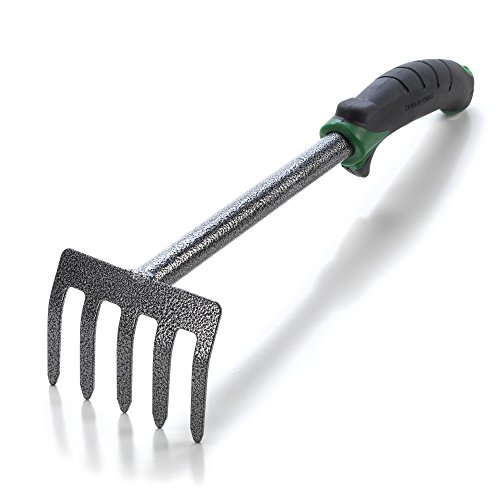
Heavy Duty Carbon Steel can handle the toughest of soils without bending or breaking

3 Tines Claw Rake: The 3 tines claw rake will nicely break and loosen the soil into smaller pieces, this helps aerate the soil so that nutrients, air and water can penetrate deeply into the soil and drain more effectively
Essential Tools and Supplies
- Garden Spade: Use this to turn the soil and break up clumps. A spade helps prepare the planting area efficiently.
- Rake: Employ a rake to level the soil and remove debris. Raking ensures a smooth surface for planting.
- Garden Fork: Incorporate a garden fork for aerating the soil, allowing better water and nutrient absorption.
- Watering Can or Hose: Utilize a watering can or hose for efficient watering. Consistent moisture promotes healthy growth.
- Mulch: Choose organic mulch, such as straw or wood chips, to retain moisture and suppress weeds. Apply a layer around your seedlings.
- Row Markers: Use markers to organize planting rows and ensure proper spacing. This helps keep track of different lettuce varieties planted.
- Romaine: This variety offers crisp leaves and stands well in various conditions. It’s perfect for salads and wraps.
- Butterhead: Known for its sweet, tender leaves, butterhead lettuce grows quickly. It thrives in cooler weather.
- Leaf Lettuce: Available in various colors, leaf lettuce provides a mild flavor and is easy to grow. You can harvest leaves at different growth stages.
- Iceberg: This type features a tight head and crunchy texture. Iceberg lettuce is a popular choice for salads, though it requires more space.
- Mesclun Mix: A blend of young greens, mesclun offers diverse flavors and leaf shapes. This mix allows for varied harvests from a single planting.
Using these materials and seeds, you’ll create an ideal environment for your lettuce bed, ensuring a bountiful harvest.
Step-by-Step Guide to Making a Lettuce Bed
Creating a lettuce bed involves simple, clear steps that lead to a thriving garden. Follow the guidelines below for a successful start.
Recommended Products
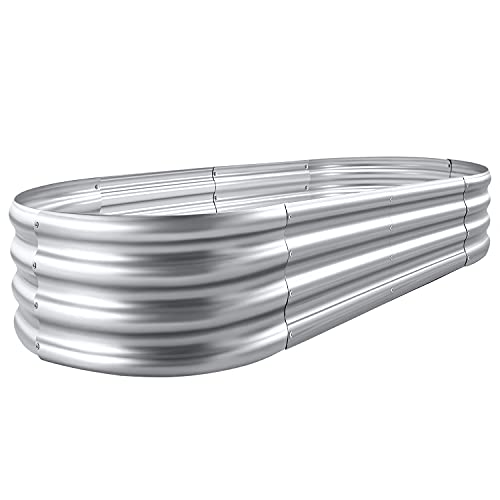
Each raised metal garden bed size: 4×2×1ft ,7.14Cu

SIZE: The plant bed measure is 23.6"L x 23.6"W x 11.8"H. This round planter box provide ample growing space to raise vegetables, flowers and plants.

Raised Garden Beds Outdoor for Gardening Solution: INNO STAGE 4x2x1ft raised bed provide expanded planting area - perfect for organizing vegetables, herbs & flowers. Pair multiple beds for a tidy garden layout. Great gift for gardeners
Preparing the Soil
- Select a Location: Choose a sunny spot that gets at least 6-8 hours of sunlight daily.
- Clear the Area: Remove weeds, rocks, and debris from the chosen spot.
- Test the Soil: Use a soil testing kit to check pH levels. Lettuce prefers a pH between 6.0 and 7.0.
- Amend the Soil: Mix in organic matter like compost to improve soil structure and nutrients. Aim for a 2-4 inch layer mixed with the existing soil.
- Till the Soil: Use a garden spade or tiller to loosen the soil to a depth of about 12 inches. This enhances drainage and root penetration.
Planting the Seeds
- Choose Your Seeds: Select varieties such as Romaine, Butterhead, or Looseleaf. These grow well in various conditions.
- Create Rows: Use a ruler or garden string to mark rows 12-18 inches apart. This spacing allows ample room for growth.
- Sow the Seeds: Plant seeds about ¼ to ½ inch deep. Space them 2 inches apart to minimize overcrowding.
- Cover and Pat Down: Gently cover the seeds with soil and press down lightly to ensure good seed-to-soil contact.
- Label the Rows: Use garden markers to identify each type of lettuce for easy reference.
- Water Gradually: Use a gentle spray or watering can to moisten the soil without washing away seeds. Aim for 1-2 inches of water per week.
- Mulch: Apply a thin layer of mulch, like straw or shredded leaves, around the plants. This retains moisture and suppresses weeds.
- Thin the Seedlings: Once seedlings reach about 2 inches tall, thin them to 6-12 inches apart to avoid competition for nutrients.
- Monitor for Pests: Regularly check for common pests like aphids or snails. Use organic pesticides or natural remedies as needed.
- Harvest: Begin harvesting outer leaves when they reach 4-6 inches tall, allowing the center to continue growing.
Following these steps ensures a well-prepared lettuce bed that yields fresh produce with minimal hassle. Expand your gardening skills by experimenting with different varieties and growing techniques.
Common Mistakes to Avoid
Creating a lettuce bed can be rewarding, but several common mistakes can hinder your success. Avoid these pitfalls for a thriving lettuce garden.
Overcrowding the Seeds
Overcrowding seeds leads to weak plants. Plant each seed about 6 to 12 inches apart, depending on the variety. Thinning seedlings as they grow ensures proper air circulation and room for development. If you notice crowded areas, gently remove some seedlings to promote growth.
Insufficient Watering
Insufficient watering affects lettuce health. Ensure consistent moisture, watering the bed deeply once or twice a week, depending on weather conditions. Check the soil’s top inch; if it feels dry, it’s time to water. Avoid leting the soil dry out completely, as this can cause bitterness in leaves.
Conclusion
Creating a lettuce bed can be a rewarding experience that brings fresh flavors right to your table. By putting in a little effort to prepare your space and follow the steps outlined, you’ll enjoy a bountiful harvest.
Don’t be afraid to experiment with different lettuce varieties and techniques as you grow your gardening skills. With patience and care, your lettuce bed will thrive and provide you with delicious greens for salads sandwiches and more.
So grab your gardening tools and get started on your lettuce bed adventure. Happy gardening!
Frequently Asked Questions
What are the benefits of creating a lettuce bed?
Creating a lettuce bed offers several advantages, including easy access to fresh lettuce, improved drainage, and better pest control. It also allows for an organized growing space, making it easier to maintain and harvest your lettuce.
How do I prepare the soil for a lettuce bed?
To prepare the soil, select a sunny location, test the soil pH, and amend it as necessary. Tilling the soil also helps create optimal conditions for growth. Aim for soil that is rich in organic matter and well-draining for the best results.
What should I consider when choosing lettuce seeds?
When choosing lettuce seeds, consider the type of lettuce you prefer, such as romaine or butterhead, and ensure they are suitable for your growing conditions. Look for varieties that mature at different times to extend your harvest period.
How often should I water my lettuce bed?
Lettuce beds require consistent moisture, especially during dry spells. Water your lettuce deeply about once a week, and more frequently if the weather is particularly hot or dry. Aim to keep the soil moist but not soggy.
What common mistakes should I avoid when growing lettuce?
Common mistakes include overcrowding seeds, failing to thin seedlings, and not providing enough water. Additionally, neglecting pest monitoring can lead to damage. Be sure to follow recommended spacing and care guidelines for a healthy crop.
When is the best time to harvest lettuce?
The best time to harvest lettuce is when the leaves are young and tender, typically around 30 to 70 days after planting, depending on the variety. Check for a good size and leaf quality before cutting, ensuring the best flavor.
