

Ever wondered why your tomato plant leaves are looking a bit droopy? Picture this: you’ve been eagerly nurturing your tomato plants, only to find their leaves sagging down. What could be causing this issue in your beloved garden greens?
In this article, we’ll explore the common reasons behind droopy tomato plant leaves and provide simple solutions to help you revive your plants. By understanding the root causes of this problem, you’ll be equipped with the knowledge to ensure your tomato plants thrive and flourish.
Key Takeaways
- Droopy tomato plant leaves can be a sign of various issues such as underwatering, overwatering, nutrient deficiencies, or pests.
- Proper leaf health is essential for photosynthesis, nutrient absorption, transpiration, and overall plant well-being.
- Common causes of droopy tomato leaves include inadequate watering practices, environmental stress factors, pests, and diseases.
- Solutions for reviving droopy tomato leaves include proper watering techniques, adjusting environmental conditions, and treating pests and diseases promptly.
- Preventive measures like regular monitoring, choosing the right soil and fertilizer are crucial for maintaining healthy tomato plants.
Understanding Tomato Plant Health
Tomato plants, like any other living organism, show signs of distress when their health is compromised. Recognizing these signs and understanding the importance of leaf health are crucial steps in nurturing your tomato plants back to vitality.
Signs of Unhealthy Tomato Plants
When it comes to identifying unhealthy tomato plants, there are specific visual cues you can look out for:
- Droopy Leaves: One common indicator that something is amiss with your tomato plant is droopy leaves. If the leaves appear wilted or limp, it could signal issues such as underwatering, overwatering, nutrient deficiencies, or pests.
- Discoloration: Yellowing or browning of leaves can be a sign of various problems like nutrient deficiencies (e.g., nitrogen deficiency), diseases (e.g., early blight), or environmental stressors (e.g., excessive heat).
- Stunted Growth: Slow or stunted growth compared to what is typical for tomato plants may indicate poor soil quality, lack of sunlight, improper watering practices, or pest infestations.
- Leaf Curling: Curling leaves can be caused by factors such as herbicide damage, viral infections like Tomato Yellow Leaf Curl Virus (TYLCV), or physiological disorders due to inconsistent watering.
By observing these signs promptly and accurately diagnosing the underlying issues affecting your tomato plants’ health, you can take appropriate measures to address them effectively.
Importance of Leaf Health
The leaves of a tomato plant play a vital role in its overall well-being:
- Photosynthesis: Leaves are essential for photosynthesis – the process through which plants convert light energy into chemical energy necessary for growth and development.
- Nutrient Absorption: Healthy leaves facilitate the uptake of nutrients from the soil and their distribution throughout the plant via vascular tissues.
- Transpiration: Through tiny openings called stomata on their undersides, leaves regulate transpiration – the process by which plants release water vapor into the atmosphere. This helps maintain proper moisture levels within the plant.
- Indicator of Plant Health: The condition of a plant’s leaves often serves as an early warning system for underlying problems before they manifest in other parts of the plant.
Ensuring your tomato plant’s leaf health is optimal is key to fostering robust growth and a bountiful harvest while preventing potential issues from escalating further.
Common Causes of Droopy Tomato Leaves
If you’re noticing your tomato plant leaves looking droopy, it’s essential to understand the potential reasons behind this issue. Here are some common causes that could be contributing to your tomato plant’s droopy leaves:
Recommended Products

Contains natural ingredients to feed microbes in the soil

Instantly feeds to grow bigger, more bountiful vegetables versus. unfed plants

(3) bottles 8 OZ, Ready To Use, Tomato & Blossom Set Spray
Inadequate Watering Practices
Improper watering is a frequent culprit behind droopy tomato leaves. Overwatering can lead to root rot, causing the plants to wilt, while underwatering can result in dehydration and wilting as well. Ensure you water your tomato plants consistently, keeping the soil moist but not waterlogged.
Environmental Stress Factors
Environmental stressors such as extreme temperatures, high winds, or excessive sunlight can also cause tomato plant leaves to droop. Make sure your plants are situated in an area with adequate shade and protection from harsh weather conditions to prevent leaf drooping due to environmental factors.
Pests and Diseases
Pests like aphids, spider mites, or diseases such as bacterial spot or fungal infections can weaken tomato plants, leading to droopy leaves. Regularly inspect your plants for any signs of pest infestations or diseases and take appropriate measures such as using organic pesticides or fungicides to protect your tomatoes from these threats.
By addressing these common causes of droopy tomato leaves promptly and implementing appropriate solutions, you can help revive your plants and promote healthy growth for a thriving tomato harvest.
Solutions for Reviving Droopy Tomato Leaves
If you’ve noticed your tomato plant leaves looking droopy, don’t worry; there are effective solutions to help revive them and ensure a bountiful harvest. Let’s explore some practical steps you can take to address this issue.
Recommended Products

【Adjustable valve】 The flow rate can be controlled. The plant watering Device with control valve can control the dripping speed of 0-62 s/drip, and the sustained drip lasts for 1-12 days, The bigger the bottle of water, the longer they water your plants; Water discharge is approx Only adjust the valve to Meet your needs without complicated setup steps.

Package include: You will receive 4 red tomato watering bags in sufficient quantity, each with a diameter of approximately 10 inches, which are perfect for growing tomatoes, peppers, cucumbers, and other vegetables.

PROVIDE WATER PRECISELY WHERE NEEDED - Perfect drip stake for greenhouse, nursery & container gardening.
Proper Watering Techniques
When it comes to watering your tomato plants, consistency is key. Ensure you’re providing an adequate amount of water without overwatering, which can lead to drooping leaves. A good practice is to water deeply but infrequently, allowing the soil to dry out slightly between watering sessions. Consider using a soaker hose or drip irrigation system to deliver water directly to the roots and avoid wetting the foliage excessively.
Adjusting Environmental Conditions
Environmental factors play a significant role in the health of your tomato plants. Make sure your plants are receiving sufficient sunlight, ideally 6-8 hours per day. If temperatures are too high, consider providing shade during the hottest parts of the day to prevent stress on the plants. Additionally, ensure proper air circulation around the plants by avoiding overcrowding and maintaining adequate spacing between them.
Treating Pests and Diseases
Pests and diseases can also cause tomato plant leaves to droop. Keep an eye out for common pests like aphids, spider mites, or whiteflies that may be affecting your plants. Consider using natural remedies like neem oil or insecticidal soap to manage pest infestations effectively. For diseases such as fungal infections, remove affected leaves promptly and consider applying fungicides as needed following manufacturer instructions.
By implementing these solutions and closely monitoring your tomato plants’ health, you can help revive droopy leaves and promote optimal growth for a successful harvest season. Remember that proactive care is key in maintaining healthy tomato plants throughout their growing cycle.
Preventive Measures for Healthy Tomato Plants
To maintain healthy tomato plants, here are some preventive measures you can take:
Recommended Products
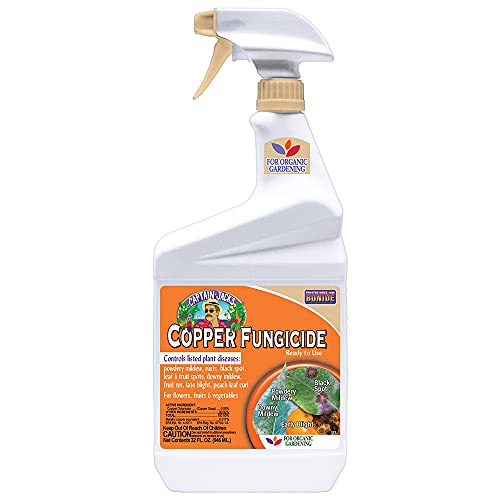
Control fungus and disease in your garden with Captain Jack’s ready-to-use Liquid Copper Fungicide!

3-IN-1 PLANT CARE: 3-In-1 Insect, Disease & Plant Mite Control provides insect control, disease control, and plant mite control all in one; Rainproof protection starts in 4 hours and lasts up to 14 days

3-in-1 FORMULA: Aphid spray for outdoor plants for use on roses, flowers, shrubs and trees to control listed insects, disease and mites
Regular Monitoring and Maintenance
Inspect your tomato plants regularly to catch any issues early. Look for signs of droopy leaves, discoloration, or pest infestations. By monitoring your plants consistently, you can address problems promptly before they escalate.
Choosing the Right Soil and Fertilizer
Select well-draining soil rich in nutrients for your tomato plants. Opt for a fertilizer specifically formulated for tomatoes to ensure they receive the necessary nutrients to thrive. Proper soil and fertilizer choices play a crucial role in promoting strong, healthy tomato plants.
Conclusion
Reviving your droopy tomato plant leaves is achievable by implementing proper care techniques. Ensure you water your plants adequately, adjust environmental conditions, and address any pest or disease issues promptly. By following these solutions and proactive measures, you can revive your plants’ health and promote optimal growth for a successful harvest season. Remember to monitor your plants regularly, provide nutrient-rich soil, and use fertilizers tailored for tomatoes to maintain strong and thriving plants. With dedication and attention to detail, you can enjoy a bountiful tomato harvest. Happy gardening!
Frequently Asked Questions
What are the signs of unhealthy tomato plants?
Unhealthy tomato plants may exhibit droopy leaves, discoloration, stunted growth, or wilting. These signs can indicate nutrient deficiencies, diseases, pests, or environmental stressors affecting plant health.
What causes droopy tomato leaves?
Droopy tomato leaves can result from inadequate watering, extreme temperatures, lack of sunlight, nutrient imbalances in the soil, pests like aphids or spider mites, and diseases such as blight or wilt.
How can I revive droopy tomato leaves?
To revive droopy tomato leaves, ensure proper watering by avoiding both overwatering and underwatering. Address any environmental stress factors promptly and treat any pests or diseases affecting the plant to promote recovery.
How do I maintain healthy tomato plants?
Maintain healthy tomato plants by monitoring them regularly for signs of issues. Use well-draining soil rich in nutrients tailored for tomatoes. Apply fertilizers specifically formulated for tomatoes to support robust growth and fruit production.
