

Have you ever dreamed of plucking juicy, ripe tomatoes right from your own indoor garden? Picture this: no more waiting for the perfect season or weather conditions. With a bit of know-how and the right tools, you can turn that dream into reality, all within the comfort of your home.
Imagine having fresh tomatoes at your fingertips whenever you need them – in salads, sauces, or simply as a healthy snack. In this article, we’ll show you the simple steps to kickstart your indoor tomato-growing journey. From selecting the ideal varieties to providing the best care tips, we’ve got you covered every step of the way.
Key Takeaways
- Controlled indoor environment allows for optimal growth conditions, enhancing fruit quality and preventing weather-related issues.
- Indoor tomato gardening enables year-round harvests, extending the traditional growing season with artificial lighting and ideal conditions.
- Essential supplies for successful indoor tomato cultivation include appropriate tomato varieties, containers with drainage holes, grow lights, thermometer/hygrometer, pruning shears, and supports.
- Setting up your indoor garden involves finding a sunny location with good air circulation, using full-spectrum grow lights if needed, and maintaining temperatures between 65-85°F (18-29°C).
- Follow a step-by-step guide to growing tomatoes indoors by planting seeds in a warm area with indirect sunlight, transplanting seedlings into larger pots as they grow, providing daily care like watering and fertilizing regularly.
- Address common challenges such as pests (aphids, spider mites) and diseases (fungal issues) by using natural predators or neem oil solutions and ensuring proper watering/nutrient levels for healthy plant growth.
Benefits of Growing Tomatoes Indoors
Indoor tomato cultivation offers several advantages that make it a rewarding endeavor. Here’s why you should consider growing tomatoes indoors:
Controlled Environment Benefits
In an indoor setting, you have the power to control various environmental factors crucial for tomato growth. You can adjust lighting, temperature, humidity, and airflow to create the ideal conditions for your plants. This control helps optimize growth rates, enhance fruit quality, and prevent issues caused by unpredictable outdoor weather.
Year-Round Harvest
One of the significant benefits of growing tomatoes indoors is the ability to enjoy a year-round harvest. Unlike outdoor gardening that is limited by seasonal changes, indoor cultivation allows you to produce fresh tomatoes consistently throughout the year. By providing artificial lighting and maintaining optimal conditions, you can extend your harvesting season beyond traditional limits.
Essential Supplies for Indoor Tomato Gardening
When starting your indoor tomato garden, it’s essential to have the right supplies to ensure successful cultivation. Here are the key items you’ll need:
Recommended Products

FULL SPECTRUM & NATURAL LIGHT: A19 full spectrum grow light appears 4000K white to eyes but has a red/blue light spectrum. Same as natural sun shine, perfect for tomatoes, cucumbers, peppers, leafy greens and herbs at all growth stages.
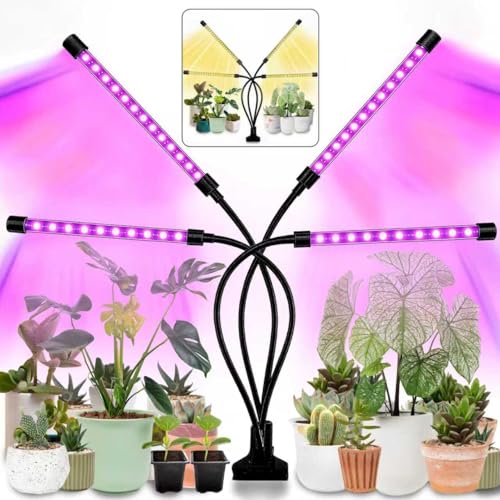
🌻Efficient LED Combination: This LED lamp has grow lights made up of 80 efficient growing LEDs ( 32 red lights, 12 blue lights,20 yellow lights and 16 white lights). It meets the conditions of plant growth without sunlight. 1--Full Spectrum(380nm-800nm): Suitable for all plants to root and sprout. 2--Red(660nm)+BLUE(460nm) Spectrum: for blooming and fruits. 3--Red+Blue+Full Spectrum: A mix of Red+Blue+Warm White is best to fuel the growth of your plants.

【Newest Grow Light】The appearance of the lamp head adopts patentable mold technology and incorporates exclusive design concepts. The back plate has a unique pattern and premium texture which is not easily scratched. The holes in the back are specially reserved for heat dissipation space, saying goodbye to the heating problem during the use of the lamp.
Choosing the Right Tomato Varieties
Selecting the appropriate tomato varieties is crucial for indoor gardening success. Opt for compact or dwarf varieties that thrive in containers and don’t require extensive space. Examples include:
- Cherry tomatoes
- Patio tomatoes
- Tiny Tim tomatoes
These smaller varieties are well-suited for indoor environments and can produce an abundance of fruit within limited space.
Necessary Equipment and Tools
To kickstart your indoor tomato garden, gather the following equipment and tools:
- Containers: Choose pots or containers with drainage holes to prevent waterlogging.
- Potting Mix: Use a well-draining potting mix rich in nutrients.
- Grow Lights: Invest in full-spectrum grow lights to provide adequate light for plant growth.
- Thermometer/Hygrometer: Monitor temperature and humidity levels for optimal plant health.
- Pruning Shears: Keep your plants tidy and healthy by trimming as needed.
- Supports: Consider stakes or cages to support growing plants.
Having these supplies on hand will set you up for a successful indoor tomato gardening experience.
Setting Up Your Indoor Garden
When starting your indoor tomato garden, there are key considerations to ensure successful growth. Here’s how to set up your indoor garden effectively:
Finding the Ideal Location
Locate a spot in your home that receives ample sunlight, preferably near a south-facing window or under grow lights. Ensure the area has good air circulation to prevent mold and mildew. Remember, tomatoes need at least 6-8 hours of sunlight daily for optimal growth.
Setting Up Lighting and Temperature Controls
Invest in full-spectrum grow lights if natural light is insufficient. Position the lights about 6-12 inches above the plants and adjust the duration based on plant needs. Maintain temperatures between 65-85°F (18-29°C) during the day and slightly cooler at night for healthy tomato growth.
By optimizing your indoor garden’s location, lighting, and temperature controls, you’ll create an ideal environment for growing flavorful tomatoes year-round.
Step-by-Step Guide to Growing Tomatoes Indoors
Planting the Seeds
To start growing tomatoes indoors, begin by planting tomato seeds in a seed-starting mix in small containers. Ensure the soil is moist but not waterlogged. Place the containers in a warm spot with indirect sunlight and cover them with plastic wrap or a dome to create a greenhouse effect for germination. It’s essential to keep the soil consistently moist during this stage.
Once the seeds have sprouted, remove the covering and place the seedlings under grow lights or near a sunny window where they can receive at least 6-8 hours of direct sunlight daily. As the seedlings grow, transplant them into larger pots with nutrient-rich potting soil, burying them deeper than they were in their original containers to promote strong root development.
Daily Care and Maintenance
For successful indoor tomato cultivation, ensure your plants receive adequate care and attention daily. Water your tomato plants regularly, keeping the soil evenly moist but not soggy. Monitor humidity levels to prevent issues like powdery mildew by providing good air circulation around the plants.
Fertilize your tomato plants every two weeks with a balanced liquid fertilizer formulated for vegetables to support healthy growth and fruit production. Prune your tomato plants by pinching off suckers – small shoots that develop between branches – to encourage better airflow and focus plant energy on fruit production.
Check your plants regularly for pests like aphids or spider mites, which can harm your tomatoes. If you notice any pests, treat them promptly using organic insecticidal soap or neem oil spray. Lastly, continue to provide proper lighting conditions and maintain temperatures between 65-85°F (18-29°C) for optimal growth throughout the growing season.
Common Challenges and Solutions
Dealing with Pests and Diseases
To ensure your indoor tomato plants thrive, it’s essential to be proactive in managing potential pest infestations and diseases. Here are some common challenges you may encounter along with effective solutions:
- Aphids: These tiny insects can quickly multiply and damage your tomato plants by sucking sap from the leaves. To combat aphids, you can introduce natural predators like ladybugs or use a neem oil solution to deter them.
- Fungal Diseases: Issues such as powdery mildew or early blight can affect your tomatoes’ foliage. Prevent fungal diseases by ensuring good air circulation around the plants, avoiding overhead watering, and applying fungicidal sprays if necessary.
- Spider Mites: These pests are common in dry indoor conditions and can cause stippling on the leaves. Keep humidity levels up to discourage spider mites, and consider using insecticidal soap to control their population.
Optimizing Water and Nutrient Levels
Maintaining proper hydration and nutrition for your indoor tomato plants is crucial for their growth and productivity. Here are some tips to optimize water and nutrient levels:
- Watering: Ensure your tomatoes receive consistent moisture without becoming waterlogged. Check the soil regularly by inserting a finger into the top inch; if it feels dry, it’s time to water thoroughly but avoid overwatering to prevent root rot.
- Nutrients: Provide balanced nutrition by feeding your tomato plants with a suitable fertilizer high in potassium for fruit development. Consider using organic fertilizers or compost tea for a gentle yet effective nutrient boost.
By addressing these challenges proactively through pest management strategies and maintaining optimal water and nutrient levels, you’ll set the stage for healthy indoor tomato plants that yield bountiful harvests throughout the year.
Recommended Products

DISEASE CONTROL: Disease & Fungus Control controls powdery mildew, rust, black spot, fruit rot, downy mildew, late blight, and other listed diseases

3-IN-1 PLANT CARE: 3-In-1 Insect, Disease & Plant Mite Control provides insect control, disease control, and plant mite control all in one; Rainproof protection starts in 4 hours and lasts up to 14 days

PEST DEFENSE - This product is designed to kill species of aphid, spider mite, ant, cricket, weevil, caterpillar, fly, thrip, silverfish & more.
Conclusion
You now have a solid understanding of how to successfully grow tomatoes indoors. By controlling environmental factors, providing proper care, and addressing common challenges like pests and diseases, you are well-equipped to nurture healthy tomato plants throughout the year. Remember the importance of adequate lighting, temperature regulation, and balanced watering for optimal growth. With these tips in mind, you can enjoy a bountiful harvest of delicious homegrown tomatoes right from your indoor garden. Happy gardening!
Frequently Asked Questions
Q: What are the benefits of growing tomatoes indoors?
A: Growing tomatoes indoors allows you to control environmental factors like lighting and temperature, leading to optimal growth and year-round harvest potential.
Q: How do I care for indoor tomato plants?
A: Care for indoor tomato plants by ensuring they receive proper lighting, maintaining ideal temperature conditions, and watering consistently to promote healthy growth.
Q: How can I prevent pests and diseases in indoor tomato plants?
A: Prevent pests and diseases in indoor tomato plants by using natural predators for aphids, maintaining humidity levels to deter spider mites, and practicing good sanitation habits.
Q: What is the importance of water and nutrient levels in indoor tomato plant care?
A: Watering techniques should be optimized to avoid overwatering or underwatering, while balanced fertilization ensures that indoor tomato plants receive essential nutrients for healthy growth.
