

Have you ever wondered how many seeds to plant for a bountiful tomato harvest? Picture this: eagerly preparing your garden, dreaming of juicy red tomatoes ripe for the picking. But the question lingers – how many seeds should you sow to ensure a plentiful yield?
In this article, we simplify the process for you. No more guesswork or confusion. We’ll guide you through determining the ideal number of tomato seeds to plant, setting you up for success in your gardening endeavors.
Key Takeaways
- Choose high-quality tomato seeds from reputable suppliers to ensure better germination rates.
- Plant tomato seeds indoors 6-8 weeks before the last frost date in your area for a strong start.
- Consider factors like variety, growth conditions, succession planting, and seed viability when determining the quantity of tomato seeds to plant.
- Select appropriate tomato seeds based on climate and growing conditions for a thriving garden.
- Use starter plants or direct seeding methods based on climate, space availability, and gardening experience.
- Provide optimal conditions like warm temperatures, consistent moisture, ample light, and good air circulation for successful germination of tomato seeds.
Understanding Tomato Seed Planting
When it comes to planting tomato seeds, understanding the process can significantly impact your harvest. Let’s delve into the basics of tomato gardening and explore the factors that influence the quantity of seeds you should plant.
The Basics of Tomato Gardening
To start off on the right foot with your tomato plants, here are some essential tips:
- Seed Selection: Choose high-quality seeds from reputable suppliers for better germination rates.
- Timing: Plant your seeds indoors 6-8 weeks before the last frost date in your area for a strong start.
- Soil Preparation: Use well-draining soil rich in organic matter to promote healthy root development.
- Light and Temperature: Ensure your seedlings receive ample light and maintain optimal temperatures for robust growth.
Factors Influencing Seed Quantity
Several factors play a role in determining how many tomato seeds you should plant:
- Variety: Different tomato varieties have varying germination rates; adjust quantities based on this factor.
- Growth Conditions: Consider your local climate, available space, and growing method when deciding on seed quantities.
- Succession Planting: If you plan to stagger plantings for continuous harvest, calculate seed amounts accordingly.
- Seed Viability: Take into account the age of your seeds as older seeds may have lower germination rates.
By understanding these basics and factors influencing seed quantity, you’ll be better equipped to optimize your tomato seed planting for a successful and fruitful gardening experience.
Preparing for Tomato Planting
When preparing for planting tomatoes, there are essential steps to follow to ensure a successful harvest.
Recommended Products

EASIER SEED STARTING: Our Burpee SuperSeed tray with 36 flexible pop-out cells is designed to simplify indoor seed starting for all your favorite vegetables, flowers and herbs. Just add seed starting mix, seeds, water and light to get growing! Rows are labeled alphanumerically for seedling identification with included Plant-o-Gram diagram. Tray dimensions: 11.5" x 10-3/8" x 2-1/4"

Vegetable seeds variety pack: Grow 35 varieties of leafy greens, root vegetables, tomatoes, peppers, beans, peas, squash, melons, and more. Includes 16,000+ vegetable seeds for planting outdoors in raised beds, garden rows, or containers.

Miracle-Gro Indoor Potting Mix for Seed Starting grows stronger roots for seeding success (vs unfed when used as directed)
Choosing the Right Tomato Seeds
Selecting the appropriate tomato seeds is crucial for a thriving garden. Opt for varieties that suit your climate and growing conditions. Consider factors like taste preferences, disease resistance, and growth habits when choosing your seeds.
Required Tools and Materials
Gather all the necessary tools and materials before starting your tomato planting journey. You’ll need items such as:
- Seeds: Choose high-quality tomato seeds from reputable suppliers.
- Containers: Use seed trays or pots with drainage holes to start your seeds indoors.
- Potting Mix: Prepare a well-draining potting mix rich in nutrients for healthy seedlings.
- Watering Can or Spray Bottle: Ensure you can water your seeds gently without disturbing them.
- Grow Lights or Sunny Windowsill: Provide adequate light for optimal seed germination.
By selecting the right tomato seeds and having the essential tools at hand, you’re on track to a successful tomato planting experience.
Seed Planting Techniques
When it comes to planting tomato seeds, there are various techniques you can use to ensure a successful harvest. Here are some essential methods and conditions to consider for optimal seed planting:
Recommended Products

✓ Consistent & Uniform Heating: BN-LINK seedling heat mat for seed starting maintains temperatures around 70–85℉, creating ideal conditions for seed starter and cutting propagation, speeding up seed germination and accelerating seedlings growth. The advanced heating film with double insulation layers ensures even heat and prevents scorching roots.

Reliable Results: The VIVOSUN professional heat mat maintains optimal temperatures around 68-86℉ (20-30℃), perfect for Seedling start and cutting propagation; Made from durable PVC material, it's designed to last

IDEAL GERMINATION TEMPERATURE: The BN-LINK seedling heat mats for seed starting helps maintain temperatures around 70°F to 85°F, the optimal range for seed germination, cutting propagation, and healthy seedling growth. Achieve faster germination and higher growth rates with seed heating mat.
Direct Seeding Versus Starter Plants
For tomato planting, you have two primary options: direct seeding or using starter plants.
- Direct Seeding: This method involves planting the seeds directly into the ground or containers where they will grow. It’s a cost-effective approach that allows you to control the entire growth process from seed to fruit.
- Starter Plants: Using starter plants, also known as transplants, involves purchasing young tomato plants from nurseries or starting your seeds indoors before transplanting them outdoors. This method gives you a head start on the growing season and can be beneficial in areas with short growing seasons.
Consider factors like your climate, available space, and gardening experience when deciding between direct seeding and starter plants.
Optimal Conditions for Germination
To ensure successful germination of your tomato seeds, pay attention to the following optimal conditions:
- Temperature: Tomato seeds germinate best in warm soil temperatures between 70-85°F (21-29°C). Use a heat mat if necessary to maintain consistent warmth during germination.
- Moisture: Keep the soil consistently moist but not waterlogged. Consider covering trays with plastic wrap or using a humidity dome to retain moisture until seedlings emerge.
- Light: While tomato seeds don’t require light for germination, once they sprout, provide ample light (about 14-16 hours per day) either through natural sunlight or grow lights placed close to the seedlings.
- Air Circulation: Good air circulation is crucial for preventing damping-off disease in young seedlings. Use fans on low settings or open windows periodically to promote airflow around your plants.
Managing Seedlings
When it comes to caring for young tomato plants, consistency is key. Ensure your seedlings receive adequate sunlight, ideally around 14-16 hours a day. Keep the soil consistently moist but not waterlogged to promote healthy growth.
Recommended Products

12-LED GROW LIGHT PER TRAY — Each of the five seed starting trays features a full-spectrum grow light with 12 LED beads, providing supplemental light for indoor seedlings.

12-LED GROW LIGHT PER TRAY — Each of the five seed starting trays features a full-spectrum grow light with 12 LED beads, providing supplemental light for indoor seedlings.
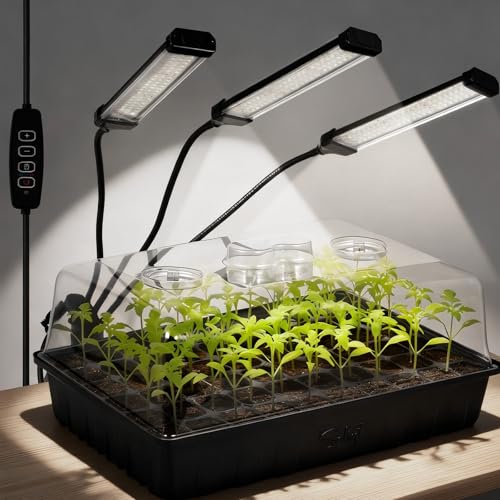
Complete Seed Starter Kit: All-in-one 60-cell seed starter tray, bottom seed tray, humidity dome, grow lights for seed starting and easy manual. Perfect start healthy tomato pepper vegetable, herb, and flower seedlings plants or clone propagation indoors
Caring for Young Tomato Plants
To care for young tomato plants effectively, monitor their growth regularly. Adjust watering based on the plant’s needs; water deeply when the top inch of soil feels dry to the touch. Additionally, provide support as they grow taller by staking or using cages to prevent bending or breakage.
Transplanting to The Garden
Transplanting your tomato seedlings into the garden should be done carefully. Choose a sunny spot with well-draining soil. Dig a hole slightly larger than the root ball and gently place the seedling in, ensuring it sits at the same depth as it did in its container. Water thoroughly after transplanting to help them establish in their new environment.
Conclusion
You’ve learned about the importance of proper techniques for planting tomato seeds, from choosing between direct seeding and starter plants to managing seedlings’ growth. Consistent sunlight and adequate watering are key factors in nurturing healthy tomato plants. Remember to monitor their progress closely, adjust watering as needed, and provide support when they start reaching for the sky. When it’s time to transplant your seedlings into the garden, pick a sunny spot with good drainage, plant them at the right depth, and give them a thorough watering to help them settle into their new home. Happy gardening!
Frequently Asked Questions
1. What are the different techniques for planting tomato seeds?
To plant tomato seeds, you can either directly sow them into the soil or start with young plants from a nursery.
2. How can I ensure successful germination of tomato seeds?
For successful germination, keep the soil consistently moist and provide warmth by placing the seeds in a sunny location.
3. What is important when managing tomato seedlings?
Managing tomato seedlings involves ensuring they receive adequate sunlight, proper watering, and monitoring their growth regularly.
4. How should I care for young tomato plants as they grow?
Care for young tomato plants by adjusting watering based on their growth stage, providing support as they get taller, and monitoring for any signs of diseases or pests.
5. What steps are involved in transplanting tomato seedlings into the garden?
When transplanting tomato seedlings, choose a sunny spot with well-draining soil, plant at the right depth to cover roots completely, and water thoroughly to help them establish in their new environment.
