

Best Conditions for Growing Broccoli
Growing broccoli successfully hinges on providing the right conditions. Here are some key factors to consider:
- Sunny Spot: Broccoli loves the sun. Plant it in a spot that gets at least 6 hours of sunlight daily.
- Well-Drained Soil: Ensure the soil is rich in nutrients and drains well. Avoid waterlogging, which can harm the plants.
- Optimal pH Level: Broccoli thrives in soil with a pH level between 6.0 and 7.0.
- Frost Protection: Broccoli prefers cooler temperatures but needs protection from harsh frosts. Consider using row covers or cloches.
- Spacing Matters: Plant broccoli about 18-24 inches apart to allow enough room for growth.
- Companion Plants: Consider planting broccoli near carrot, onion, or lettuce, as they can benefit each other’s growth.
- Regular Watering: Keep the soil consistently moist, especially during dry spells.
| Sunlight Needs | Soil pH | Spacing |
|---|---|---|
| 6+ hours/day | 6.0-7.0 | 18-24 inches |
Recommended Products

Quick, at home results for Soil pH, Nitrogen, Phosphorous and Potash Innovative and inexpensive soil test kit features an easy-to-use capsule system and patented color comparators

Accurate Soil pH Testing: Dewildetradingco Soil pH Test Strips offer measurements of soil pH levels (pH 3.5-9). As an essential tool for every gardener and grower, these test strips help determine the optimal pH for various plants, such as outdoor plants, indoor plants, gardens, grass lawns, fruit trees, flowers, vegetables, and forest shrubs.

Kindly NOTE: This soil tester can not be applied to test pH value of any other liquid. If the soil is too dry the indicator will not move, and water it before testing.
Choosing the Right Location
When planting broccoli, ensure you select a sunny location with at least 6 hours of sunlight daily.
Remember, broccoli thrives in well-drained soil that is nutrient-rich and has a pH level between 6.0 and 7.0.
Consider providing frost protection if you live in a colder climate to safeguard your broccoli plants.
Maintain proper spacing by allowing 18-24 inches between each plant to promote healthy growth.
Choose companion plants like carrot, onion, or lettuce to create a mutually beneficial environment.
Lastly, don’t forget the importance of regular watering to keep the soil consistently moist.
Soil Preparation for Broccoli
When it comes to Soil Preparation for Broccoli, here are the key steps you need to take:
- pH Level: Ensure your soil has a pH level between 6.0 and 7.0.
- Texture: Aim for well-drained nutrient-rich soil to promote healthy growth.
- Sunlight: Find a sunny spot with at least 6 hours of sunlight daily.
- Spacing: Maintain a distance of 18-24 inches between plants for optimal growth.
- Companion Plants: Consider planting broccoli alongside carrots, onions, or lettuce.
- Moisture: Regularly water your broccoli to keep the soil consistently moist.
Remember, these steps are crucial for setting up your broccoli plants for success.
Recommended Products

✅ 1Dial & 1 LCD Screen - Replace/install all 3 batteries each time. Put button to %RH/°F to - Turn On, and put to LIGHT to - Turn Off. Read the LCD results in 3-5 mins. (Not Water Moisture Meter, so, please don't test liquid)

Comprehensive Soil Analysis: Liquid soil test kits offer a comprehensive analysis of essential soil parameters, including pH, ammonia, nitrogen, phosphorus, and potassium. Having all these measurements in one kit provides a holistic understanding of the soil's fertility and health.

KNOW BEFORE YOU GROW | Grow the healthiest, sustainable lawn and garden with the most accurate and easy to use professional soil test kit on the market
Sunlight Requirements
To thrive, broccoli plants need plenty of sunlight. 6-8 hours of direct sunlight a day is ideal for their growth.
Here are some tips to ensure your broccoli gets enough sunlight:
- Choose a sunny spot: Pick a location in your garden that receives ample sunlight throughout the day.
- Avoid shade: Keep your broccoli away from structures or trees that may block sunlight.
- Rotate if needed: If sunlight is limited in one area, consider moving your broccoli to get more sun exposure.
Remember, ample sunlight is key to healthy and productive broccoli plants.
Watering and Maintenance Tips
When it comes to watering your broccoli plants, keep in mind that they need around 1-1.5 inches of water per week. Consistent watering is key to healthy development.
Make sure to check the moisture level of the soil regularly – it should be consistently moist but not waterlogged. Mulching around your plants can help retain moisture and reduce weed growth.
For maintenance, keep an eye out for any signs of pests or diseases. Regularly inspect your plants for issues such as cabbage worms, aphids, or powdery mildew.
Consider fertilizing your broccoli plants every 3-4 weeks with a balanced fertilizer to ensure they have the nutrients they need for healthy growth.
Recommended Products

Accurate Soil Moisture Detection: The XLUX Soil Moisture Meter can tell you if the soil deep inside your pot or garden is dry, moist or wet; whereas your eyes and fingers can only determine the moisture level of the soil surface. The probe is 5.5 inches (14 cm) longer than regular styles, allowing it to measure the soil moisture at the bottom of larger and deeper flower pots.

✔️Accurate - A helpful tool of water meter for indoor plants which senses the moisture in the soil around plants. No more guess if the plant needs more or less water
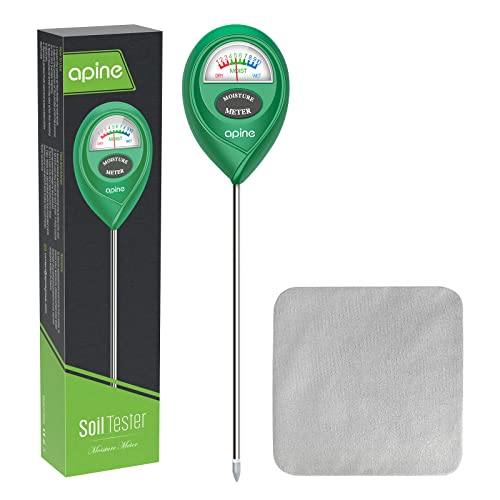
Quick Measurement:Just insert the probe of the plant water meter into the soil about two to four inches,wait a few seconds,you can get the soil moisture immediately.The color division of the dial is simple and clear,and the elderly can easily use it
Conclusion
You’ve now learned the essential factors for successfully planting broccoli. From soil preparation to watering tips and maintenance, each step plays a crucial role in cultivating healthy broccoli plants. Remember to maintain the optimal pH level, choose nutrient-rich soil, and ensure proper sunlight exposure. Implementing watering techniques, such as checking moisture levels and using mulch, will help your broccoli thrive. Stay vigilant against pests and diseases, and regularly fertilize for optimal growth. By following these guidelines, you’ll be on your way to a bountiful broccoli harvest in no time. Happy planting!
Frequently Asked Questions
1. Why is soil preparation important for growing broccoli?
Soil preparation is crucial for broccoli growth as it ensures the plants receive necessary nutrients for healthy development. Properly prepared soil supports root establishment, water retention, and overall plant vigor.
2. What pH level is recommended for broccoli growth?
Maintaining a pH level between 6.0 and 7.0 is ideal for broccoli plants. This range provides optimal conditions for nutrient uptake, promoting healthy growth and robust broccoli production.
3. How much sunlight does broccoli need daily?
Broccoli plants require 6-8 hours of direct sunlight daily for optimal growth and development. Sufficient sunlight is essential for photosynthesis, which fuels plant growth and ensures high-quality broccoli harvests.
4. How much water do broccoli plants need per week?
Broccoli plants need 1-1.5 inches of water per week to thrive. Consistent watering is crucial for healthy plant growth, ensuring proper hydration and nutrient absorption.
5. What are some common pests and diseases that affect broccoli plants?
Common pests and diseases that affect broccoli plants include cabbage worms, aphids, and powdery mildew. Regular monitoring and timely intervention are key to preventing and managing these issues.
6. How often should broccoli plants be fertilized?
It is recommended to fertilize broccoli plants every 3-4 weeks to provide essential nutrients for optimal growth. Proper fertilization supports healthy plant development and improves overall crop yield.
