

Are you eager to start your carrot garden in Kentucky but unsure when to plant those crunchy delights? Picture this: you envision a vibrant garden brimming with fresh, homegrown carrots, yet the timing seems elusive. Well, fret not, as we’re here to guide you through the optimal planting schedule for your carrot patch in the Bluegrass State.
Wondering when the ideal moment is to sow those carrot seeds in Kentucky’s fertile soil? In this article, we’ll unravel the mystery for you, ensuring your carrot crop thrives and flourishes. Stay tuned to discover the best practices and tips for planting carrots in Kentucky, setting you on the path to a bountiful harvest of these orange gems.
Understanding Carrot Planting Seasons in Kentucky
Do you know when to plant carrots in Kentucky? Here’s a breakdown of the optimal planting seasons for your future carrot crop:
- Spring Planting: Aim to sow carrot seeds two weeks before the last frost date in your area.
- Fall Planting: For a late-season harvest, consider planting carrots 10-12 weeks before the first fall frost.
- Soil Temperature: Carrots germinate best in soil temperatures around 50-85°F.
- Frost Tolerance: Remember, carrots can tolerate light frost, but prolonged exposure can damage the crop.
- Moisture Levels: Ensure the soil is well-drained and moist for optimal carrot growth.
Planning your carrot planting schedule around these seasonal factors can help you achieve a successful and bountiful harvest in Kentucky.
Factors Influencing the Best Planting Time
When deciding on the best time to plant your carrots in Kentucky, several factors come into play. Understanding these key influences will help you optimize your planting schedule for a successful harvest.
- Soil Temperature: Carrot seeds require a minimum soil temperature of 50°F for successful germination, making it crucial to plant them when the soil is warm enough for growth.
- Frost Tolerance: Carrots can withstand light frosts, but planting them too early when heavy frosts are still likely can hinder their growth. Aim to plant your seeds before the last frost date in spring for a healthy start.
- Moisture Levels: Carrots need consistently moist soil for germination and growth. Ensure your planting schedule aligns with periods of regular rainfall or plan for supplemental watering to keep the soil adequately moist.
By considering these essential factors, you can determine the optimal planting time for your carrots in Kentucky.
Preparation Tips Before Planting Carrots
When preparing to plant carrots in Kentucky, there are several key steps you should take to ensure a successful harvest. Here are some essential tips to keep in mind:
- Choose the Right Location: Select a sunny spot in your garden with well-draining soil for optimal carrot growth.
- Soil Preparation: Before planting, ensure the soil is well-drained and free of rocks or debris. Carrots prefer loose, sandy soil for straight growth.
- Testing Soil pH: It’s a good idea to test the soil pH before planting. Carrots prefer a slightly acidic to neutral pH level between 6.0-6.8.
- Avoiding Compacted Soil: Carrots need loose soil to grow straight roots, so avoid compacting the soil when planting.
- Weed Control: Clear the planting area of weeds before sowing carrot seeds to prevent competition for nutrients and space.
- Spacing: When planting carrot seeds, sow them thinly to ensure proper spacing. You can always thin them out later as they start to grow.
- Moisture: Keep the soil consistently moist but not waterlogged to promote germination and healthy growth.
- Mulching: Consider mulching around your carrot plants to help retain moisture and prevent weed growth.
- Protecting Seedlings: Consider using row covers or cloches to protect young carrot seedlings from pests and extreme weather conditions.
By following these preparation tips, you’ll set yourself up for a successful carrot growing season in Kentucky.
Recommended Products

【2-IN-1 DESIGN】This Warmfarm garden cloche tunnel comes assembled with 6 hoop stakes & a drawstring to open and close the access points. Accessible from either end & folds accordion style to allow access to any part of your garden row with ease!
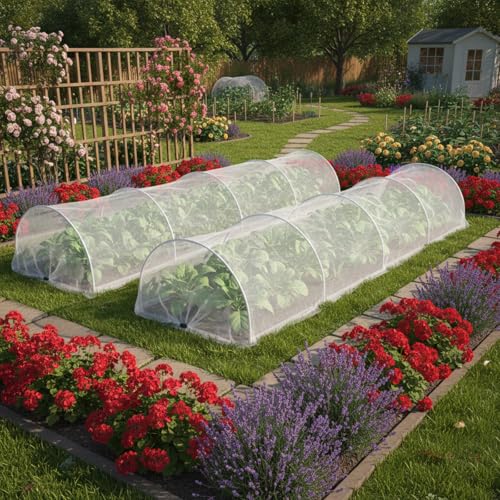
All In One Design: this complete garden cloche tunnel comes assembled with a drawstring to open and close the access points, measuring about 118.11 x 18 x 18 inches/ 300 x 45 x 45 cm, foldable into an accordion style, making it easy for you to enter any area of the garden
Step-by-Step Guide to Planting Carrots in Kentucky
So, you’re ready to plant your carrots in the Bluegrass State! Here’s how to proceed:
- Choose the Right Time: Plant your carrots in early spring when the soil is workable and temperatures are mild. Carrots thrive in cooler weather.
- Prepare the Soil: Make sure you have well-draining soil by adding compost or sand. It’s crucial for carrot growth.
- Sow the Seeds: Plant the carrot seeds about 1/4 to 1/2 inch deep in rows. Remember to space them out to avoid overcrowding.
- Watering: Keep the soil consistently moist but not waterlogged. Be mindful not to wash away the seeds.
- Weed Control: Prevent weeds from competing with your carrots by regularly weeding the area.
- Thinning: Once the carrot seedlings have sprouted, thin them out to ensure proper spacing for root development.
- Mulching: Consider using mulch to help retain moisture, regulate soil temperature, and reduce weed growth around your carrots.
- Sunlight: Carrots need at least 6 hours of sunlight daily. Choose a sunny spot for your carrot patch.
- Protect Your Crop: Guard your carrots against pests like carrot flies by using row covers or planting companion plants like onions.
Recommended Products

Miracle-Gro Indoor Potting Mix for Seed Starting grows stronger roots for seeding success (vs unfed when used as directed)

CONTAINS: This organic Seed Stating soil mix is a rich blend of sphagnum peat moss & perlite with yucca extract and lime to ensure correct pH.

Includes Back to the Roots Compressed Seed Starting Potting Mix that expands to 12qt of soil. A balanced pH, which means it’s truly all-purpose. Use alone or as an amendment for anything in a pot or in the ground — vegetables, flowers, herbs, and even starting seeds.
Maintaining and Caring for Carrot Crops
When it comes to maintaining and caring for your carrot crops in Kentucky, there are a few key practices to keep in mind:
- Regular Watering: Your carrots need consistent moisture to thrive. Make sure to water them regularly, especially during dry spells.
- Weed Control: Keep your carrot bed free of weeds. Weeds can compete with your carrots for nutrients and water, so regular weeding is essential.
- Thinning: Thin out your carrot seedlings to ensure they have enough space to grow. Overcrowding can lead to small, misshapen carrots.
- Mulching: Consider mulching your carrot bed to retain moisture in the soil. This can also help prevent weeds and regulate soil temperature.
- Fertilizing: While carrots don’t require heavy feeding, applying a balanced fertilizer can help ensure they have sufficient nutrients for healthy growth.
- Pest Control: Keep an eye out for common pests that may target your carrot crops, such as carrot rust fly larvae. Consider using row covers to protect your plants.
Recommended Products
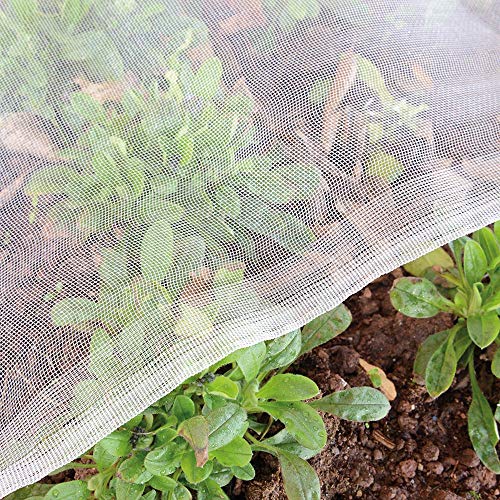
🥬Effective Bug Barrier: Protecting plants and vegetables from a wide range of pest insects and animals, such as cicadas, carrot fly and many species of aphids, you will get a healthier and happier garden
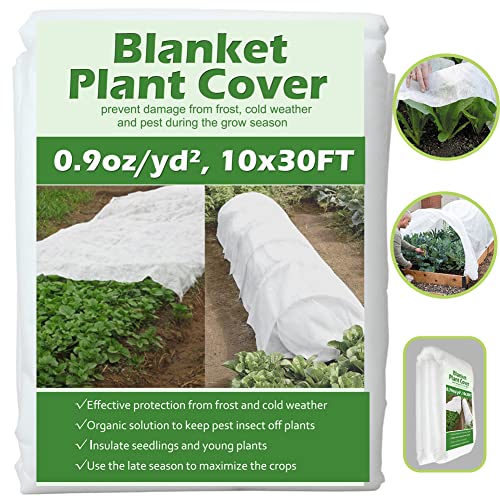
※Big Size to cover large area : The size of our plant cover is 10x30ft, the size can cover large areas. You can cut the plant covers freeze protection into different sizes for different use. You can cover it over the plant such as shrub tomato, pepper, pumpkin, and so on.
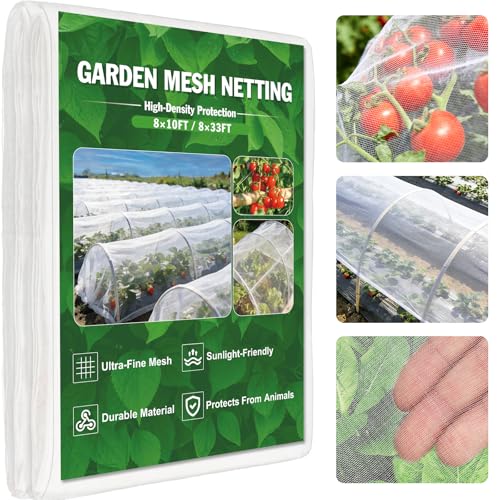
【Upgraded Fine Mesh Netting】This fine mesh garden netting uses 0.7*0.8mm high-density garden insect netting to block, birds, and small animals, offering reliable plant protection netting for vegetables and flowers
Essential Practices for Carrot Care
Here are some additional tips to help you care for your carrot crops effectively:
- Regular Monitoring: Check your carrot plants regularly for any signs of pest damage or disease. Early detection can help you take prompt action.
- Harvesting: Carrots are ready to harvest when they reach a desirable size and color. Gently pull them from the ground to avoid damage.
- Storage: For longer storage, consider keeping your harvested carrots in a cool, humid place like a root cellar or refrigerator.
Helpful Tips for Successful Carrot Cultivation
To ensure successful carrot cultivation in Kentucky, remember these key points:
- Choose the Right Varieties: Opt for varieties suited to your region and growing conditions to increase your chances of success.
- Rotate Crops: Rotating your carrot crops with other vegetables can help prevent soil-borne diseases and maintain soil fertility.
Conclusion
You now have a complete guide to planting and caring for carrots in Kentucky. Remember to water regularly, control weeds, thin seedlings, mulch, fertilize, and watch out for pests. Harvest with care, store properly, and consider crop rotation for successful carrot cultivation. Choose the right varieties for your area and enjoy fresh, homegrown carrots all season long. Happy planting!
Frequently Asked Questions
Q: What initial steps are important for planting carrot crops in Kentucky?
A: Start by choosing a sunny spot with well-drained soil, free of stones. Loosen the soil to 12 inches deep to allow for easy root penetration.
Q: How crucial is regular watering for carrot crops in Kentucky?
A: Carrots need consistent moisture, approximately 1 inch per week. Water deeply to encourage root growth and prevent cracking.
Q: What is the significance of mulching in carrot cultivation?
A: Mulching helps retain soil moisture, suppress weeds, and maintain even soil temperature for optimal carrot growth.
Q: Why is thinning seedlings necessary for healthy carrot crops?
A: Thinning ensures proper spacing between plants, allowing carrots to develop straight and healthy roots.
Q: How can I effectively control weeds in my carrot crop?
A: Hand-weeding and mulching are effective weed control methods. Keep the area around carrot plants weed-free to prevent competition for nutrients.
Q: When and how should I fertilize my carrot crops in Kentucky?
A: Apply a balanced fertilizer at planting time and side-dress with nitrogen halfway through the growing season to promote healthy foliage and root development.
Q: What are the key pest control measures for protecting carrot crops?
A: Monitor for pests regularly and use physical barriers or organic insecticides to manage common pests like carrot rust fly and aphids.
Q: What practices are essential for disease prevention in carrot cultivation?
A: Practice crop rotation and proper sanitation to reduce the risk of diseases like carrot rot and leaf blight.
Q: How should I harvest and store my carrot crops for optimal quality?
A: Harvest carrots when mature, gently pulling them from the ground. Store in a cool, humid environment to maintain freshness.
Q: How can crop rotation benefit successful carrot cultivation in Kentucky?
A: Crop rotation helps prevent soil depletion and reduces the buildup of pests and diseases specific to carrot crops, promoting overall soil health and productivity.
