

Ever wondered how you can enjoy fresh, homegrown carrots straight from your garden even in the fall? Picture this: the crisp autumn air, the vibrant colors of the changing leaves, and a bountiful harvest of sweet, crunchy carrots right at your fingertips. In this article, you’ll discover the secrets to successfully growing carrots in the fall, allowing you to savor the taste of your own organic produce as the seasons transition.
Are you ready to elevate your gardening game and extend your harvest well into the cooler months? By learning the ins and outs of growing carrots in the fall, you’ll not only enjoy a sustainable source of nutritious veggies but also add a pop of color to your autumn garden. Get ready to dive into practical tips, expert advice, and step-by-step guidance that will empower you to cultivate thriving carrot crops in the fall season.
Choosing the Right Carrot Varieties
When selecting carrot varieties for your fall garden, consider the following factors:
- Climate: Choose varieties that are suitable for cooler temperatures and shorter days.
- Size: Decide if you want full-sized or baby carrots, based on your preferences and garden space.
- Color: Explore different options such as traditional orange, purple, or yellow carrots for a colorful harvest.
When in doubt, opt for versatile varieties that adapt well to different growing conditions and offer a reliable harvest.
Remember, selecting the right carrot variety sets the foundation for a successful fall gardening experience.
Recommended Products

Approximately 250 Quality-Guaranteed “Cosmic Purple” Carrot Seeds per Packet, Measured by Weight

Beautiful - Full color packet of Rainbow Mix Carrot Seed (Daucus var. 'Rainbow'). Enjoy carrots in shades of Atomic Red, Cosmic Purple, Lunar White, Solar Yellow, and Bambino, an orange baby carrot. Perfect for a children's garden. Minimum of 400 mg per packet (about 400 seeds).

Color Variety: Vibrant mix of purple, yellow, white and orange roots; Creates stunning visual appeal in meals and gardens; Each color offers unique nutritional benefits
Timing is Key: Planting Carrots in the Fall
Planting carrots in the fall requires attention to timing. Carrots typically take 60-80 days to mature. When planning your fall garden, make sure to factor in the time needed for your chosen carrot variety to reach maturity.
To ensure a successful harvest, plant your carrots 8-10 weeks before the first expected frost date. In the fall, the cooler weather can actually enhance the flavor of carrots, making them sweeter and more delicious.
Fall planting allows you to enjoy fresh carrots well into the winter months. Remember to keep an eye on the weather forecast and protect your carrot seedlings from early frosts by using techniques like row covers or mulching.
When planting in the fall, consider the average first frost date in your area to determine the best time to sow your carrot seeds. Consult a local gardening guide or use online resources to find this important date for your region.
Choose a sunny location with well-draining soil to plant your fall carrots. Ensure the soil is free of rocks and clumps that could impede the growth of your carrots. Get ready to enjoy a bountiful harvest of fresh, flavorful carrots by planting at the right time in the fall season.
Ideal Soil Conditions for Fall Carrot Growth
Soil Type
- Carrots thrive in loose, well-draining soil.
- Sandy loam or loamy soil types are ideal for carrot growth.
- Avoid compacted or clay-heavy soils that can hinder root development.
pH Level
- Aim for a soil pH between 6.0 and 6.8 for optimal carrot growth.
- Test your soil pH using a home pH testing kit or by sending a sample to a local cooperative extension.
Nutrient Content
- Carrots are heavy feeders of nutrients like potassium and phosphorus.
- Prior to planting, enrich the soil with compost or aged manure to ensure adequate nutrition for your carrots.
Soil Moisture
- Consistent moisture is essential for carrot seed germination and growth.
- Avoid overwatering, which can cause rot, but ensure the soil remains lightly moist throughout the growing season.
- Carrot seeds germinate best in soil temperatures between 50-85°F.
- Monitor soil temperature and consider using mulch to regulate temperature and moisture levels.
| Important Data | Values |
|---|---|
| Optimal soil pH range | 6.0 – 6.8 |
| Ideal soil temperature range | 50-85°F |
Essential Care and Maintenance Tips
Growing carrots in the fall requires consistent care to ensure a successful harvest. Here are essential tips to help you maintain healthy carrot plants:
- Watering: Keep soil consistently moist but not waterlogged. Water deeply to encourage root growth.
- Weeding: Regularly remove weeds near carrot plants to prevent competition for nutrients and sunlight.
- Thinning: Thin out seedlings to ensure proper spacing for carrots to develop fully.
- Fertilizing: Apply a balanced fertilizer a few weeks after planting to support healthy growth.
- Pest Control: Monitor for pests like carrot rust flies and apply organic pest control methods if needed.
- Disease Prevention: Practice crop rotation and keep the garden clean to prevent diseases.
- Harvesting: Harvest carrots when they reach the desired size for the best flavor.
By following these care and maintenance tips, you can successfully grow flavorful and healthy carrots in your fall garden.
Recommended Products
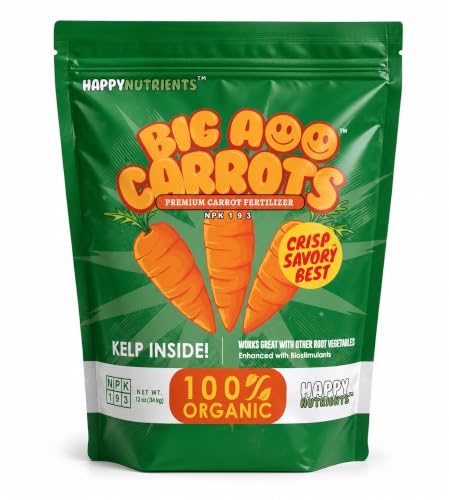
Grow a Rich Garden: Big A Carrot Fertilizer, your ultimate organic vegetable fertilizer, guarantees a flourishing harvest for all your vegetables, with a special emphasis on carrots. Maintaining 100% organic integrity and enriched with essential nutrients, this fertilizer for vegetable gardens is specifically designed for a thriving garden, ensuring both productivity and safety.


Protecting Carrots from Frost
When frost threatens your carrot crop, it’s essential to take proactive measures to protect your plants and ensure a successful harvest. Here are some practical tips to shield your carrots from the chilly temperatures:
- Mulching: Cover your carrot bed with a thick layer of mulch, such as straw or leaves, to provide insulation and trap heat in the soil.
- Row Covers: Use row covers or cloches to shield your carrot plants from frost and cold winds. These protective barriers can make a significant difference in temperature regulation.
- Monitor Weather: Keep an eye on the weather forecast and stay informed about impending frosts. Being prepared allows you to take timely action to safeguard your carrot crop.
- Watering: Avoid watering your carrots late in the day to prevent excess moisture on the leaves, which can make them more susceptible to frost damage.
Taking these precautionary steps can help you safeguard your carrot crop from frost and ensure a robust harvest in the fall.
| Frost Protection Tips for Carrots | |
|---|---|
| Mulching | Cover bed with straw or leaves |
| Row Covers | Use protective barriers like cloches |
| Monitor Weather | Stay informed about impending frosts |
| Watering | Avoid late-day watering to prevent frost damage |
Recommended Products
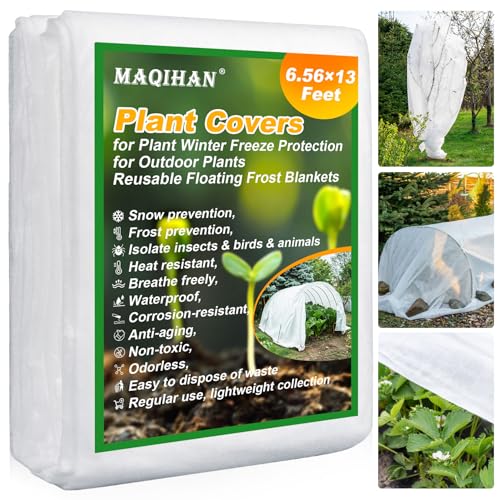
Product Features: Our plant covers are ideal for protecting all plant. Made from premium 1 oz/sq non-woven fabric, their durability and breathability ensuring both insulation against frost and facilitation of sunlight penetration for healthy plant growth
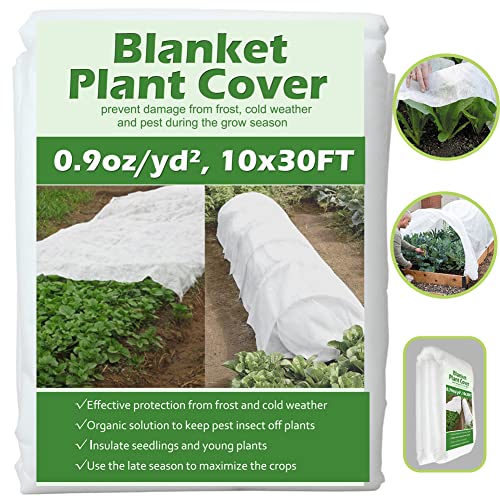
※Big Size to cover large area : The size of our plant cover is 10x30ft, the size can cover large areas. You can cut the plant covers freeze protection into different sizes for different use. You can cover it over the plant such as shrub tomato, pepper, pumpkin, and so on.

[1.5oz/yd² Frost Cloth for Plant Freeze Protection]Made with 1.5oz/yd² per sq yd garden fabric, this frost cloth helps protect plants from frost, cold wind, and sudden temperature drops while allowing sunlight, air, and moisture to pass through.
Conclusion
Now that you’ve learned how to protect your carrot crop from frost during the fall season, you’re well-equipped to ensure a bountiful harvest. By implementing strategies such as using mulch, row covers, and monitoring the weather, you can safeguard your carrots and maximize your yield. Remember to stay proactive and attentive to the changing conditions to promote the growth of healthy and vibrant carrots. With these tips in mind, you’re on your way to enjoying a successful carrot-growing experience this fall. Happy gardening!
Frequently Asked Questions
How can I protect my carrots from frost damage in the fall?
To protect carrots from frost damage in the fall, use mulch such as straw or leaves, employ row covers or cloches, monitor the weather for frosts, and avoid late-day watering to prevent frost damage on the leaves.
What materials can I use to mulch my carrots for frost protection?
You can use materials like straw or leaves to mulch your carrots for frost protection in the fall.
What are row covers and how can they help protect carrots from frost?
Row covers are protective fabrics placed over crops to shield them from frost. They can help create a barrier against frost damage and keep carrots safe during the fall season.
Why is it important to avoid late-day watering when protecting carrots from frost?
Avoiding late-day watering helps prevent frost damage on carrot leaves by ensuring they are not wet when temperatures drop, reducing the risk of freezing and damage.
