

Ever wondered how to grow carrots without all the hassle of tilling the soil? Picture this: a method that not only saves you time and effort but also benefits the environment. In this article, we’ll explore the wonders of no-till carrot farming and how it can revolutionize your farming practices.
Imagine saying goodbye to back-breaking work and hello to healthier soil and increased crop yields. With no-till farming, you’ll discover a sustainable approach that not only conserves moisture but also reduces erosion. Get ready to delve into the world of no-till carrot farming and unlock a plethora of advantages for both you and the planet.
Understanding No-Till Carrot Farming
No-till carrot farming is a sustainable agricultural practice that offers numerous benefits. Here’s a closer look at what it entails and why it’s gaining popularity:
- No-till farming involves planting crops without disturbing the soil through tillage.
- This method preserves soil structure, nutrients, and organic matter, promoting overall soil health.
- By leaving crop residues on the field, no-till farming helps prevent erosion and enhance moisture retention.
- Reduced soil disturbance also means less labor and lower fuel costs for farmers.
When transitioning to no-till carrot farming, consider these practical tips:
- Begin by assessing your soil health and choosing the right cover crops to improve soil fertility.
- Use specialized equipment designed for no-till farming to ensure proper seed placement and weed control.
- Monitor soil moisture levels regularly to optimize watering practices and promote healthy root development.
Embracing no-till carrot farming is not only a sustainable choice but also a smart one for your farm’s long-term health and productivity.
Advantages of No-Till Carrot Farming
When it comes to no-till carrot farming, the benefits are plentiful. Here’s why making the switch can be advantageous for your farm:
- Enhanced Soil Health: By avoiding soil disturbance, beneficial organisms thrive, improving soil structure and fertility.
- Erosion Prevention: With no-till farming, soil is less susceptible to erosion, keeping valuable topsoil in place.
- Moisture Retention: Retaining moisture is key in farming. No-till practices help reduce water evaporation from the soil.
- Cost Savings: Embracing no-till farming can lead to reduced labor costs and savings on fuel usage.
- Long-Term Sustainability: No-till methods not only benefit your farm now but contribute to its long-term health and productivity.
So, by adopting no-till carrot farming, you’re not only reaping immediate benefits but also securing a healthier future for your farm.
Recommended Products

【Advanced Horticulture Precision Technology】Elevate your backyard farming with a commercial-grade row sower. Engineered for precision-guided output, this mechanical planter ensures optimal seed distribution. It’s the top-tier alternative to power drills for growers who demand uniform growth in their allotment or commercial vegetable plots, supporting healthy root development from day one.

True Gourmet Baby Carrots: Unlike shaved-down grocery store versions, Little Finger is a true miniature carrot bred for size and taste. Each root grows to about 4 inches long, with a blunt tip and sweet, crisp flavor—ideal for roasting whole or serving with elegant greens intact.

【Advanced Horticulture Precision Technology】Elevate your backyard farming with a commercial-grade row sower. Engineered for precision-guided output, this mechanical planter ensures optimal seed distribution. It’s the top-tier alternative to power drills for growers who demand uniform growth in their allotment or commercial vegetable plots, supporting healthy root development from day one.
Increased Soil Health and Fertility
When it comes to no-till carrot farming, one of the key benefits is the enhanced soil health and fertility that it promotes. By avoiding conventional tilling practices, you preserve the natural structure of the soil, allowing beneficial organisms like earthworms and fungi to thrive. These organisms play a vital role in maintaining healthy soil, breaking down organic matter, and improving nutrient availability for your carrot crops.
No-till farming also helps in preventing soil erosion by keeping the soil in place, reducing the risk of valuable topsoil being washed away by rain or wind. This not only protects your crops but also maintains the integrity of the farmland for years to come.
By not disturbing the soil, you also promote better moisture retention, crucial for the growth and development of your carrot plants. This can be especially beneficial during dry spells or in regions with limited water resources, as it helps sustain plant growth with less reliance on irrigation.
In essence, embracing no-till practices is a win-win for both your carrot farm and the environment, leading to improved soil health, increased fertility, and sustainable farming for the future.
Conservation of Moisture and Reduction of Erosion
When it comes to no-till carrot farming, a key benefit lies in conserving moisture and reducing erosion. By maintaining the soil structure, you allow it to act as a natural barrier, preventing water loss through evaporation. This means more moisture for your carrot crops to thrive on.
Without the disturbance caused by traditional tilling methods, the soil’s surface isn’t exposed, protecting it from erosion. This is crucial for ensuring that your soil stays where it should be – supporting your crops rather than washing away with rain or irrigation.
In essence, no-till farming is like putting a protective shield over your soil, keeping it healthy and intact for your carrot plants to reap the benefits.
Recommended Products
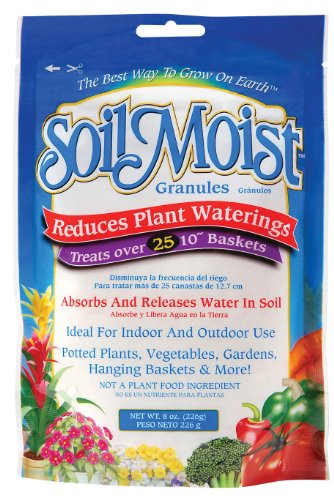
Grow beautiful plants with less water

Miracle-Gro Moisture Control Potting Mix feeds plants for up to 6 months and Grows Plants Twice As Big! (vs unfed plants)
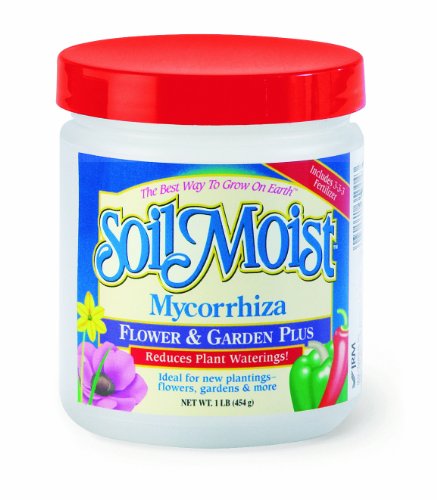
Increases plant establishment
Enhanced Crop Yields and Sustainability
No-till carrot farming increases crop yields while promoting sustainability through various means:
- Soil Health: By not disturbing the soil, beneficial organisms like earthworms thrive, enhancing nutrient availability for carrot plants.
- Moisture Retention: With reduced soil disturbance, moisture is conserved, aiding in healthy root development and overall growth.
- Erosion Control: The protective shield of untilled soil prevents erosion, safeguarding the land for long-term productivity.
No-till practices not only boost carrot yields but also contribute to the environmental sustainability of farming operations.
Conclusion
You’ve now learned about the numerous benefits of no-till carrot farming. By preserving soil health, enhancing nutrient availability, and preventing erosion, this sustainable practice not only boosts crop yields but also supports the long-term productivity of farmland. Embracing no-till methods can lead to healthier root development, increased environmental sustainability, and ultimately, a more efficient and effective farming operation. Consider incorporating no-till techniques into your carrot farming practices to reap these benefits and contribute to a more sustainable agricultural future.
Frequently Asked Questions
What is the primary benefit of no-till carrot farming?
No-till carrot farming enhances crop yields and promotes sustainability by preserving soil health, improving nutrient availability, aiding in healthy root development, and preventing erosion.
How does no-till farming benefit the environment?
By allowing beneficial organisms to thrive, conserving moisture, and ensuring long-term land productivity through untilled soil, no-till farming supports environmental sustainability in farming operations.
What are the key advantages of adopting no-till practices for carrot farming?
The key advantages include increased carrot yields, improved soil health, enhanced nutrient availability, healthy root development, moisture conservation, erosion prevention, and overall support for sustainable farming practices.
