

Ever wondered how to grow delicious, crunchy carrots right in your backyard? Picture this: You head to the store, pick up a bunch of carrots, and then think, “Wait, I could grow these myself!” Well, you’re in luck because in this article, you’ll discover the secrets to cultivating your own vibrant carrots in the ground.
Imagine strolling through your garden, plucking fresh carrots from the earth, and savoring their sweet flavor in your favorite dishes. With our easy-to-follow tips and tricks, you’ll soon be on your way to harvesting a bountiful crop of homegrown carrots that will elevate your culinary creations to a whole new level.
Choosing the Right Location
When selecting a location for planting carrots in your garden, consider the following factors:
- Sunlight: Carrots thrive in full sunlight, so pick a spot that receives at least 6 hours of direct sunlight daily.
- Soil: Opt for well-draining soil with a loose texture to promote root growth and prevent rot.
- pH Level: Aim for a slightly acidic to neutral pH level between 6.0 and 6.8 for optimal carrot development.
- Space: Ensure there’s enough space for the carrots to grow deep into the soil without obstruction.
By choosing a suitable location, you set the foundation for healthy and vibrant carrots in your garden.
Preparing the Soil
To set the stage for healthy and flavorful carrots, prepping the soil is key. Here’s how you can do it easily:
- Clear the Area: Remove any rocks, weeds, or debris that might impede carrot growth.
- Loosen the Soil: Use a garden fork to aerate the soil and break up any clumps.
- Add Compost: Mixing in compost boosts soil fertility and provides essential nutrients.
- Achieve the Right pH: Carrots thrive in slightly acidic to neutral soil with a pH of 6.0-6.8.
Remember, a little effort in soil preparation goes a long way in nurturing vibrant and crunchy carrots in your garden.
Recommended Products

Quick, at home results for Soil pH, Nitrogen, Phosphorous and Potash Innovative and inexpensive soil test kit features an easy-to-use capsule system and patented color comparators

Kindly NOTE: This soil tester can not be applied to test pH value of any other liquid. If the soil is too dry the indicator will not move, and water it before testing.

KNOW BEFORE YOU GROW | Grow the healthiest, sustainable lawn and garden with the most accurate and easy to use professional soil test kit on the market
Selecting Carrot Varieties
When deciding on the right carrot varieties to plant in your garden, it’s important to consider factors such as size, shape, color, and flavor. Here are some popular carrot varieties to choose from:
- Danvers: Ideal for heavy or rocky soil, these carrots are cylindrical with tapered ends.
- Nantes: Known for their sweet and tender roots, they are shorter than other varieties and suitable for containers.
- Chantenay: These carrots have a blocky shape and are exceptionally crunchy when fresh.
To determine the best carrot variety for your garden, evaluate your soil type, climate, and personal preferences. Experiment with different types to find the perfect match for your growing conditions.
Recommended Products

Trusted Quality - We provide premium Scarlet Nantes carrot seeds - an open-pollinated heirloom variety with high germination rates. Each seed is rigorously tested to ensure reliable sprouting, allowing you to cultivate a healthy, rewarding carrot harvest season after season.

Sweet Scarlet Nantes Roots - Grow orange, nearly coreless carrots with a tender bite and classic cylindrical shape. Harvest roots around 6-7 inches for fresh garden snacks, salads, roasting, soups and juicing.
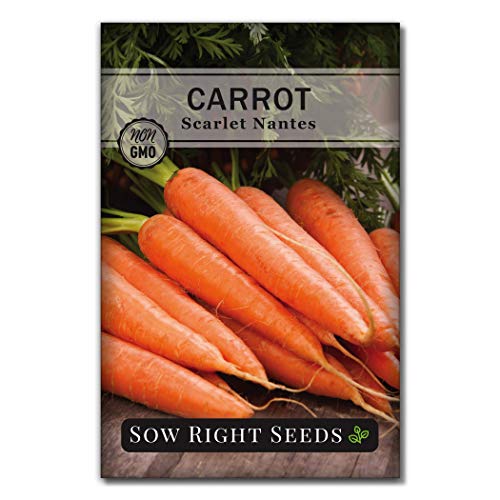
Beautiful - Full color packet of Scarlet Nantes Carrot (Daucus var. 'Scarlet Nantes') Seed. Bright red-orange, fine-grained brittle flesh that is nearly coreless with a fine very sweet flavor. Colors up early for little mini baby carrots. Minimum of 800 mg per packet (about 450 seeds).
Planting Carrot Seeds
When Planting Carrot Seeds, consider the following steps:
- Choose a sunny spot with well-drained, loose soil.
- Ensure the soil is free of rocks or compacted dirt.
- Sow seeds directly into the ground about half an inch deep.
- Space rows about 12-18 inches apart to allow room for growth.
- Thin seedlings to 3-4 inches apart once they germinate.
Recommended Products
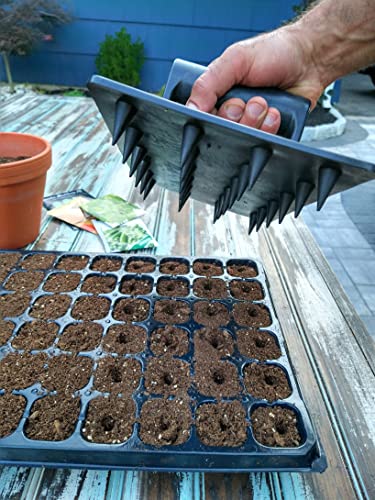
Efficiently start seeds indoors by creating perfect planting holes in 72-cell seed trays

Make Your Own Biodegradable Seed Starter Pots: Create eco-friendly paper pots using newspaper or scrap paper, ideal for starting seeds indoors and reducing plastic waste

Good Combinations: you will receive 4 pieces of mini seeders and 2 pieces of transplanting tools, enough quantity and good combinations to meet your needs and replacements, and you can share some with your friends
Watering and Care
- Water the seeds gently and consistently to keep the soil moist.
- Mulch around the plants to retain moisture and suppress weeds.
- Monitor for pests like carrot rust fly and thin as needed for proper growth.
- Harvest carrots when they reach the desired size, usually around 1 inch in diameter.
- Gently pull them from the ground to avoid breakage.
- Enjoy fresh, home-grown carrots in your favorite dishes.
| Important | Data |
|---|---|
| Ideal Depth for Sowing | 0.5 inches |
| Recommended Row Spacing | 12-18 inches |
| Optimal Seedling Distance | 3-4 inches |
Sit back, relax, and watch your carrot seeds grow into delicious, vibrant vegetables.
Caring for Carrot Plants
Growing healthy carrot plants requires attention to their needs throughout their growth cycle. Here are some essential tips for caring for your carrot plants:
- Watering: Ensure your carrot plants get consistent moisture. They require about 1 inch of water per week, especially during dry spells.
- Weeding: Keep the area around your carrot plants weed-free to prevent competition for nutrients.
- Thinning: Once your carrot seedlings have sprouted, thin them to ensure proper spacing. Aim for 2 inches between plants to allow room for growth.
- Monitoring Pests: Keep an eye out for pests like carrot rust fly or aphids. Consider using row covers to protect your plants.
- Fertilizing: Avoid excessive nitrogen fertilizers as they can lead to forked roots. Instead, use a phosphorus-rich fertilizer to promote root development.
- Harvesting: Carrots are ready for harvesting when they reach about 1 inch in diameter. Gently loosen the soil around them before pulling them out.
| Water Requirement: | 1 inch per week |
|---|---|
| Ideal Spacing: | 2 inches between plants |
Harvesting and Storing Carrots
Harvesting and storing your carrots is a rewarding culmination of your efforts. Here’s how to do it right:
Harvesting:
- Timing: Harvest carrots when they reach about 1 inch in diameter.
- Technique: Gently loosen the soil around the carrots before pulling them out.
- Handle with care: Carrots can be delicate, so pull them out slowly and avoid damaging the tops.
- Cleaning: Remove excess soil without washing them.
- Storage: Store in a cool, dark place like a root cellar or the fridge.
- Using greens: If the tops are still attached, cut them off to prevent moisture loss.
Conclusion
Growing carrots in the ground can be a rewarding experience that yields fresh and flavorful produce right from your own garden. By following the steps outlined in this article, you can successfully cultivate your own carrots with the right varieties, proper planting techniques, and essential care tips. Remember to choose a sunny spot, sow seeds at the right depth, maintain adequate spacing, and ensure consistent watering and monitoring for pests. With a little patience and attention to detail, you’ll soon be enjoying the fruits of your labor as you harvest and store your homegrown carrots for future use. Happy gardening!
Frequently Asked Questions
What should I consider when selecting carrot varieties?
Choose carrot varieties based on size, shape, color, and flavor to suit your preferences and intended use.
What are the key steps for planting carrot seeds?
Plant carrot seeds in a sunny spot with well-drained soil, sow half an inch deep, space rows adequately, thin seedlings once they germinate.
How do I care for carrot plants?
Water plants weekly with about 1 inch of water, weed regularly, thin seedlings to 2 inches, watch for pests like carrot rust fly, use phosphorus-rich fertilizers, harvest carrots gently.
How should I harvest and store carrots?
Harvest when carrots are around 1 inch in diameter, loosen soil before pulling out, handle with care, clean without washing, store in a cool, dark place, and cut off tops if still attached.
