

Ever wondered why your carrots don’t seem to thrive as you hoped? Are you struggling to find the right balance in caring for your carrot patch? Picture this: eagerly planting your carrot seeds, dreaming of a bountiful harvest, only to be met with stunted growth and lackluster produce. Fret not, as we’re here to guide you on the path to carrot-growing success!
Factors Affecting Carrot Growth
Growing healthy carrots requires understanding the various factors that can impact their growth. Here are some key factors to consider:
- Soil Quality: Choose well-draining soil rich in organic matter to provide the essential nutrients carrots need to thrive.
- Watering: Carefully regulate watering to keep the soil consistently moist but not waterlogged, as overwatering can lead to rot.
- Sunlight: Carrots love sun! Ensure they receive at least 6 hours of sunlight daily for optimal growth.
- Spacing: Properly thinning out seedlings is crucial to prevent overcrowding, allowing each carrot enough room to develop fully.
- Temperature: Carrots prefer cool weather. Aim for a consistent temperature range of 60-70°F (15-21°C) for best results.
- Weeding: Regularly remove weeds that compete with carrots for nutrients and water, helping them grow without interference.
Understanding Carrot Watering Needs
When it comes to watering carrots, finding the right balance is crucial for their optimal growth. Overwatering can lead to rot and poor aeration, while underwatering can cause stunted growth and bitter-tasting carrots. Here’s a breakdown of how often you should water your carrots for best results:
- Established Carrots: Water deeply once a week, ensuring the soil is moist but not waterlogged.
- Seedlings: Keep the soil consistently moist until they establish, then transition to a weekly deep watering routine.
Remember, consistency is key when it comes to watering carrots. Monitor the soil moisture levels and adjust based on weather conditions. By providing the right amount of water at the right times, you can promote healthy carrot growth.
Recommended Products

Trusted Since 2015: Become one of the many plant lovers who rely on the proven accuracy of XLUX. Established in 2015, our soil moisture meter has earned over 60,000+ verified ratings for its consistent performance. While many many newer brands come and go, we provide the long-term reliability and quality that American households have trusted for over a decade.

Accurate Soil Moisture Detection: The XLUX Soil Moisture Meter can tell you if the soil deep inside your pot or garden is dry, moist or wet; whereas your eyes and fingers can only determine the moisture level of the soil surface. The probe is 5.5 inches (14 cm) longer than regular styles, allowing it to measure the soil moisture at the bottom of larger and deeper flower pots.
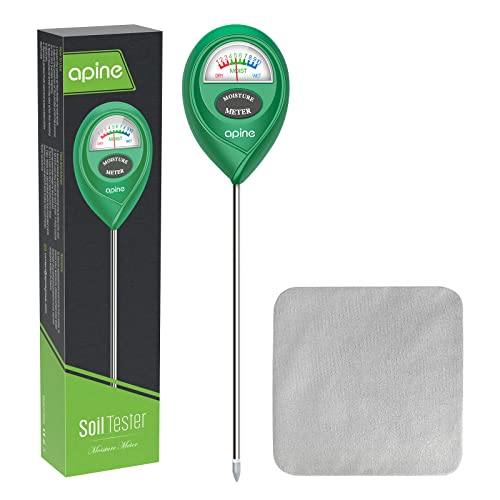
Quick Measurement:Just insert the probe of the plant water meter into the soil about two to four inches,wait a few seconds,you can get the soil moisture immediately.The color division of the dial is simple and clear,and the elderly can easily use it
Signs of Overwatering Carrots
Signs of overwatering your carrots can be detrimental to their growth. It’s crucial to recognize these signs early on to prevent damage to your crop. Here’s what to look out for:
- Yellowing leaves: If you notice your carrot leaves turning yellow, it could be a sign of overwatering.
- Wilting: Carrots that are overwatered may exhibit wilting, where the leaves become limp and droopy.
- Root rot: Overwatering can lead to root rot, causing the carrot roots to turn brown, soft, and mushy.
- Stunted growth: Excessive water can impede root development, resulting in stunted growth of your carrots.
To avoid overwatering, ensure proper drainage in your soil and adjust your watering schedule accordingly based on the moisture levels.
Recommended Products

Kindly NOTE: This soil tester can not be applied to test pH value of any other liquid. If the soil is too dry the indicator will not move, and water it before testing.

【4 in 1 function】This is a 4-in-1 multifunctional soil tester.Our soil tester fastly to measure soil moisture, pH, temperature and sunlight to help you take better care of flowers and plants.You can know when you need to water your soil by measuring moisture and pH & Temperature value of the soil and sunlight level of plants with it.
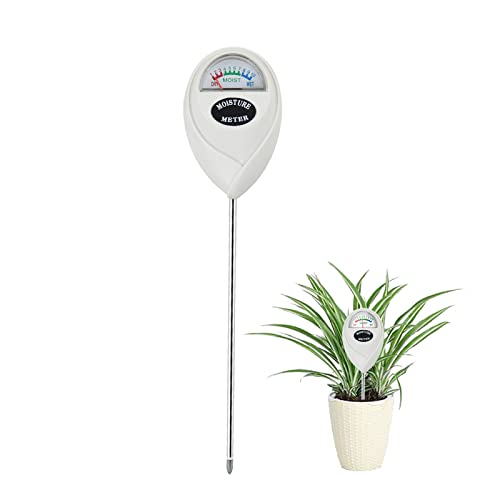
【SAVE YOUR PLANTS】: Over watering can cause problems with your plants or even kill them. This soil moisture meter helps you know the soil is dry, moist or wet.No more over watering!
Signs of Underwatering Carrots
When it comes to caring for your carrots, recognizing signs of underwatering is just as crucial as spotting signs of overwatering. Here are some indicators that your carrots might not be getting enough water:
- Slow Growth: If your carrots seem to be taking forever to grow, it could be a sign of underwatering.
- Dry Soil: Check the soil moisture by sticking your finger into the ground. If it’s dry several inches down, your carrots may need more water.
- Wilting Leaves: Droopy, limp leaves can be a clear sign that your carrots are thirsting for a good drink.
- Small, Stunted Carrots: Lack of water can inhibit proper root development, resulting in tiny, stunted carrots.
To ensure your carrots thrive, be mindful of these signs and adjust your watering schedule accordingly.
Best Practices for Watering Carrots
When it comes to watering carrots for optimal growth, consistency is key. Here are some best practices to keep in mind:
- Regular watering: Ensure carrots receive 1 to 1.5 inches of water per week.
- Deep watering: Water carrots deeply to encourage deep root growth.
- Avoid overwatering: Overwatering can lead to root rot and yellowing leaves.
- Check soil moisture: Stick your finger into the soil to check for moisture before watering.
- Mulch: Use mulch to help retain moisture in the soil and reduce water evaporation.
- Morning watering: Water carrots in the morning to prevent fungus growth due to wet leaves overnight.
Remember, sticking to a consistent watering schedule based on your local climate and soil conditions is essential for healthy carrot growth.
Conclusion
Ensuring the optimal growth of your carrots relies heavily on your ability to identify signs of both overwatering and underwatering. By recognizing these indicators early on, you can adjust your watering practices accordingly to maintain healthy crop development. Remember to water your carrots consistently, aiming for around 1 to 1.5 inches per week and ensuring deep root hydration. Always check soil moisture levels before watering, utilize mulch for moisture retention, and opt for morning watering to deter fungal issues. Tailoring your watering routine to suit your local climate and soil conditions is key to cultivating thriving and robust carrots.
Frequently Asked Questions
How can I tell if my carrots are overwatered?
Overwatered carrots often show signs like yellowing leaves, root rot, and a foul odor from the soil. Adjust watering frequency to prevent these issues.
What are the indicators of underwatering in carrots?
Underwatered carrots exhibit slow growth, dry soil, wilting leaves, and stunted roots. Monitor soil moisture levels regularly and adjust watering accordingly.
What are the best practices for watering carrots?
Water carrots regularly with 1 to 1.5 inches per week, ensuring deep root watering. Check soil moisture before watering, use mulch for retention, and water in the morning to prevent fungal growth.
How important is consistency in watering for carrot growth?
Consistent watering based on local climate and soil conditions is crucial for maintaining healthy carrot growth. Establish a watering routine to meet their moisture needs.
