

Best Time to Plant Beets in Ohio
When planting beets in Ohio, timing is crucial. Here are key points to help you make the most of your beet planting season:
- Spring: Start planting beets in Ohio in early spring when the soil temperature reaches at least 50°F. This usually falls between April and May.
- Fall: For a fall harvest, plant beets in late summer. This is typically around late July to early August. The cooler weather allows beets to mature slowly, enhancing their flavor.
- Soil Conditions: Beets thrive in well-draining soil rich in organic matter. Make sure the soil pH is between 6.0 and 7.0 for optimal growth.
- Seed Depth: Plant beet seeds about half an inch deep in rows spaced 12-18 inches apart. Thin out seedlings to 3-4 inches apart once they reach a few inches in height.
- Sun Exposure: Beets need full sun for at least 6 hours a day. Choose a sunny spot in your garden to ensure healthy beet growth.
- Frost Tolerance: Beets are frost-tolerant but prefer cool weather. In Ohio, they can withstand light frosts, making them a versatile choice for early and late-season planting.
- Successive Planting: Consider planting beets in intervals of 2-3 weeks to ensure a continuous harvest throughout the growing season.
| Planting Time | Optimal Soil Temperature |
|---|---|
| Early Spring | 50°F and above |
| Late Summer | Cooler temperatures ideal |
Choosing the Right Beet Varieties
When selecting beet varieties for your Ohio garden, consider factors like flavor, color, shape, and growth habit to suit your preferences. Here are some popular beet varieties to consider:
- Detroit Dark Red: A classic beet with deep red flesh and a sweet flavor.
- Golden: Known for its vibrant yellow flesh and mild taste.
- Chioggia: Also called Candy Cane beets, with striking pink and white concentric rings.
- Cylindra: Produces long, cylindrical roots that are easy to slice.
- Bull’s Blood: Grown for its dark red leaves, often used in salads.
When deciding on beet varieties, think about whether you prefer baby beets for an early harvest or varieties that grow larger for storing. Experiment with different types to discover your favorites for fresh eating, canning, or pickling.
Recommended Products
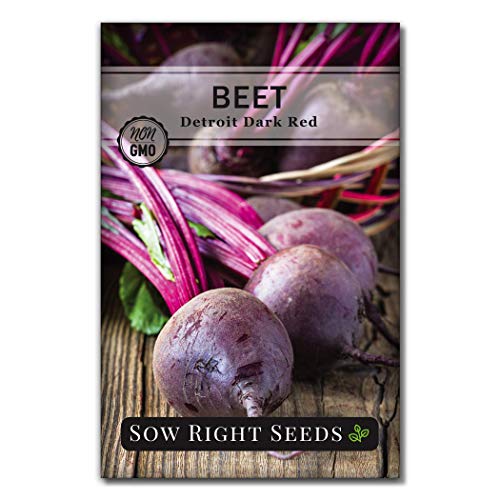
Beautiful - Large premium packet of Detroit Dark Red Beet (Beta var. ‘Detroit Dark Red’) seeds. Vivid, dark red 2-3" round beets have sweet flesh and tasty edible greens. This resilient variety can tolerate temperature variations, offering high productivity even in less-than-ideal soil conditions. Minimum of 1.5 g per packet (about 90 seeds).

Discover the Best Beet Variety: As beet enthusiasts ourselves, we proudly present Ohio Heirloom's Detroit Dark Red Beet Seeds—our top pick for unparalleled flavor and versatility in your kitchen

HIGH GERMINATION RATE – PLANT WITH CONFIDENCE: Achieve impressive germination with our Detroit Dark Red Beet seeds, ensuring consistent growth and a rewarding gardening experience for both novice and experienced gardeners. Enjoy a bountiful and healthy harvest.
Preparing the Soil for Planting Beets
To ensure a thriving beet crop in Ohio, preparing the soil correctly is essential. Here are tips to get your soil ready:
- Test the pH: Aim for a pH between 6.0 and 7.0, which is optimal for beet growth.
- Check Drainage: Well-draining soil is key for healthy beets. Make sure water doesn’t pool in the planting area.
- Amend Soil: If needed, add compost to improve soil structure and provide essential nutrients.
- Clear the Area: Remove any weeds, rocks, or debris from the soil to create a clean planting bed.
- Loosen the Soil: Use a garden fork to break up compacted soil, allowing beet roots to grow freely.
- Consider Mulching: Mulch can help retain moisture and keep weeds at bay, benefiting your beet plants.
By following these soil preparation steps, you set the stage for a successful beet-growing season in Ohio.
Recommended Products

Quick, at home results for Soil pH, Nitrogen, Phosphorous and Potash Innovative and inexpensive soil test kit features an easy-to-use capsule system and patented color comparators

Kindly NOTE: This soil tester can not be applied to test pH value of any other liquid. If the soil is too dry the indicator will not move, and water it before testing.

KNOW BEFORE YOU GROW | Grow the healthiest, sustainable lawn and garden with the most accurate and easy to use professional soil test kit on the market
Planting Beets: Tips and Tricks
Best Planting Time:
- Early Spring: Plant beet seeds as soon as the ground can be worked in late March to mid-April in Ohio for a bountiful harvest.
Soil Conditions:
- Beets thrive in well-draining soil with a pH of 6.0 to 7.5. Ensure soil is weed-free and amended with compost for optimal growth.
Spacing and Depth:
- Plant beet seeds about 1 inch apart and 1/2 inch deep in rows. Thin seedlings to 3 to 4 inches apart for healthy root development.
Sunlight Requirements:
- Ensure your beet bed gets full sun for at least 6 hours a day to promote vigorous growth and sweet roots.
Watering Needs:
- Keep the soil consistently moist but not waterlogged. Water deeply, about 1 inch per week, especially during dry periods.
Mulching Benefits:
- Mulch around beet plants to conserve moisture, suppress weeds, and maintain a consistent soil temperature.
- You can start harvesting beet greens when they’re 4 to 6 inches tall. For mature roots, wait 50 to 70 days from planting.
- Keep an eye out for aphids and leaf miners. Practice crop rotation to avoid soil-borne diseases.
| Important Note |
|---|
| Proper thinning is crucial to prevent overcrowding and promote healthy root development. |
Recommended Products

AWARD-WINNING HEIRLOOM – Ruby Queen (Beta vulgaris) is an American classic red beetroot introduced in the 1940s, prized for its vibrant color, even growth, and outstanding flavor that earned national acclaim
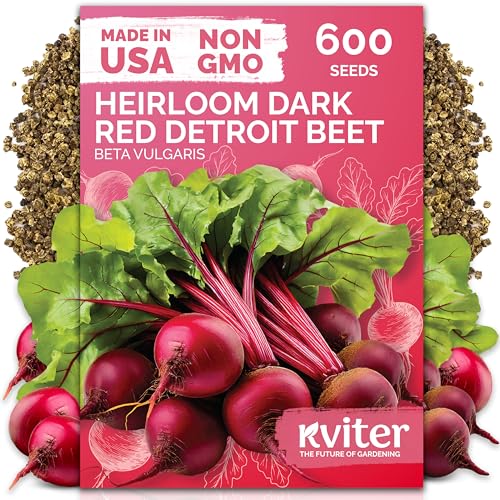
55-60 Day Harvest: Red beet seeds mature fast with tender 2-3 inch roots and sweet classic flavor; sow in loose, well-drained soil at 55-70 °F for best vegetable seeds results.

Golden roots and edible greens: Grow Golden Detroit beets for yellow roots you can roast, pickle or slice into salads. The leafy tops can also be cooked as garden greens.
Caring for Your Beet Plants
Taking care of your beet plants is essential to ensure a bountiful harvest. Here are some tips to help you maintain healthy and thriving beet crops:
- Watering: Keep your beets consistently moist by watering them regularly, especially during dry spells. Aim to provide about 1-2 inches of water per week, either through rainfall or manual watering.
- Thinning: Proper thinning is crucial for preventing overcrowding and promoting healthy root development in your beet plants. Thin seedlings to about 3-4 inches apart once they have developed their first true leaves.
- Fertilizing: Apply a balanced fertilizer, such as a 10-10-10 blend, when planting your beet seeds. Avoid using fertilizers high in nitrogen, as this can lead to lush foliage at the expense of root growth.
- Weeding: Regularly weed your beet bed to prevent competition for nutrients and water. Be gentle around the plants to avoid damaging their shallow roots.
- Pest Control: Keep an eye out for common pests like aphids and leaf miners. Consider using natural remedies or organic pesticides to manage infestations without harming beneficial insects.
- Harvesting: Start harvesting beet greens when they reach about 4-6 inches in height. You can harvest mature beet roots when they reach 1-3 inches in diameter, depending on the variety.
Remember, attentive care and timely interventions can help your beet plants thrive and produce a plentiful crop for you to enjoy.
| Important Facts | Data |
|---|---|
| Weekly Water Requirement | 1-2 inches |
| Ideal Thinning Distance | 3-4 inches |
| Recommended Fertilizer | 10-10-10 blend |
| Beet Greens Harvesting Height | 4-6 inches |
| Mature Beet Roots Harvesting Size | 1-3 inches in diameter |
Conclusion
Now that you have a better understanding of how to care for your beet plants, you’re well-equipped to ensure a bountiful harvest. Remember to keep up with watering, thinning, fertilizing, weeding, and pest control to nurture your beets to maturity. By following these tips and staying attentive to your plants’ needs, you’ll be on your way to enjoying delicious beet greens and mature roots. Happy planting in Ohio!
Frequently Asked Questions
Q: How often should I water my beet plants?
A: Water beet plants consistently, aiming to keep the soil evenly moist but not waterlogged. Water deeply to encourage root growth.
Q: Is thinning necessary for beet plants?
A: Yes, thin beet seedlings to ensure proper spacing for healthy root development. Thinning helps avoid overcrowding and promotes robust growth.
Q: What type of fertilizer should I use for beet plants?
A: Use a balanced fertilizer with equal ratios of nitrogen, phosphorus, and potassium to support overall beet plant growth and root development.
Q: How can I control weeds in my beet garden?
A: Regularly remove weeds by hand or use mulch to suppress weed growth and prevent competition for nutrients and water.
Q: What are common pests that affect beet plants?
A: Watch out for pests like aphids and leaf miners. Monitor plants regularly and take appropriate measures if pest infestations occur.
Q: When is the right time to harvest beet greens and roots?
A: Harvest beet greens when they reach the desired size for eating. For mature roots, harvest at the recommended size, typically around 1.5 to 3 inches in diameter.
