
Close Menu
    Veggie Knowledge
    • Home
    • Growing Vegetables
      • Beets
      • Broccoli
      • Carrots
      • Cucumber
      • Green Beans
    • Tips and Advice
    • Free eBook
    • About
      • Contact
      • Privacy Policy
    Veggie Knowledge
    Home»Beets»When to Harvest Beets: Tips for Storage and Freshness
    Beets

    When to Harvest Beets: Tips for Storage and Freshness

    Lucy StoneBy Lucy StoneMay 19, 20246 Mins Read
    Facebook Twitter Pinterest LinkedIn Tumblr WhatsApp VKontakte Email
    Share
    Facebook Twitter LinkedIn Pinterest Email

    Ever wondered when the perfect time is to harvest your beets for that ultimate garden-fresh taste? Picture this: you’ve nurtured your beet plants from tiny seeds, and now it’s time to reap the rewards of your hard work. But when exactly should you pluck those vibrant, earthy gems from the soil?

    Contents show
    1 Signs of Beet Readiness
    2 Best Time of Day to Harvest
    3 Tools Needed for Harvesting Beets
    4 Proper Harvesting Technique
    5 Storing Freshly Harvested Beets
    6 Conclusion
    7 Frequently Asked Questions
    7.1 What are the recommended tips for harvesting beets?
    7.2 How should beets be stored to maintain their freshness?
    7.3 What are the optimal storage conditions for beets?
    7.4 Why is it important to regularly check for spoilage when storing beets?

    Signs of Beet Readiness

    It’s exciting to see your beet plants thriving in the garden, but how do you know when they’re ready to be harvested? Here are some key signs to look for:

    • Size: Beets are typically ready to harvest when they reach about 1 to 3 inches in diameter. Larger beets can taste woody or tough, so keep an eye on their size.
    • Texture: Check the skin of the beet. It should be smooth and firm. Wrinkled or soft skin might indicate overripeness.
    • Foliage: The foliage of the beet plant can also give you clues. Healthy leaves show that the plant is still growing strong.
    • Time: Most beets are ready for harvest around 50 to 70 days after planting. Early harvesting can result in small beets, while delaying the harvest can lead to an overly mature and less tasty crop.

    Best Time of Day to Harvest

    When it comes to harvesting beets, the best time of day is in the morning before the sun gets too hot. Beets tend to lose moisture as the day progresses, so harvesting early helps them stay crisp. It’s also easier to handle the cool soil in the morning, making the process smoother for you.

    • Retains moisture for a crisp texture
    • Easier handling due to cooler soil
    • Optimal freshness for peak flavor

    Make the most of your beet harvest by picking them in the morning.

    Tools Needed for Harvesting Beets

    To ensure a successful beet harvest, having the right tools on hand is essential. Here are some tools you’ll want to gather before heading out to the garden:

    • Gloves: Protect your hands from dirt and potential cuts while handling the beets.
    • Sharp Knife or Garden Shears: Use for cutting the beet greens from the roots.
    • Bucket or Basket: Ideal for collecting the harvested beets and keeping them organized.
    • Wheelbarrow or Cart: Helpful for transporting larger quantities of beets, especially for a bountiful harvest.
    • Watering Can: Use to rinse off excess dirt from the beets before storage.
    • Storage Containers: Ensure you have a place to store the harvested beets properly.
    MUST READ:  Ultimate Guide: Planting Beets and Carrots Together Successfully

    By having these tools ready and easily accessible, you’ll streamline the harvesting process and make it more efficient.

    Recommended Products

    AGLOO Gardening Gloves with Thumb Knife - 1 Pair for Quick Pruning, Fruit Picking and Trimming in Yard - Breathable, Anti-Thorn Picking Gloves for Plant Harvesting
    AGLOO Gardening Gloves with Thumb Knife - 1 Pair for Quick Pruning, Fruit Picking and Trimming in Yard - Breathable, Anti-Thorn Picking Gloves for Plant Harvesting

    Innovative Design: These unique Gardening Gloves come with an integrated Thumb Knife, designed to increase your efficiency during quick pruning, plant fruit picking, and vegetable harvesting in your yard or garden

    VIEW LATEST PRICE

    As an affiliate, we earn on qualifying purchases.

    gonicc 8" Professional Ratchet Anvil Pruning Shears (GPPS-1011)
    gonicc 8" Professional Ratchet Anvil Pruning Shears (GPPS-1011)

    Premium SK‑5 Steel Blades - Our garden shears feature professional-grade SK‑5 steel blades built to the highest quality standards, delivering clean, precise cuts every time. Perfect for trimming light tree branches, rose bushes, shrubs, and hedges with ease.

    VIEW LATEST PRICE

    As an affiliate, we earn on qualifying purchases.

    Felco F310 Pruning Snips – 7.3" Lightweight Garden Clippers for Fine Trimming & Harvesting | Pruning Shears for Gardening | Garden Snips and Pruners with Forged Aluminum Handles, Precision Tip
    Felco F310 Pruning Snips – 7.3" Lightweight Garden Clippers for Fine Trimming & Harvesting | Pruning Shears for Gardening | Garden Snips and Pruners with Forged Aluminum Handles, Precision Tip

    Stainless Steel Cutting Head

    VIEW LATEST PRICE

    As an affiliate, we earn on qualifying purchases.

    Proper Harvesting Technique

    When it comes to harvesting beets, it’s essential to use the right technique to ensure a successful and efficient process. Here are some tips to help you harvest your beets like a pro:

    • Timing is Key: Harvest your beets when they reach the optimal size for their variety, typically around 1.5 to 3 inches in diameter. Check the days to maturity listed on the seed packet for guidance.
    • Prepare Your Tools: Before you start, gather your harvesting tools, including gloves, a sharp knife or garden shears, a bucket or basket, a wheelbarrow or cart for larger quantities, and a watering can for rinsing off dirt.
    • Loosen the Soil: Gently loosen the soil around the base of the beet to make it easier to pull out. Avoid damaging the beet while loosening the soil.
    • Harvesting: Grasp the beet firmly at the base and gently pull it out of the ground. Try to keep the leaves intact to prevent bleeding, which can affect the beet’s storage life.
    • Trimming: Once harvested, trim the leaves, leaving about an inch of the stem attached. This helps the beet retain moisture and stay fresh longer.
    • Storage: Store your harvested beets in a cool, dark place like a root cellar or refrigerator. Remove the tops before storing to prevent moisture loss from the roots.
    MUST READ:  Harvesting Beets: How to Tell When They're Ripe

    Remember, mastering the proper harvesting technique is crucial for enjoying fresh, homegrown beets at their peak flavor and quality.

    Storing Freshly Harvested Beets

    After harvesting your beets, it’s essential to store them properly to maintain their freshness and flavor. Here are some tips to help you preserve your freshly harvested beets:

    • Trim the leaves about an inch above the root to prevent them from pulling moisture away from the beet.
    • Do not wash the beets immediately after harvesting. Instead, remove excess soil gently without damaging the skin.
    • Store the beets in a cool and dark place to keep them fresh longer. A root cellar or refrigerator works well for this purpose.
    • Place the beets in a perforated plastic bag or ventilated container to maintain proper humidity levels.
    • Check your stored beets regularly, removing any that show signs of spoilage to prevent the spread to other beets.
    Optimal Storage Conditions for Beets
    Temperature: 32-35°F (0-2°C)
    Humidity: 90-95%
    Shelf Life: 1-3 months

    Proper storage of your freshly harvested beets will ensure that you can enjoy their delicious flavor and nutritional benefits for weeks to come.

    Recommended Products

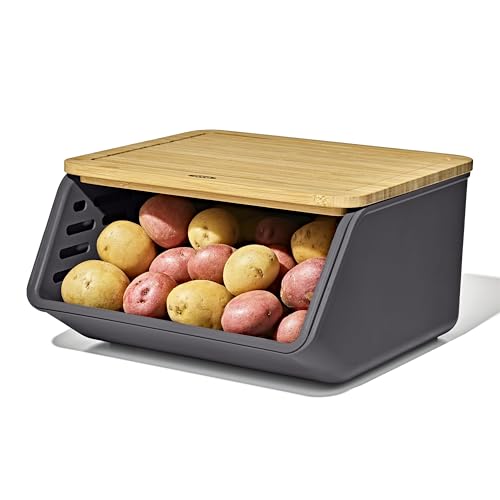
    Cole & Mason Fresh Herb Keeper - Acrylic Storage Container for Refrigerator - Storage for Herbs & Vegetables for Fridge - Fresh Herb Keeper
    Cole & Mason Fresh Herb Keeper - Acrylic Storage Container for Refrigerator - Storage for Herbs & Vegetables for Fridge - Fresh Herb Keeper

    Fresh Herb Keeper for Preservation: This fresh herb keeper is designed to extend the freshness of your herbs by up to 10 days, ensuring vibrant flavors for your dishes
    VIEW LATEST PRICE

    As an affiliate, we earn on qualifying purchases.

    MUST READ:  Beet Benefits: Discover How Beets Naturally Thin Your Blood
    BINO | Produce Saver - 15.2 Cup/3.6L | Fridge Storage Containers for Fruits and Vegetables | Vegetable Storage with Adjustable Air Vent, Removable Basket | BPA-Free Fridge Organizers and Storage
    BINO | Produce Saver - 15.2 Cup/3.6L | Fridge Storage Containers for Fruits and Vegetables | Vegetable Storage with Adjustable Air Vent, Removable Basket | BPA-Free Fridge Organizers and Storage

    Clever Design: The BINO produce saver is made of a durable material that is easy to clean and has a tight-fitting lid to keep out moisture and air. It has a removable colander-style basket that helps drain any excess water.

    VIEW LATEST PRICE

    As an affiliate, we earn on qualifying purchases.

    Ortarco Tomato Keeper Saver Tomato Storage Containers With Lid
    Ortarco Tomato Keeper Saver Tomato Storage Containers With Lid

    SAFE AND REUSABLE: BPA Free PP material tomato keeper which is a great alternative to using plastic bags.

    VIEW LATEST PRICE

    As an affiliate, we earn on qualifying purchases.

    Conclusion

    Harvesting beets at the right time ensures you enjoy their freshness and flavor for months to come. By following the tips shared in this article and storing them properly, you can savor the delicious taste and nutritional benefits of beets. Remember to trim the leaves, store in a cool, dark place, and use appropriate containers. Checking for spoilage regularly will help maintain the quality of your beets and prevent any issues. With these simple steps, you can make the most of your beet harvest and enjoy their goodness for an extended period. Happy harvesting!

    Frequently Asked Questions

    What are the recommended tips for harvesting beets?

    When harvesting beets, it is recommended to trim the leaves, leaving about an inch of the stems attached to the beetroot. This helps to prevent moisture loss and maintains freshness.

    How should beets be stored to maintain their freshness?

    Beets should be stored in a cool, dark place to prevent moisture loss and maintain flavor. It is advisable to store them in perforated bags or ventilated containers to ensure proper air circulation.

    What are the optimal storage conditions for beets?

    The ideal storage temperature for beets is between 32-35°F (0-2°C), with a humidity level of 90-95%. These conditions help to prolong the shelf life of beets for 1-3 months.

    Why is it important to regularly check for spoilage when storing beets?

    Regularly checking for spoilage helps to prevent it from spreading to other beets in storage. It also ensures that you can enjoy the delicious flavor and nutritional benefits of beets for an extended period.

    Share. Facebook Twitter Pinterest LinkedIn Tumblr WhatsApp Email
    Previous ArticleWatch How Carrots Grow: Complete Stages & Harvesting Guide
    Next Article Planting Cucumber Seeds: Perfect Timing Guide for Optimal Growth
    lucy stone
    Lucy Stone

      Hi, I'm Lucy! As a passionate gardener and writer for Veggie Knowledge, I've dedicated my life to exploring the secrets of successful vegetable growing. My love for gardening blossomed in my grandmother's backyard, where I learned how much joy a single plant can bring. I aim to share that joy through practical tips and insightful advice, helping you cultivate your own thriving garden

      Related Posts

      How to Tell When Beets Are Ready to Harvest: Expert Tips

      July 8, 2024

      Mastering Sugar Beet Planting: Essential Tips for Success

      July 8, 2024

      How Long to Water Bath Pickled Beets Safely: Expert Advice

      July 8, 2024

      Discover the Nutritional Power of Beets: Recipes Included

      July 8, 2024
      Leave A Reply Cancel Reply

      Affiliate Disclosure

      As an Amazon Associate, I earn from qualifying purchases.

      Recommended Reading

      Watering Your Lettuce: How Much is Needed for Optimal Growth?

      Growing Vegetables

      How to Grow Garlic in Central Texas: Regional Success Secrets

      Growing Vegetables

      How Tall Do Pickling Cucumber Plants Grow? Essential Information

      Growing Vegetables

      How to Grow a Cutting Garden: Complete Beginner’s Checklist

      Growing Vegetables

      How Do Brussels Sprouts Grow? Everything You Need to Know

      Growing Vegetables

      How to Grow Pumpkin From Fresh Seeds: Simple Steps to Success

      Growing Vegetables

      How to Grow Garden Sage: Step-by-Step for Beginners

      Growing Vegetables

      How Tall Do Basil Plants Grow? Everything You Need to Know

      Growing Vegetables
      How VeggieKnowledge.com Got Started

      We started this website to share our love of vegetables with the world, and to help people discover the many benefits of growing, cooking, and eating fresh and delicious vegetables.

      Got questions or comments? You can reach us at [email protected].

      Featured Articles

      10 Common Gardening Mistakes (and How to Avoid Them)

      How Much Sun Do Vegetables Really Need?

      Beginner’s Guide to Growing Vegetables: What to Know Before You Start

      Watering 101: How to Keep Your Plants Happy and Healthy

      The Best Vegetables for First-Time Gardeners

      Categories
      • Beets
      • Broccoli
      • Carrots
      • Cucumber
      • Green Beans
      • Tips and Advice
      Veggie Knowledge
      • Home
      • About
      • Contact
      • Privacy Policy
      • Affiliate Disclosure
      • Free eBook
      © 2026 Veggie Knowledge

      Type above and press Enter to search. Press Esc to cancel.