

Ever wondered when the perfect time to plant beets is? Picture this: you’re eager to get your hands dirty in the garden, but unsure of when to start. Don’t worry, I’ve got you covered! In this article, I’ll guide you through the optimal timing for planting beets and help you achieve a bountiful harvest.
Have you ever found yourself uncertain about when to sow those vibrant beet seeds? You’re not alone! Timing is crucial when it comes to planting beets. By the end of this read, you’ll have the confidence to kickstart your beet-growing journey at the right moment. Let’s dive in and uncover the secrets to successful beet planting.
Benefits of Growing Beets
Here are some key benefits you can enjoy from growing beets:
- Nutrient-Rich Superfood: Beets are packed with essential vitamins and minerals like iron, vitamin C, and fiber, supporting your overall health.
- Versatile in the Kitchen: You can enjoy beets in various forms – raw, cooked, juiced, or pickled, adding a flavorful and nutritious touch to your dishes.
- Boosts Garden Diversity: Beets are a great addition to your garden, attracting beneficial insects and promoting a healthy ecosystem.
- Cost-Effective: Growing beets at home can help you save money in the long run, as they are typically easy to grow and maintain.
- Sustainable Practice: By growing your own beets, you reduce your reliance on store-bought produce, contributing to a more sustainable lifestyle.
- Customizable Harvest: You can harvest beets at different stages, from baby beets for salads to mature beets for roasting or pickling, offering versatility in your home cooking.
By exploring the benefits of growing beets, you’ll not only enjoy a bounty of fresh produce but also experience the satisfaction of nurturing your own garden ecosystem.
Factors to Consider Before Planting Beets
Before planting beets, there are several factors you should consider to ensure a successful harvest:
- Soil Temperature: Beets thrive in cool temperatures, so it’s best to plant them when the soil reaches 50-85°F.
- Sunlight: Ensure your beet plants receive 6-8 hours of sunlight each day for optimal growth.
- Soil Quality: Beets prefer well-draining soil with a pH level between 6.0-7.0. Consider amending the soil with compost for better results.
- Planting Depth: Plant beet seeds 1/2 inch deep in rows spaced 12-18 inches apart.
- Watering: Keep the soil consistently moist but not waterlogged to support seed germination and healthy plant growth.
- Companion Planting: Consider planting beets near crops like lettuce, onions, or spinach to maximize garden space and promote plant health.
- Pests and Diseases: Be on the lookout for common beet pests like aphids or diseases like powdery mildew, taking preventative measures early on.
By considering these factors, you can set the stage for a successful beet planting experience.
Best Season for Planting Beets
Spring and fall are the best seasons to plant beets.
Soil temperature should be at least 50°F before planting.
Beets thrive in cool weather and mature quickly.
Spring Planting
Plant beets about 2-4 weeks before the last frost date in your area.
Ensure the soil is moist but not waterlogged for best results.
Directly sow seeds 1/2 inch deep in well-draining soil.
Fall Planting
Start planting beets in late summer to early fall for a fall harvest.
Beets planted in fall tend to be extra sweet due to cooler temperatures.
Mulch around plants to regulate soil temperature and moisture.
| Optimal Soil Temperature: | at least 50°F |
|---|---|
| Planting Depth: | 1/2 inch |
| Time to Maturity: | 55-70 days |
Enjoy the process of planting your beets and get ready for a flavorful harvest ahead.
Recommended Products
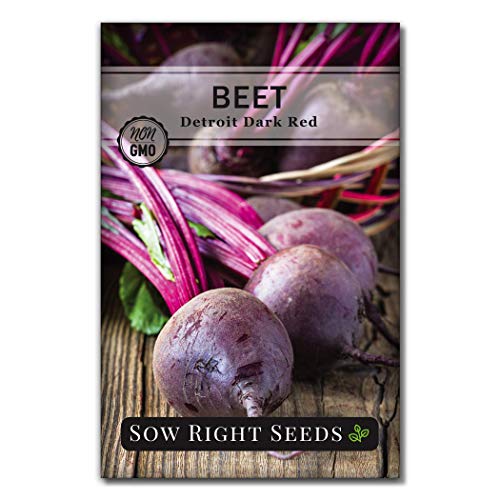
Beautiful - Large premium packet of Detroit Dark Red Beet (Beta var. ‘Detroit Dark Red’) seeds. Vivid, dark red 2-3" round beets have sweet flesh and tasty edible greens. This resilient variety can tolerate temperature variations, offering high productivity even in less-than-ideal soil conditions. Minimum of 1.5 g per packet (about 90 seeds).

Beautiful - Large premium packet of Chioggia Beet (Beta var. ‘Chioggia’) seeds. Transform your garden with this vibrant and striking variety. Known for their distinctive pink and white ringed interior, these beets excel in both appearance and taste! Their mellow, delicious flavor complement a variety of dishes. Minimum of 1.5 g per packet (about 150 seeds).

Beautiful - Large premium packet of Colorful Mixture Beet (Beta vulgaris) seeds. A delightful mix that promises a brilliant array of colors, transforming your garden into a stunning display of reds, golds, purples, and candy stripes. These hearty, robust plants add color to your garden as well as your dinner plate! Minimum of 1.5 g per packet (about 90 seeds).
Soil Preparation for Beets
When it comes to planting beets, proper soil preparation is key to ensuring a successful harvest. Here are some essential steps to prepare your soil for planting:
- Loosen the soil: Before planting your beet seeds, make sure your soil is well-draining. Loose soil promotes healthy root growth and helps prevent issues like rot.
- pH levels: Beets prefer slightly acidic to neutral soil. Test your soil pH and adjust it if needed to fall within the optimal range of 6.0 to 7.0.
- Amend the soil: Incorporate compost or well-rotted manure into the soil to improve its fertility and structure. This will provide essential nutrients for your beet plants.
- Remove debris: Clear the planting area of any rocks, sticks, or weeds that could impede seed germination or root development.
- Avoid nitrogen-rich fertilizers: Excessive nitrogen can result in lush foliage at the expense of root growth. Opt for a balanced fertilizer to support overall plant health.
- Mulch after planting: Once you’ve sown your beet seeds, consider applying a layer of organic mulch around the plants. Mulch helps retain soil moisture, regulate temperature, and suppress weeds.
By following these soil preparation tips, you’ll create an ideal environment for your beet plants to thrive and produce a bountiful harvest.
| Soil Preparation Tips for Beets | |
|---|---|
| 1. | Loosen the soil for proper drainage |
| 2. | Check and adjust soil pH to 6.0-7.0 |
| 3. | Incorporate compost or manure for nutrients |
| 4. | Clear debris to prevent obstructions |
| 5. | Use balanced fertilizers to support plant health |
| 6. | Mulch around plants for moisture regulation |
Recommended Products

Bulls Blood Beet Seeds for Planting: A non-GMO heirloom variety known for its deep red leaves and sweet, tender roots, perfect for salads and cooking.

🌱 Heirloom Bull’s Blood Beet Seeds – Grow a classic beet variety known for deep red roots, beautiful burgundy stems, and flavorful edible greens.

Classic sweet beetroot + greens, Detroit Dark Red, a dependable heirloom table beet (Beta vulgaris); deep red, round roots with strong tops; great for roasting, salads, pickling, and storage
Tips for Caring for Beet Plants
- Watering: Beet plants need consistent moisture, aiming for around 1-2 inches of water per week. Monitor soil moisture and adjust watering as needed.
- Weeding: Regular weeding helps prevent competition for resources and allows beets to grow unhindered.
- Thinning: Thin seedlings to ensure adequate space for each plant to develop properly. Aim for about 3-4 inches between plants.
- Fertilizing: Avoid excessive nitrogen fertilizers that can result in lush foliage but smaller roots. Opt for balanced fertilizers instead.
- Pests and Diseases: Keep an eye out for common pests like aphids and flea beetles. Practice crop rotation to reduce the risk of diseases.
- Harvesting: Beet greens can be harvested as soon as they’re large enough, while the roots are ready for harvesting around 2-3 inches in diameter.
- Storage: Store harvested beets in a cool, dark place or in the refrigerator to maintain freshness for several weeks.
| Watering: | 1-2 inches of water per week |
|---|---|
| Thinning: | 3-4 inches between plants |
| Harvesting: | Roots at 2-3 inches in diameter |
| Storage: | Cool, dark place or refrigerator for several weeks |
Recommended Products
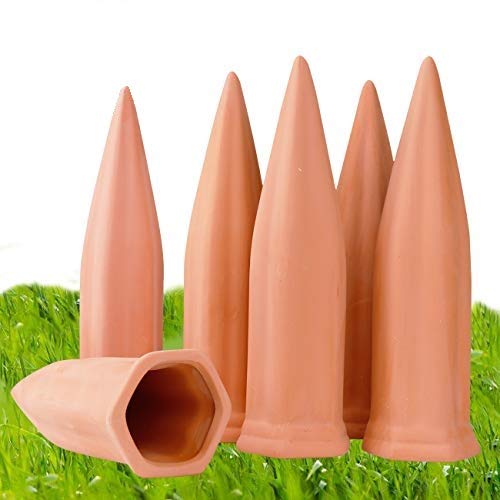
Made of Terracotta - Slow Release Water Automatically: The plant watering device is made from terracotta clay, which is a little fragile due to its property. The terracotta watering spikes will release water automatically. Thinner the spikes, faster the draining speed. Therefore, you may still find the spikes broken when you receive it. Do not worry. Remiawy will take full responsibility for that

4-Hole Side Design: This high-performance tree watering spike makes it easy to deliver water and fertilizer directly to the root zone. The upgraded side-hole design helps improve watering efficiency, while the sharp tip makes it easy to push into hard or compact soil. The 4 side outlets help reduce clogging and distribute water more evenly for deep root watering and feeding.

【Unique Design Deep Root Tree Watering Tool】 Our root watering tool have four exit hole for the water,won't got clogged easily,It made of stainless steel,not rusting from the inside out.It can leave in the soil and is strong enough to drive through gravel,help your plants build a strong root system .
Conclusion
Ensuring your beet plants thrive involves proper soil preparation, consistent watering, regular weeding, and mindful care throughout their growth. By following these tips, you set the stage for a successful beet harvest. Remember to monitor for pests and diseases, harvest at the right size, and store them correctly for optimal freshness. Your efforts will pay off with delicious, homegrown beets to enjoy in your meals. Happy planting!
Frequently Asked Questions
Why is soil preparation important for planting beets?
Proper soil preparation ensures that beets can establish strong root systems, access essential nutrients, and thrive in optimal growing conditions.
How often should I water my beet plants?
Maintain consistent moisture by watering your beet plants regularly, ensuring the soil is evenly moist but not waterlogged.
Why is weeding necessary for beet plants?
Regular weeding helps prevent competition for resources like water, nutrients, and sunlight, allowing beet plants to grow healthily.
Why is it important to thin beet seedlings?
Thinning seedlings provides adequate space for proper development of beet plants, reducing overcrowding and enhancing growth potential.
Should I use nitrogen fertilizer for my beet plants?
Avoid excessive nitrogen fertilizers, as they can promote leafy growth at the expense of beet root development.
How can I protect my beet plants from pests and diseases?
Monitor your beet plants regularly for signs of pests and diseases, and take appropriate measures like applying organic pesticides or fungicides when necessary.
When should I harvest beet greens and roots?
Harvest beet greens when they are large enough for consumption and beet roots when they reach 2-3 inches in diameter for optimal flavor and texture.
How should I store harvested beets?
Store harvested beets in a cool, dark place or the refrigerator to maintain freshness and prolong their shelf life.
