

Are you eager to grow your own fresh lettuce but unsure when to plant it? You’re not alone! Many gardeners struggle with timing, and it can make all the difference between a bountiful harvest and a disappointing crop.
Key Takeaways
- Optimal Timing: Plant lettuce in early spring (mid-March to early June) and late summer to early fall (late July to early September) to ensure favorable growing conditions.
- Variety Selection: Choose from different lettuce types, such as Leaf, Head, and Romaine, based on your desired harvest time and growing conditions.
- Ideal Growth Conditions: Lettuce thrives in cool temperatures (60°F to 70°F), well-drained, fertile soil, and requires consistent moisture for optimal growth.
- Soil Preparation: Ensure soil is enriched with organic matter, properly drained, and has a pH level between 6.0 and 7.0 for best results.
- Understanding Climate Impacts: Monitor local climate and soil temperatures to prevent issues like bolting and ensure successful germination.
- Regular Maintenance: Water consistently, use mulch to retain moisture, and check for pests to maintain healthy lettuce crops.
Understanding Lettuce Growth Cycles
Lettuce growth cycles are crucial for successful planting and harvesting. Knowing these cycles helps you decide the best time to sow seeds and reap a bountiful crop.
Types of Lettuce Varieties
Lettuce varieties differ in growth habits and maturity times. Here are some common types:
- Head Lettuce: Varieties such as Iceberg and Butterhead form tight heads. They typically take 70 to 85 days to mature.
- Leaf Lettuce: Varieties like Red Romaine and Looseleaf do not form heads. They mature in 30 to 50 days, allowing for multiple harvests.
- Romaine Lettuce: This type, known for its sturdy leaves, takes about 75 to 80 days to reach full size.
Understanding these varieties ensures you select ones best suited to your growing conditions and desired harvest time.
Growth Requirements
Lettuce thrives under specific growth conditions. Consider the following factors:
- Temperature: Lettuce prefers cool weather. Ideal temperatures are between 60°F and 70°F. Warm weather can lead to bolting.
- Soil: Fertile, well-drained soil, rich in organic matter, promotes healthy growth. Aim for a pH of 6.0 to 6.8.
- Watering: Consistent moisture is vital. Water the plants regularly, aiming for 1 to 1.5 inches per week.
By addressing these growth requirements, you create an environment conducive to robust lettuce development.
Seasonal Considerations
Knowing the right season to plant lettuce ensures a successful harvest. Spring and fall are the primary planting seasons for lettuce, each offering unique advantages for growth.
Recommended Products

USDA Certified Organic by Oregon Tilth
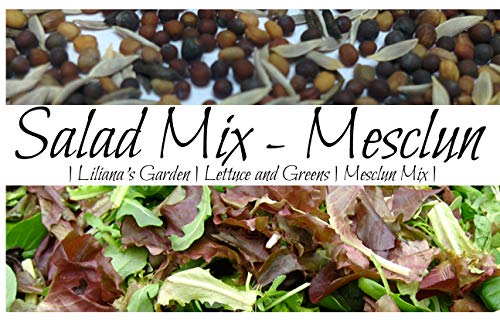
Yields and average of 180 salad leaf plants including varieties of arugula, endive, mustard greens, and more. Yields roughly 32 lbs of mature greens after just a full growing season, 40 days for baby greens.

Spring Planting
Spring planting typically occurs from mid-March to early June, depending on your climate zone. Lettuce thrives in cool temperatures, ideally between 60°F and 70°F.
- Select Varieties: Opt for fast-growing varieties like Leaf Lettuce and Butterhead for early spring.
- Prepare Soil: Ensure your soil is well-drained and enriched with compost or organic matter.
- Sow Seeds: Sow seeds directly into the garden or start them indoors for a head start.
- Water Consistently: Keep the soil moist but not waterlogged to encourage strong growth.
Spring planting allows for multiple harvests as you can plant successive crops every few weeks.
Fall Planting
Fall planting typically happens between late July and early September, again depending on your local climate. Planting in the fall allows you to take advantage of the cooler temperatures as summer fades.
- Choose the Right Time: Aim to plant at least 6 weeks before your expected first frost date.
- Use Hardy Varieties: Consider varieties noted for cold resistance, like Romaine or Winter Lettuce.
- Provide Protection: Use row covers or cold frames to protect your crops from frost.
- Harvest Before Frost: Plan to harvest before the temperatures dip too low, usually when daytime temperatures stay consistently below 50°F.
Fall planting can yield fresh greens well into winter, offering a delightful harvest during cooler months.
Factors Affecting Planting Time
Planting lettuce at the right time ensures a healthy crop. Several factors play a role in determining when to sow your seeds.
Recommended Products

Easy-to-read green, yellow, and red tick marks for easy monitoring

PRECISE SOIL TEMPERATURE READINGS: Measures soil temperatures from 20 degrees F to 180 degrees F (0 degrees C to 80 degrees C) with a large, easy-to-read analog dial face - no batteries or digital screens needed for reliable results every time
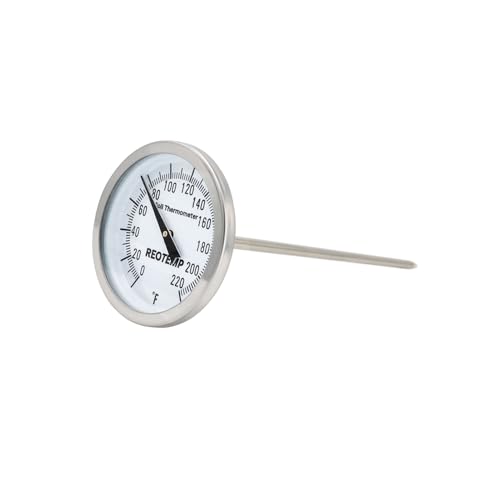
Corrosion Resistant 304 Stainless Steel Case, Bezel and 5" Stem
Climate and Weather
Climate influences growth patterns significantly. Mild temperatures, ideally between 60°F and 70°F, suit lettuce well. You might want to check your local weather patterns before planting. For instance, if a heatwave is expected, delaying planting may prevent bolting. Also, consider seasonal changes. Spring and fall usually provide the right conditions, while summer may heat things up too much for lettuce varieties.
Soil Temperature
Soil temperature is crucial for seed germination. Ideally, aim for soil temperatures between 45°F and 75°F for optimal growth. You can use a soil thermometer to check the temperature accurately. If the soil’s too cold, lettuce won’t sprout well. Conversely, if it gets too hot, seedlings may struggle. For example, waiting until late spring to plant can provide the warm soil needed for better germination rates.
Tips for Successful Lettuce Planting
Planting lettuce successfully involves careful preparation, consistent care, and attention to climate conditions. Follow these tips to ensure a thriving crop.
Recommended Products


Plant insecticide to protect your roses and edibles from listed damaging pests

Soil Preparation
Prepare well-drained soil for optimal growth.
- Test pH Level: Aim for a pH between 6.0 and 7.0. This range supports nutrient availability.
- Enrich Soil: Mix in compost to improve fertility and drainage. Incorporating organic matter boosts microbial activity and enhances nutrient uptake.
- Ensure Drainage: Break up compacted soil. This practice allows roots to penetrate easily and prevents waterlogging.
Watering and Maintenance
Water lettuce consistently to maintain healthy growth.
- Moisture Management: Keep the soil consistently moist but not soggy. Lettuce thrives with about 1 inch of water per week, either from rainfall or irrigation.
- Mulch Around Plants: Use organic mulch to retain soil moisture and suppress weeds. This method also helps regulate soil temperature.
- Monitor for Pests: Regularly check for pests like aphids and slugs. Employ organic pest control methods, such as insecticidal soap or hand-picking, to protect your crop.
By following these steps, you’ll create a favorable environment for your lettuce plants, leading to a bountiful harvest.
Conclusion
Timing is key when it comes to planting lettuce. By understanding the right seasons and conditions, you can enjoy a fresh and abundant harvest. Whether you choose to plant in spring or fall, remember to pay attention to temperature and soil conditions.
With a little preparation and care, your garden can yield delicious greens that enhance your meals. So grab your seeds and get ready to nurture those plants. Happy gardening!
Frequently Asked Questions
When is the best time to plant lettuce?
The best time to plant lettuce is in early spring (mid-March to early June) or late summer to early fall (late July to early September). Spring planting benefits from cooler temperatures, while fall planting allows you to take advantage of the mild weather before winter.
What types of lettuce should I plant?
Popular types of lettuce include Head Lettuce, Leaf Lettuce, and Romaine Lettuce. Leaf Lettuce and Butterhead varieties are great for spring due to their fast growth, while Romaine and Winter Lettuce are recommended for fall planting.
What are the ideal growing conditions for lettuce?
Lettuce thrives in temperatures between 60°F and 70°F, with well-drained, nutrient-rich soil. Maintaining consistent moisture is essential, as is selecting a soil pH of 6.0 to 7.0 for optimal growth.
How can I prevent lettuce from bolting?
To prevent bolting, choose the right planting time according to your local climate. Avoid planting during heatwaves and ensure optimal soil temperatures for germination, ideally between 45°F and 75°F. Providing shade during hot days can also help.
Should I start lettuce seeds indoors or sow them directly?
You can either start lettuce seeds indoors or sow them directly into the garden. Starting seeds indoors allows for an earlier start, while direct sowing works well during optimal weather. Choose based on your preference and local conditions.
How often should I water my lettuce plants?
Lettuce requires consistent moisture to thrive. Water the plants regularly, aiming to keep the soil consistently moist but not soggy. Using organic mulch can help retain moisture and suppress weeds.
What pests should I watch out for when growing lettuce?
Common pests include aphids and slugs. Regularly inspect your lettuce plants for signs of infestation. Implementing organic methods, such as using insecticidal soap or handpicking, can be effective for controlling these pests.
How can I prepare my soil for lettuce planting?
Prepare your soil by testing the pH (aim for 6.0 to 7.0), enriching it with compost, and ensuring proper drainage. Loosen the soil and mix in organic matter to improve its structure and nutrient content for lettuce growth.
