

Have you ever planted romaine lettuce only to watch it grow tall and leafy without forming those perfect heads you were hoping for? You’re not alone. Many gardeners face this challenge, and it can be frustrating when you want that crisp, fresh lettuce for your salads.
Key Takeaways
- Understanding Romaine: Romaine lettuce thrives in cool weather and is known for its crunchy texture and deep green color, making it a popular choice in salads.
- Ideal Growth Conditions: Optimal growth occurs at temperatures between 60°F and 70°F, with at least six hours of sunlight per day and well-drained, fertile soil with a pH of 6.0 to 7.0.
- Soil Preparation and Nutrients: Use loamy soil rich in organic matter, and apply a balanced fertilizer (10-10-10) along with compost to enhance nutrient content.
- Effective Planting Techniques: Space plants 12 to 18 inches apart and plant seeds at a depth of ¼ to ½ inch. Thin seedlings early to prevent overcrowding.
- Proper Care and Maintenance: Water consistently (1 to 2 inches weekly) and maintain a fertilization schedule every 4 to 6 weeks for optimal head development.
- Timely Harvesting: Harvest heads when they are firm and tightly packed, before flowering occurs, to enjoy the best flavor and texture in your dishes.
Understanding Romaine Lettuce
Romaine lettuce is a popular and nutritious leafy green, known for its crisp texture and robust flavor. Understanding its characteristics and ideal growing conditions is essential for achieving dense, well-formed heads.
Characteristics of Romaine Lettuce
Romaine lettuce presents several defining traits:
- Leaf Shape: Leaves are long, upright, and have a firm, ribbed structure.
- Color: The outer leaves display deep green hues, while the inner leaves are lighter and tender.
- Texture: Provides a crunchy texture, making it ideal for salads and sandwiches.
- Nutritional Value: Rich in vitamins A, C, and K, along with dietary fiber.
These characteristics contribute to its appeal in culinary uses, but they also influence gardening practices.
Ideal Growing Conditions
Romaine lettuce thrives under specific conditions:
- Temperature: Grows best in cool weather, ideally between 60°F and 70°F (15°C to 21°C). Avoiding high temperatures prevents bolting.
- Sunlight: Requires full sun for at least six hours daily, ensuring robust growth.
- Soil: Prefers well-drained, fertile soil with a pH level of 6.0 to 7.0. Adding compost improves soil quality.
- Watering: Needs consistent moisture without waterlogging. Aim for 1 to 2 inches of water weekly, adjusting based on rainfall.
Providing these conditions sets the foundation for healthy growth and enhances the likelihood of producing well-formed heads of romaine lettuce.
Preparing Your Soil
Proper soil preparation plays a crucial role in growing romaine lettuce that forms heads. Follow these steps to create an optimal growing environment.
Recommended Products

Kindly NOTE: This soil tester can not be applied to test pH value of any other liquid. If the soil is too dry the indicator will not move, and water it before testing.

Accurate Soil pH Testing: Dewildetradingco Soil pH Test Strips offer measurements of soil pH levels (pH 3.5-9). As an essential tool for every gardener and grower, these test strips help determine the optimal pH for various plants, such as outdoor plants, indoor plants, gardens, grass lawns, fruit trees, flowers, vegetables, and forest shrubs.

KNOW BEFORE YOU GROW | Grow the healthiest, sustainable lawn and garden with the most accurate and easy to use professional soil test kit on the market
Soil Type and pH
Select well-drained, fertile soil for your romaine lettuce. Loamy soil, rich in organic matter, promotes healthy growth. Test the soil pH, aiming for a range of 6.0 to 6.8. This level supports nutrient availability. Adjust pH levels if necessary by adding lime to raise pH or sulfur to lower it.
Nutrient Requirements
Provide essential nutrients to support lettuce development. Incorporate a balanced fertilizer with a ratio like 10-10-10. This mix supplies nitrogen, phosphorus, and potassium. Apply about 2 to 3 pounds per 100 square feet. In addition, enrich the soil with compost or well-rotted manure. This organic matter improves soil structure and enhances nutrient content. Regular monitoring ensures the plants receive what they need for healthy head formation.
Planting Techniques
Choosing effective planting techniques plays a significant role in achieving well-formed heads of romaine lettuce. Implementing the right methods ensures healthy growth and optimal harvest.
Ideal Spacing and Depth
Spacing and planting depth directly influence lettuce head development.
- Space Plants: Allow 12 to 18 inches between each plant. This distance promotes adequate airflow and reduces competition for nutrients.
- Sow Seeds: Plant seeds at a depth of ¼ to ½ inch. This depth facilitates consistent germination while preventing flooding or drying out.
- Thin Seedlings: When seedlings reach about 2 inches tall, thin them to maintain proper spacing. Early thinning prevents overcrowding, which can weaken growth.
Timing for Planting
Timing impacts head formation and overall lettuce health.
- Early Spring Planting: For optimal results, plant seeds 2 to 4 weeks before the last expected frost date. This timing capitalizes on cool temperatures, ideal for romaine lettuce.
- Fall Planting: If desired, a second planting can occur in late summer for a fall harvest. This allows the lettuce to mature in cooler weather, preventing bolting.
- Monitor Weather: Keep an eye on temperature fluctuations. Aim for daytime temperatures ranging from 60°F to 70°F for optimal head formation.
Applying these techniques will enhance your ability to grow healthy, crisp romaine lettuce heads.
Care and Maintenance
Proper care and maintenance is essential for romaine lettuce to develop heads. Focus on consistent watering and an effective fertilization schedule to encourage healthy growth.
Recommended Products
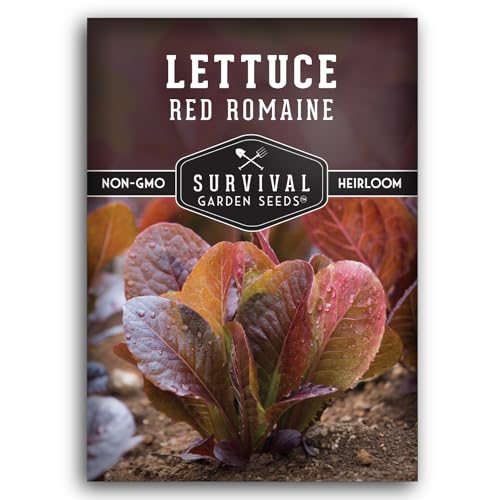
RED ROMAINE SEEDS FOR PLANTING – Striking lettuce has burgundy-to-ruby red leaves with crisp green hearts create a bold contrast in the garden and add vibrant color and flavor to Caesar salad and other dishes

White hearts, leaves have crispy, sweet flavor

Complete Lettuce Garden Starter Kit Indoor – 5 heirloom salad and green seed packets, 8 biodegradable soil disks, 8 plant markers, and 8 starter pots. Romaine, Spinach, Arugula, Kale and Buttercrunch lettuce heirloom seeds are the star of the set!
Watering Practices
Watering methods significantly influence the development of romaine lettuce heads. Ensure even moisture in the soil, as inconsistent watering can lead to stress and bolting.
- Water plants deeply 1 to 2 times per week, aiming for 1 to 1.5 inches of water each time.
- Adjust frequency based on weather; increase watering during hot spells and reduce it during rainy periods.
- Use mulch around plants to retain soil moisture and regulate temperature.
Fertilization Schedule
Establishing a solid fertilization schedule enhances nutrient availability, promoting head formation in romaine lettuce.
- Apply a balanced fertilizer at planting time, using a ratio like 10-10-10.
- Side-dress with additional fertilizer every 4 to 6 weeks during the growing season.
- Use organic options, such as compost or well-rotted manure, to provide supplemental nutrients.
By following these watering and fertilization guidelines, you can significantly improve your chances of achieving perfectly formed romaine lettuce heads.
Harvesting Romaine Lettuce
Harvesting romaine lettuce at the right time ensures the best flavor and texture. Aim for harvesting when heads have formed but before they start to bolt.
Signs of Heading
Check for firm, tightly packed heads. Leaves should be crisp, and the color deeper green. You’ll notice the outer leaves begin to spread while the inner leaves form a tight bunch. If you see flower stalks emerging, it’s time to harvest to avoid bitterness.
- Use sharp tools: Grab a sharp knife or garden shears for a clean cut.
- Cut the head: Position your cutting tool just above the base of the head. Work gently to avoid damaging surrounding leaves.
- Remove outer leaves: If necessary, strip away any damaged or wilted outer leaves after cutting.
- Handle with care: Place the harvested heads gently into a basket or container to prevent bruising.
By following these steps, you can successfully harvest your romaine lettuce and enjoy fresh, crisp leaves for your salads and sandwiches.
Common Issues and Solutions
Romaine lettuce can encounter several issues that prevent it from heading properly. Identifying these problems and applying the right solutions can help you achieve thriving plants with crisp heads.
Pests and Diseases
Pests and diseases can hinder head formation in romaine lettuce. Common culprits include:
- Aphids: These tiny insects suck sap from the leaves, weakening the plants. Control them by spraying with insecticidal soap or neem oil.
- Leaf Miners: The larvae of these flies create tunnels in the leaves. Remove affected leaves promptly and use row covers to prevent future infestations.
- Downy Mildew: This fungal disease appears as yellow patches on leaves and thrives in humid conditions. Improve air circulation and apply fungicides to manage outbreaks.
Regularly inspect your plants for signs of pests or diseases and take action immediately to ensure healthy growth.
Environmental Factors
Environmental factors significantly influence the ability of romaine lettuce to head. Key elements include:
- Temperature: Romaine prefers cool temperatures between 60°F and 70°F. When temperatures exceed 75°F, the plants may bolt instead of forming heads.
- Sunlight: Full sun exposure is essential, but intense heat can stress the plants. Provide partial shade during peak heat to maintain optimal growing conditions.
- Soil Moisture: Inconsistent watering can lead to stress. Water deeply and consistently, ensuring the soil remains moist but well-drained.
Adjusting these environmental factors can enhance the chances of successful head formation in your romaine lettuce.
Conclusion
Getting romaine lettuce to head isn’t just about planting seeds and hoping for the best. It takes a bit of knowledge and care to create the perfect conditions for those crisp heads you’re after. By focusing on soil health proper spacing and consistent watering you can set your plants up for success.
Keep an eye on pests and diseases too since they can sneak in and disrupt your plans. With a little patience and attention you’ll be able to enjoy the fruits of your labor in no time. Fresh romaine lettuce is just around the corner so get ready to savor those delicious salads and sandwiches!
Frequently Asked Questions
What is romaine lettuce?
Romaine lettuce is a leafy green vegetable known for its long, upright leaves, deep green color, and crunchy texture. It’s popularly used in salads and sandwiches and offers several nutritional benefits, including vitamins A and K.
What are the ideal growing conditions for romaine lettuce?
Romaine lettuce thrives in cool temperatures, ideally between 60°F and 70°F, with full sun exposure and consistently moist, well-drained fertile soil. Proper conditions promote healthy growth and head formation.
How should I prepare the soil for romaine lettuce?
Choose well-drained, fertile loamy soil rich in organic matter. Test the pH, aiming for 6.0 to 6.8. Incorporate a balanced fertilizer (like 10-10-10) and add compost or well-rotted manure to enhance nutrient availability.
What are the recommended planting techniques for romaine lettuce?
Space plants 12 to 18 inches apart to allow for airflow and nutrient access. Sow seeds ¼ to ½ inch deep, and thin seedlings as needed to avoid overcrowding, ensuring each plant has enough room to grow.
When should I plant romaine lettuce?
Plant seeds 2 to 4 weeks before the last expected frost in early spring or in late summer for a fall harvest. This timing takes advantage of cooler temperatures, which help prevent bolting.
How often should I water romaine lettuce?
Water deeply 1 to 2 times a week, adjusting based on weather conditions. Consistent soil moisture is essential for healthy growth, and using mulch can help retain moisture and regulate temperature.
What fertilization schedule should I follow for romaine lettuce?
Apply a balanced fertilizer at planting and side-dress every 4 to 6 weeks during the growing season. This schedule supports nutrient availability for optimal growth and head formation.
How do I know when to harvest romaine lettuce?
Look for firm, tightly packed heads with crisp leaves and a deep green color. Harvest before the plants bolt for the best flavor and texture, using sharp tools to make clean cuts at the base.
What common issues prevent romaine lettuce from heading properly?
Pests like aphids, diseases such as downy mildew, and environmental factors can affect head formation. Regular monitoring and prompt action are crucial for managing these issues to ensure successful growth.
How can I manage pests and diseases in romaine lettuce?
Utilize insecticidal soap or neem oil for pest control and improve air circulation to prevent fungal outbreaks. Make adjustments to environmental factors as needed to keep your romaine healthy.
