

Have you ever wanted to grow your own fresh salad greens but felt overwhelmed by the options? You’re not alone. Many people want to start a garden but aren’t sure where to begin, especially when it comes to leafy veggies like lettuce.
Key Takeaways
- Ideal Conditions: Lettuce thrives in cool temperatures between 60°F and 70°F, making early spring or late summer the best planting times to avoid heat stress.
- Soil Importance: Utilize well-draining, loamy soil enriched with organic matter. Aim for a pH range of 6.0 to 7.0 and maintain consistent moisture for optimal growth.
- Easiest Varieties: For beginners, Butterhead, Romaine, and Leaf lettuce are excellent choices due to their manageable growing conditions and relatively quick maturity times.
- Seed and Planting Tips: Choose high-quality seeds and prepare the soil well. Follow proper planting depth and spacing instructions, and utilize mulch to retain moisture and suppress weeds.
- Watering and Care: Consistent watering is crucial—aim to keep soil moist but not soggy. Regularly check moisture levels and adjust watering frequency based on weather conditions.
- Pest Management: Monitor for common pests like aphids and slugs, utilizing natural deterrents like beneficial insects and organic sprays to protect your lettuce while ensuring healthy growth.
Factors to Consider When Growing Lettuce
When growing lettuce, certain factors impact success. Understanding these elements helps ensure a healthy harvest.
Recommended Products

Kindly NOTE: This soil tester can not be applied to test pH value of any other liquid. If the soil is too dry the indicator will not move, and water it before testing.

3-in-1 Soil Tester: This meter can test soil moisture, light and pH value; You can switch modes with one button; It makes gardening and plantng more efficient

Accurate Soil Moisture Detection: The XLUX Soil Moisture Meter can tell you if the soil deep inside your pot or garden is dry, moist or wet; whereas your eyes and fingers can only determine the moisture level of the soil surface. The probe is 5.5 inches (14 cm) longer than regular styles, allowing it to measure the soil moisture at the bottom of larger and deeper flower pots.
Climate Conditions
Lettuce thrives in cool weather. Ideal temperatures range from 60°F to 70°F. If temperatures exceed 75°F, lettuce may bolt or become bitter. Choose varieties suited to your climate. For instance, Butterhead works well in cooler zones, while Romaine can tolerate slightly warmer conditions. Consider planting during early spring or late summer to avoid extreme heat.
Soil Requirements
Soil quality affects lettuce growth significantly. Aim for well-draining, loamy soil rich in organic matter. pH levels should range from 6.0 to 7.0. Before planting, amend the soil with compost or well-rotted manure to improve nutrients. Maintain consistent moisture as lettuce prefers evenly damp soil. Avoid soggy conditions that may cause root rot.
Popular Varieties of Lettuce
Lettuce comes in several popular varieties, each offering unique flavors and textures. Here’s a look at three of the easiest types to grow.
Recommended Products
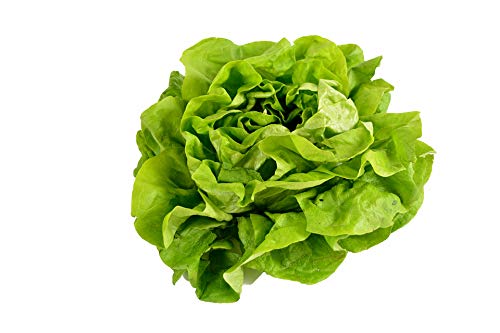
This lettuce is well known for its sweet flavor. Best if harvested in the morning.

YEAR-ROUND GARDEN FAVORITE – Dependable butterhead lettuce that thrives in cool or moderate weather for consistent harvests from spring through fall, even under cover in winter

Exceptional Germination Rates - Achieve a lush garden effortlessly with our Butter Crunch Lettuce seeds, boasting high germination rate. Ideal for both beginners and experienced gardeners, ensuring a successful harvest every time.
Butterhead Lettuce
Butterhead lettuce features a soft, buttery texture with a mild flavor. This variety forms loose, round heads that are quick to mature, typically within 55 to 70 days. Butterhead thrives in cooler temperatures, making it perfect for early spring or fall gardens. It requires consistent moisture to ensure tender leaves. When harvesting, pick outer leaves to encourage continued growth.
Romaine Lettuce
Romaine lettuce, known for its crisp texture and slightly bitter taste, is a favorite in salads and sandwiches. This variety takes around 70 to 80 days to reach maturity, forming tall, upright heads. Romaine grows well in cooler weather but tolerates heat better than other types. For optimal growth, ensure your soil is rich in nitrogen. Harvest when the heads are firm, cutting them at the base to continue producing side leaves.
Leaf Lettuce
Leaf lettuce, also called loose-leaf lettuce, includes various types with broad, frilled leaves. This variety matures quickly, often ready in 30 to 50 days. You can harvest leaf lettuce in two ways: cut the outer leaves or pull the entire plant. Leaf lettuce grows well in full sun to partial shade and prefers well-draining, nutrient-rich soil. Regular watering keeps leaves tender and minimizes bitterness.
These popular lettuce varieties are perfect for beginners. With proper care and attention, you can enjoy fresh, home-grown lettuce in no time.
Growing Tips for Beginners
Starting a lettuce garden can be an enjoyable and rewarding experience. Follow these tips to ensure a thriving crop.
Recommended Products

4 Popular Heirloom Lettuce Varieties: Includes Red Romaine, Bibb Butterhead, Black Seeded Simpson, and Green Ice lettuce seeds to grow crisp, tender, and colorful salad greens with balanced flavor, texture, and visual appeal.

🥬 Winter Density Lettuce: 65 days until Maturity. Latin Name: Lactuca sativa. Open Pollinated. The plant produces heavy yields of dark green romaine lettuce. Leaves are tightly folded and have a delicious sweet flavor. Lettuce retains its crisp sweetness best when harvested in the morning.

COMPLETE VARIETY PACK: Eight popular lettuce seeds including Buttercrunch, Romaine, Iceberg, Bibb, Red Oakleaf, Prizehead, plus Kale and Spinach; Perfect lettuce seeds for planting outdoors or in hydroponic systems
Seed Selection
Select high-quality seeds for better germination rates. Look for varieties like Butterhead, Romaine, or Leaf lettuce, as they’re beginner-friendly. Check local seed catalogs or garden centers for specific recommendations suited to your climate. Choose organic seeds when possible, as they promote healthier growth and the environment.
Planting Techniques
Plant seeds in well-prepared soil, following these steps:
- Prepare Soil: Loosen the soil to a depth of at least 12 inches. Mix in organic matter, like compost, to improve soil fertility and drainage.
- Sow Seeds: Plant seeds according to package instructions, usually about 1/4 to 1/2 inch deep. Space them according to the recommended distance for each variety.
- Water: Gently water the planted area to keep the soil moist but not soggy. Use a fine spray to avoid displacing seeds.
- Thin Seedlings: Once seedlings emerge and develop true leaves, thin them out. Aim for 6 to 12 inches apart for optimal growth.
- Mulch: Add a layer of mulch to retain moisture and suppress weeds. Organic materials like straw or shredded leaves work well.
By following these practical tips, you’ll create a conducive environment for your lettuce and enjoy fresh greens from your garden.
Maintenance and Care
Caring for your lettuce involves specific tasks that ensure healthy growth and a bountiful harvest. Maintaining consistent practices on watering and pest control keeps your plants flourishing.
Watering Needs
Watering lettuce requires consistency to promote optimal growth. Aim to keep the soil consistently moist but not waterlogged. Water every 2 to 3 days, adjusting based on rainfall and temperature. If the weather is particularly hot, you might need to water daily. Use a drip irrigation system or a soaker hose for even moisture distribution. Check the soil’s moisture level by feeling it about an inch deep; it should feel damp. For best results, water early in the morning to minimize evaporation and fungal issues.
Pest Control
Controlling pests is essential for a healthy lettuce crop. Regularly inspect leaves for common pests like aphids, snails, and slugs. Handpick larger pests and remove them. For a natural deterrent, introduce beneficial insects like ladybugs, which eat aphids. Apply insecticidal soap or neem oil spray to manage infestations effectively. If pest pressure increases, use row covers to physically block pests while still allowing sunlight and water to reach your plants. Regular maintenance and vigilance can prevent significant damage and ensure your lettuce remains healthy.
Conclusion
Growing your own lettuce can be a fun and rewarding experience. By choosing the right varieties and following simple care tips you can enjoy fresh greens right from your garden. Whether you opt for the tender Butterhead Romaine with its crisp bite or quick-maturing Leaf lettuce there’s a perfect choice for every gardener.
Remember to keep an eye on the weather and maintain consistent moisture to help your plants thrive. With a little patience and attention you’ll soon be harvesting delicious lettuce that elevates your salads and meals. So grab those seeds and get started on your lettuce-growing journey—you won’t regret it!
Frequently Asked Questions
What are the best conditions for growing lettuce?
Lettuce thrives in cool weather, ideally between 60°F and 70°F. It requires well-draining, loamy soil rich in organic matter and prefers a soil pH level between 6.0 and 7.0. Consistent moisture is also key to a healthy harvest.
What types of lettuce are easy to grow for beginners?
Beginner-friendly lettuce varieties include Butterhead, which is soft and mild; Romaine, known for its crisp texture; and Leaf lettuce, which matures quickly. Each has its own growing time and characteristics, making them suitable for novice gardeners.
How often should I water my lettuce?
Lettuce needs consistent moisture. Water every 2 to 3 days, ensuring the soil remains moist but not waterlogged. A drip irrigation system can help maintain even moisture levels for optimal growth.
How do I prepare the soil for planting lettuce?
To prepare the soil for lettuce, loosen it and mix in organic matter like compost. Ensure the soil is well-draining and has a pH level between 6.0 and 7.0 to foster healthy growth of your lettuce plants.
What pests should I watch for when growing lettuce?
Common pests include aphids, slugs, and caterpillars. Regular inspections are essential. Handpick larger pests and use natural deterrents like beneficial insects or insecticidal soap to manage infestations and protect your plants.
