

Wondering when to plant beets in your garden? Picture this: you’re eager to grow your own vibrant, nutrient-packed beets, but unsure of the perfect timing. Don’t worry, you’re not alone in this dilemma.
Understanding Beet Planting Seasons
When it comes to beet planting, it’s essential to understand the different seasons for optimal growth and harvest. Here are some key points to keep in mind:
- Spring Planting: Ideal for beets due to cooler weather and moist soil, aiding in germination.
- Summer Planting: Can be trickier as extreme heat may cause beets to bolt or turn bitter.
- Fall Planting: Great for those looking to extend the harvest as beets thrive in cooler temperatures.
Remember to check your local frost dates to plan your planting accordingly.
Main Takeaways:
- Plant beets when the soil temperature is around 50-85°F for best results.
- Beets prefer well-drained soil with a pH between 6.0-7.0.
- Consider using a soil thermometer to gauge the right planting time.
By understanding the different planting seasons, you can maximize your beet harvest throughout the year.
Recommended Products
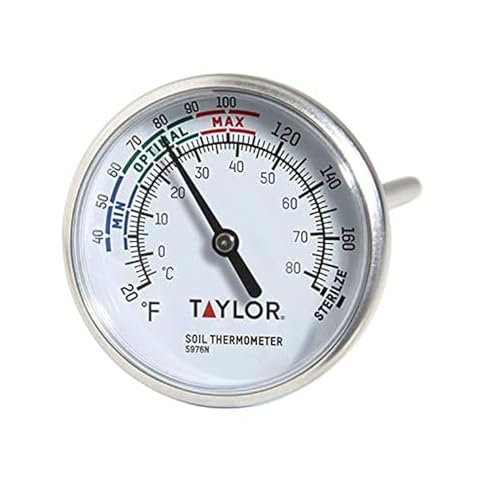
Measure soil temperature 2 inches below the surface
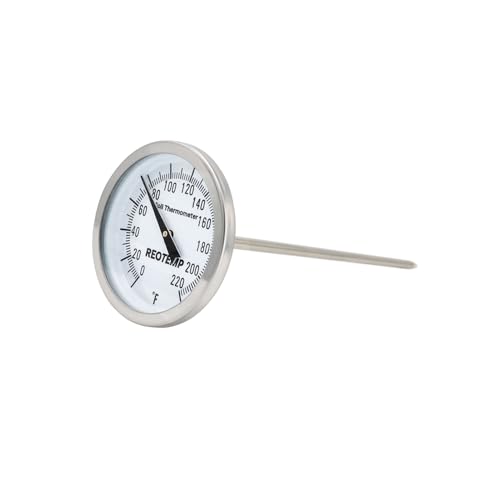
Corrosion Resistant 304 Stainless Steel Case, Bezel and 5" Stem

Monitor soil temperature for healthy seeding, planting and gardening
Factors to Consider Before Planting Beets
Before diving into planting your beets, it’s crucial to consider a few key factors to ensure a successful growth and harvest. Here’s what you need to keep in mind:
- Soil Temperature: Plant beets when the soil temperature ranges between 50-85°F for optimal germination.
- Soil pH: Ensure your soil pH is between 6.0-7.0 to provide a suitable environment for beet growth.
- Drainage: Beets thrive in well-drained soil, so make sure your planting area has good drainage to prevent waterlogging.
- Sunlight: Choose a sunny spot in your garden that receives at least 6-8 hours of sunlight daily for healthy beet development.
- Spacing: Plant beet seeds 1-2 inches apart and thin them to 3-4 inches apart once they sprout to allow proper growth.
- Watering: Keep the soil consistently moist but not waterlogged to support beet germination and growth.
By considering these factors before planting your beets, you can set the stage for a bountiful harvest. Keep these points in mind as you prepare your garden for your beet seeds.
Best Time of the Year to Plant Beets
It’s essential to understand the best time of year to plant beets for a successful harvest.
Spring and Fall Planting
- Spring: Plant beets 2-4 weeks before the last expected frost. They thrive in cool temperatures.
- Fall: Beets can also be planted 8-10 weeks before the first frost date.
Temperature Considerations
- Beets prefer cool weather for germination and growth.
- The ideal soil temperature for planting beets ranges from 50-85°F.
Daylight Needs
- Beets need 6-8 hours of sunlight daily for optimal growth.
- Ensure they are in an area with good sunlight exposure.
Avoiding Extreme Heat
- Plant beets earlier in cooler temperatures to prevent bolting.
- High temperatures can cause beets to develop a bitter taste and affect their growth.
Sowing Beet Seeds
- Directly sow beet seeds in the ground as they don’t transplant well.
- Sow seeds 1-2 inches apart and ½ inch deep.
- Keep soil consistently moist for germination.
- Beets are ready for harvest in about 50-70 days after planting.
- Harvest when roots are about 1-3 inches in diameter for the best taste.
| Soil Temperature | Ideal Range |
|---|---|
| Soil pH | 6.0-7.0 |
| Sunlight Exposure | 6-8 hours daily |
Planting Beets: Step-by-Step Guide
When planting beets, it’s important to follow a few key steps to ensure successful growth. Here’s a simple guide to help you achieve the best results:
- Prepare the Soil: Choose a sunny location with well-draining soil. Before planting, loosen the soil at least a foot deep and incorporate organic matter for nutrients.
- Planting: Sow your beet seeds directly in the soil about 1 inch apart and 1/2 inch deep. Ensure they are in rows about 12 inches apart.
- Watering: Keep the soil evenly moist but not waterlogged. Beets need about 1-2 inches of water per week.
- Thinning: Once the seedlings are a few inches tall, thin them to about 3-4 inches apart to give them room to grow.
- Weeding: Regularly weed your beet bed to prevent competition for nutrients and moisture.
- Fertilizing: If your soil lacks nutrients, consider fertilizing with a balanced fertilizer about 3-4 weeks after planting.
- Harvesting: Beets are typically ready to harvest about 50-70 days after planting. Harvest when they reach the desired size, usually around 1-3 inches in diameter.
Tips for Successful Beet Cultivation
When planting beets, it’s essential to keep a few key tips in mind to ensure a successful harvest. Here are some practical pieces of advice to help you cultivate healthy and thriving beet plants:
- Choose the Right Location: Select a sunny spot with well-draining soil to plant your beets. They need at least 6-8 hours of sunlight daily for optimal growth.
- Proper Spacing: When planting beet seeds, ensure they are sown about 1 inch apart and 1/2 inch deep in rows approximately 12-18 inches apart. Adequate spacing allows room for the beets to grow.
- Consistent Watering: Beets require consistent watering to thrive. Keep the soil moist but not waterlogged by watering regularly, especially during dry spells.
- Mulching: Adding a layer of mulch around your beet plants can help retain soil moisture, suppress weeds, and regulate soil temperature.
- Monitoring for Pests: Keep an eye out for common pests like aphids or beetles that can damage beet plants. Address any pest issues promptly to prevent damage to your crop.
- Harvesting: Beets are typically ready to harvest 50-70 days after planting. Once they reach 1-3 inches in diameter, gently pull them out of the ground to enjoy fresh, homegrown beets.
| Key Point | Information |
|---|---|
| Optimal Sunlight | 6-8 hours daily |
| Seed Spacing | 1 inch apart, 1/2 inch deep |
| Row Spacing | 12-18 inches |
| Harvest Time | 50-70 days, 1-3 inches in diameter |
Recommended Products

TOP-RATED NUTRITIONAL HEIRLOOM: Detroit Dark Red is a premium, high-yielding, and stress-resistant beet variety that stands at the pinnacle of root vegetables. This all-season favorite is a mid-early universal cultivar, perfect for consistent home harvests of professional quality.

Vegetable seeds variety pack: Grow 35 varieties of leafy greens, root vegetables, tomatoes, peppers, beans, peas, squash, melons, and more. Includes 16,000+ vegetable seeds for planting outdoors in raised beds, garden rows, or containers.

COMPLETE VEGETABLE GARDEN VARIETY PACK – Grow a thriving home garden with 32 popular vegetable seeds including Bean, Beet, Bell Pepper, Broccoli, Brussels Sprout, Cabbage, Cantaloupe, Carrot, Cauliflower, Celery, Corn, Cucumber, Eggplant, Kale, Lettuce (3 types), Lima Bean, Okra, Onion, Pea, Parsnip, Pumpkin, Radish, Spinach, Sunflower, Swiss Chard, Tomato, Turnip, Watermelon, Zucchini. A diverse mix perfect for fresh meals, backyard gardens, and sustainable growing.
Conclusion
That’s it! You now have all the essential tips for planting beets successfully. Remember to choose a sunny spot, space your seeds correctly, keep them well-watered, use mulch, watch out for pests, and harvest at the right size. With 6-8 hours of sunlight, 1-inch seed spacing, 12-18 inches between rows, and a harvest window of 50-70 days, you’re on your way to growing delicious beets in your own garden. Happy planting!
Frequently Asked Questions
1. What is the importance of sunlight for growing beets?
Sunlight is crucial for beet growth as it aids in photosynthesis, resulting in healthy plant development and root formation.
2. How should I space beet seeds when planting?
Beet seeds should be spaced 1 inch apart and planted half an inch deep in the soil for optimal growth.
3. Why is consistent watering important for beets?
Consistent watering helps maintain soil moisture levels, ensuring proper beet root development and preventing dehydration.
4. How can mulching benefit beet cultivation?
Mulching around beets helps retain soil moisture, suppress weeds, regulate soil temperature, and protect roots from damage.
5. Why is it essential to monitor for pests when growing beets?
Monitoring for pests is crucial to prevent infestations that can damage beet plants, leading to stunted growth and poor crop yields.
6. When should beets be harvested for the best results?
Beets should be harvested when they reach 1-3 inches in diameter, typically around 50-70 days after planting, for optimal taste and texture.
