

Wondering when to plant beets in your garden? Picture this: you eagerly prepare your garden beds, ready to sow those beet seeds, only to realize you’re not quite sure if it’s the right time. Don’t worry, we’ve got you covered! In this article, we’ll guide you on the best time to plant beets so you can enjoy a bountiful harvest.
Imagine the satisfaction of harvesting fresh, vibrant beets straight from your own garden. By knowing the ideal planting time, you’ll set yourself up for success and ensure those beets thrive in your garden. Stay tuned to discover the secrets to growing delicious beets in your backyard.
Benefits of Growing Beets in Your Garden
Are you wondering about the perks of cultivating beets in your garden? Here are some reasons why incorporating beets can enhance your gardening experience:
- Nutritional Powerhouse: Beets are packed with essential vitamins and minerals. They offer fiber, folate, vitamin C, and potassium, contributing to a healthy diet.
- Versatile: Beets are versatile in the kitchen. You can enjoy them raw in salads, cooked in soups, roasted as a side dish, or even blended into smoothies.
- Low Maintenance: Beets are relatively low-maintenance plants. They thrive in cool weather and are resistant to pests, making them a suitable choice for beginner gardeners.
- Fast Growth: Beets are quick growers, allowing you to harvest them within 45-70 days after planting, providing a satisfying reward for your efforts.
- Economical: Growing beets in your garden can be cost-effective. They are an affordable crop that yields abundantly, offering you a budget-friendly way to enjoy fresh produce.
- Soil Enrichment: Beets are not only nutritious for you but also for your garden. Their roots help loosen soil, making it better aerated for other plants to thrive.
- Colorful Variety: With varieties ranging from traditional red beets to golden and even striped ones, growing beets can add a colorful touch to your garden.
- Sustainable: By growing your own beets, you contribute to a sustainable lifestyle, reducing reliance on store-bought produce and lowering your environmental impact.
- Family Fun: Involving your family in beet cultivation can be a fun and educational experience, fostering a love for gardening and fresh, homegrown vegetables.
Understanding Beets Planting Season
Planting beets at the right time is crucial for a successful harvest. Here’s what you need to know:
- Beets are a cool-season crop: They thrive in cooler temperatures, making early spring and fall ideal for planting.
- Soil temperature matters: Beets do best when the soil temperature is between 50-85°F (10-29°C).
- Frost tolerance: Beets can tolerate light frost, but it’s best to avoid planting them in freezing conditions.
- Germination time: Beets take around 5-14 days to germinate, so consider this when planting.
- Successive plantings: To extend your harvest, consider planting beets every 2-3 weeks.
Recommended Products

PRECISE SOIL TEMPERATURE READINGS: Measures soil temperatures from 20 degrees F to 180 degrees F (0 degrees C to 80 degrees C) with a large, easy-to-read analog dial face - no batteries or digital screens needed for reliable results every time

Easy-to-read green, yellow, and red tick marks for easy monitoring
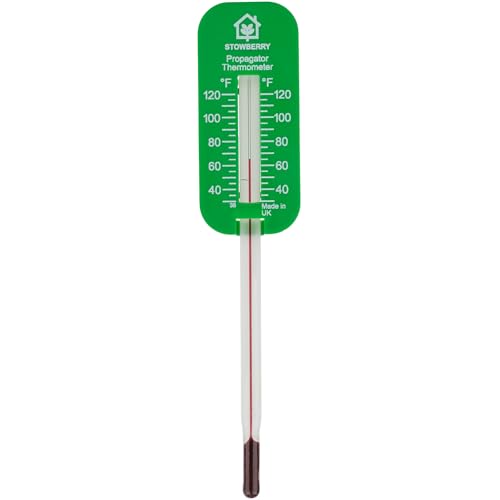
ACCURATE SOIL TEMPERATURE READINGS – Ensure the perfect growing environment for seeds and plants with this greenhouse soil thermometer, designed to give reliable and precise temperature measurements.
Factors to Consider Before Planting Beets
When it comes to planting beets, there are several factors you should take into account to ensure a successful harvest. Here are some key considerations to keep in mind before you start planting:
- Soil Temperature:
- Aim to plant beets when the soil temperature is above 50°F for optimal germination.
- Cooler soil may result in slower germination, so waiting for warmer soil can improve success rates.
- Frost Tolerance:
- Beets are generally frost-tolerant and can withstand light frosts, making them suitable for early spring and fall planting.
- However, heavy frosts can damage young beet plants, so consider protecting them during colder spells.
- Germination Time:
- Beets have a relatively quick germination time of around 5 to 10 days, making them a rewarding crop for impatient gardeners.
- Keep the soil consistently moist during this period to support germination and early growth.
- Successive Plantings:
- To extend your beet harvest throughout the season, consider staggered plantings every 2 to 3 weeks.
- This practice ensures a continuous supply of fresh beets for your kitchen.
- Spacing and Depth:
- Plant beet seeds about 1 inch apart and ½ inch deep in well-draining soil for optimal growth.
- Once the seedlings emerge, thin them to 3 to 4 inches apart to allow room for mature beets to develop.
Recommended Products
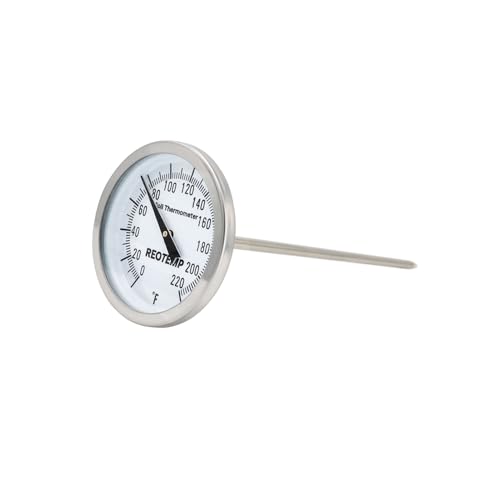
Corrosion Resistant 304 Stainless Steel Case, Bezel and 5" Stem
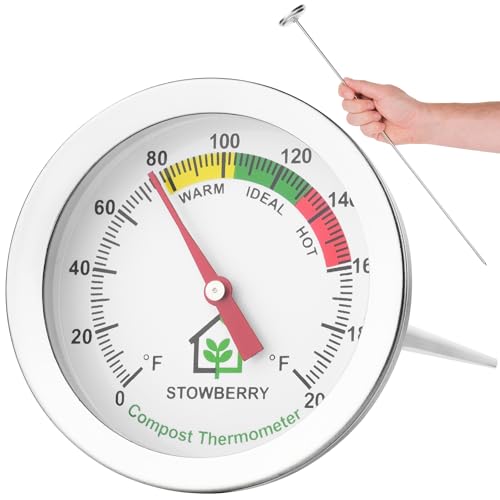
COMPOST THERMOMETER FOR ACCURATE TEMPERATURE MONITORING: Easily track compost temperature levels with this 20 Inch stainless steel probe that reaches deep into piles for precise core readings

MONITOR COMPOST ACTIVITY & SOIL READINESS: This 5-inch stainless steel thermometer is the essential tool for compost piles and garden beds. Measure the core temperature of your compost to gauge decomposition, and test soil warmth for perfect seeding, transplanting, and lawn care timing.
How to Plant Beets Successfully
To ensure a thriving beet harvest, follow these essential steps:
- Prepare the Soil: Choose a well-draining, fertile soil.
- Sow the Seeds: Plant beet seeds directly in the ground about 1/2 inch deep and 1 inch apart.
- Ensure Proper Spacing: Leave 3 inches between rows for ideal growth.
- Water Regularly: Keep the soil moist but not waterlogged.
- Thin Seedlings: Once they reach 2 inches in height, thin the seedlings to 3-4 inches apart.
- Mulch: Use mulch to maintain soil moisture and regulate temperature.
- Fertilize: Apply a balanced fertilizer one month after planting.
Following these steps will help you grow healthy, vibrant beets in your garden.
Recommended Products

NUTRIENT-RICH, NATURAL, AND ORGANIC SOIL: Grow a bountiful garden in your home with the Back to the Roots All-Purpose Natural and Organic Peat-Free 3-in-1 Seed Starting Mix, packed with the nutrients needed for your plants, flowers, and vegetables to thrive

Miracle-Gro Indoor Potting Mix for Seed Starting grows stronger roots for seeding success (vs unfed when used as directed)

CONTAINS: This organic Seed Stating soil mix is a rich blend of sphagnum peat moss & perlite with yucca extract and lime to ensure correct pH.
Conclusion
You now have the knowledge to plant beets successfully in your garden. By following the steps outlined in this article, you can grow vibrant, healthy beets that will soon be ready for harvest. Remember to prepare the soil, sow seeds at the right depth, water adequately, thin seedlings, use mulch, and apply fertilizer. With these tips, you’ll be on your way to enjoying a bountiful beet harvest. Happy planting!
Frequently Asked Questions
1. What is the first step in planting beets?
To plant beets successfully, begin by preparing the soil. Make sure it is well-drained, loose, and rich in organic matter.
2. How deep should beet seeds be planted?
Beet seeds should be planted about half an inch deep in the soil for optimal germination.
3. What is the ideal spacing between beet seeds?
Space beet seeds about 1 to 2 inches apart to allow room for the roots to develop.
4. How often should beets be watered?
Water beets regularly, ensuring the soil remains consistently moist but not waterlogged.
5. Why is thinning seedlings important?
Thinning seedlings helps prevent overcrowding, allowing the remaining plants to grow larger and produce healthier beets.
6. How can mulch benefit beet plants?
Mulch helps retain soil moisture, suppresses weeds, and regulates soil temperature, creating optimal growing conditions for beets.
7. When should fertilizer be applied to beet plants?
Apply fertilizer when beet seedlings are about 4 inches tall to support healthy growth and a bountiful harvest.
